On the Dash:
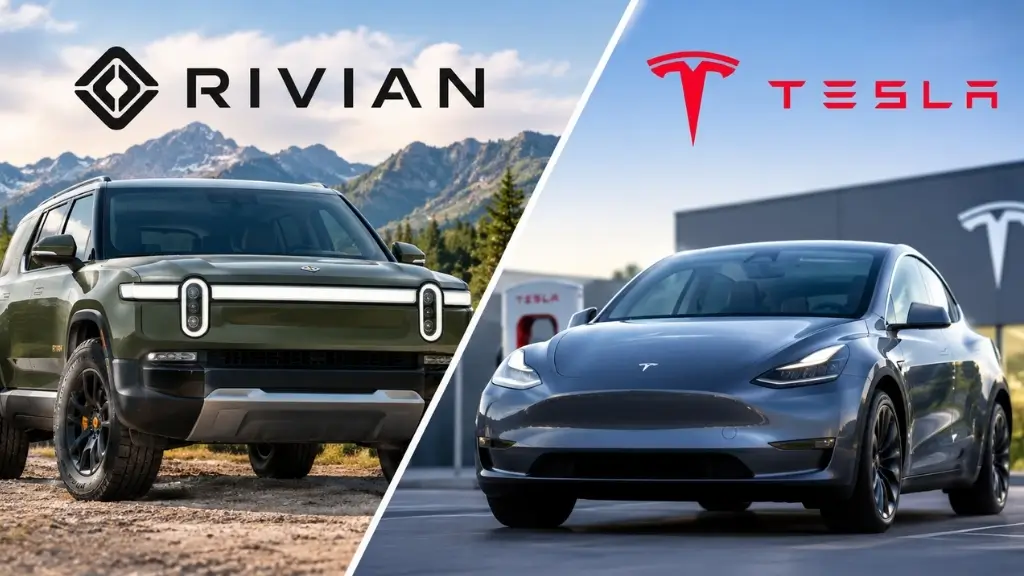
- Rivian delivered 19,248 vehicles in Q3, up 46% year over year and ahead of Wall Street’s 18,000 estimate.
- Rivian reaffirmed its 2026 delivery guidance of 65,000 to 70,000 vehicles, requiring at least 23,193 deliveries in Q4 to reach the low end.
- Tesla delivered 486,532 vehicles globally, down 2%, as the company shifts more attention toward robotaxis, robotics and its upcoming Roadster.
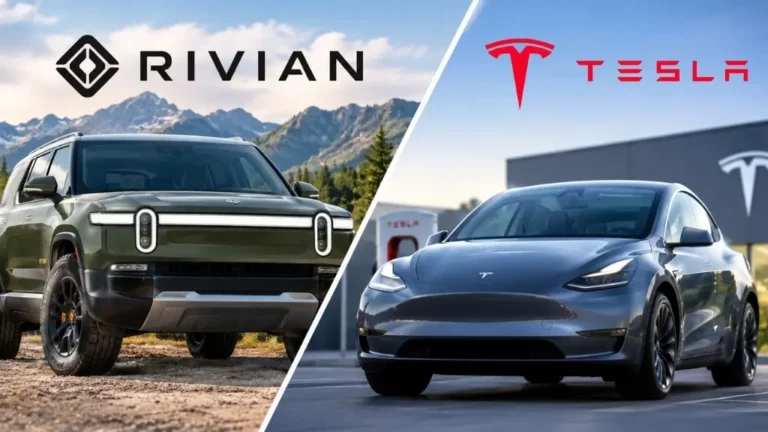
Rivian reported Friday that it delivered 19,248 vehicles from July through September, up 46% from 13,201 a year earlier. The total topped Wall Street’s estimate of 18,000 vehicles, and the EV maker reaffirmed its 2026 delivery guidance of 65,000 to 70,000 vehicles. To reach the low end of that range, Rivian must deliver at least 23,193 vehicles in the fourth quarter, representing 20.5% more than in Q3.
Rivian’s delivery gains occur as the automaker ramps up production of the R2, an entry-level SUV that launched earlier this year. The R2 is designed to be a smaller, more affordable option than the R1, broadening Rivian’s vehicle offerings as the company aims to increase production and deliveries. But it’s important to note that hitting the company’s Q4 target will depend on continuing this production ramp.
Tesla faces EV market pressure
In a separate but related note, Tesla’s sales declined despite results that beat expectations. In Q3, Tesla delivered 486,532 electric vehicles globally, down 2% year over year but still above the FactSet analyst consensus of 461,000 vehicles. This decline reverses two consecutive quarters of sales growth earlier in the year.
During the quarter, the Model Y and Model 3 made up most of Tesla’s vehicle sales. Existing inventory of the discontinued Model S and Model X, together with Cybertruck deliveries, totaled 8,295 vehicles, less than 2% of overall sales. The EV maker’s U.S. sales also fell 16% in the first eight months of the year, compared with a 30% drop across the U.S. EV market. Still, the EV makers remained the country’s largest EV seller in August, accounting for more than half of all EV sales.
Looking ahead, CEO Elon Musk has indicated that Tesla is shifting its focus beyond traditional vehicle sales to technologies such as robotaxis and humanoid robots. In September, Tesla launched its Cybercab robotaxi service in Austin and aims to sell Cybercabs to individuals for $30,000 or less by year-end, although analysts have raised questions about that timeline. Vehicle sales still accounted for 71% of Tesla’s revenue in the first half of the year.
Tesla is also scheduled to demonstrate its new Roadster on October 15, with expectations that the vehicle will start at around $200,000.