On the Dash:
- Toyota will start producing its first EREV in China in spring 2027, targeting 200,000 units that year.
- The EREV gives Toyota a way to compete in China without joining the battery EV price war.
- Roughly 90% of Toyota’s China-built bZ3X parts come from domestic suppliers, including BYD batteries.
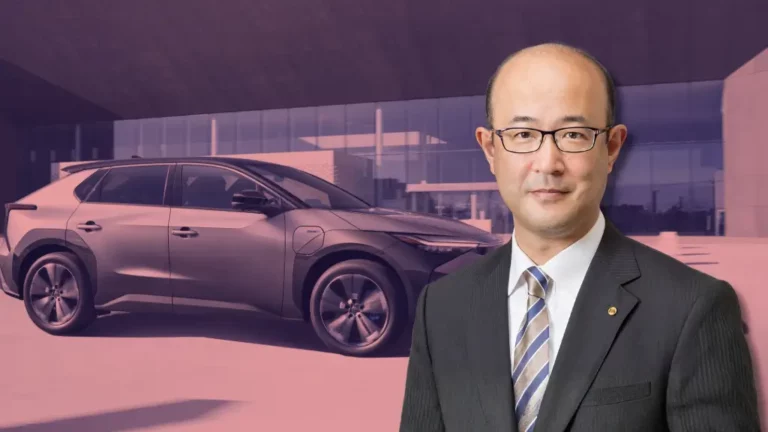
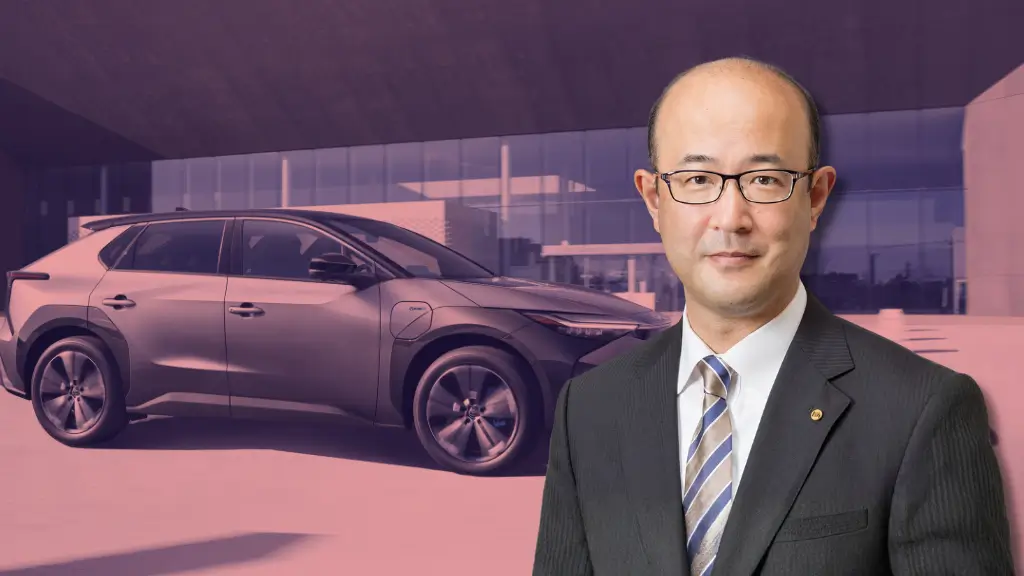
Toyota will begin producing its first extended-range electric vehicle (EREV) in China in spring 2027, joining Ford, Hyundai, Stellantis, Nissan and other automakers racing to build EREVs, the Nikkei Asia reported.
The extended-range EV becomes Toyota’s fifth electrified vehicle type, alongside battery electric vehicles (BEVs), plug-in hybrids, hybrids and fuel-cell electric vehicles. An EREV uses a gas engine to keep the battery charged as it runs low, extending range while relying mostly on electric power to move the vehicle. The battery is smaller than what’s found in a BEV, and the gas engine is smaller than in a PHEV.
EREVs run quieter than a typical plug-in and drive more like a full EV, but they’re less efficient than a pure electric vehicle and require more maintenance than a BEV because of the added gas engine. Toyota is betting on the tradeoff anyway to gain ground in China, the world’s largest EV market.
Toyota plans to build 200,000 EREV units in 2027, with production rising to around 400,000 units in 2028, according to Electrek. The vehicle will be built in China, where Toyota already leans on local suppliers for its electric lineup. The bZ3X, Toyota’s electric SUV built through its GAC Toyota joint venture, starts at 94,800 yuan, or about $14,000, and was the best-selling joint-venture new energy vehicle (NEV) in China through August, Electrek reported. An estimated 90% of the bZ3X’s parts are sourced domestically, including batteries from BYD and autonomous driving software from Momenta.
China’s EV market is dominated by low-cost domestic brands, and Toyota sees the EREV as a way to compete without joining the price war among battery-electric models. Because EREVs can carry more advanced features than a typical BEV, automakers can price them higher.
Toyota sold about 200,000 BEVs and 180,000 PHEVs globally in 2025, per Electrek’s reporting. CBT News previously reported on the broader EREV trend as other manufacturers, including Volkswagen’s Scout brand and Stellantis, moved to bring extended-range models to market to ease consumer range anxiety while avoiding the cost of a full-size EV battery.