
On the Dash:
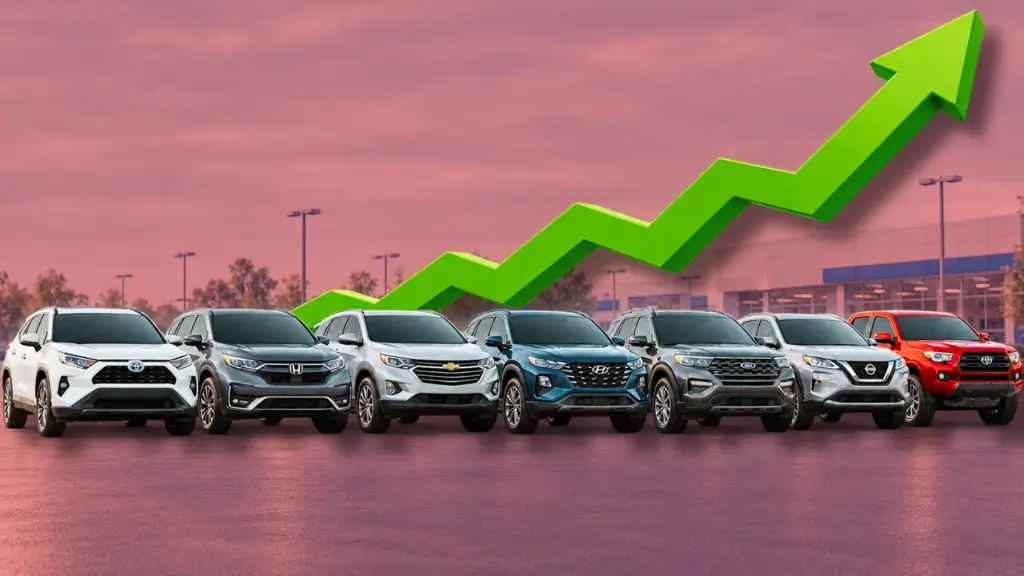
- Total sales pace holds at 16.4 million, but retail sales fall 6.9% year over year, JD Power reports
- Average monthly payment hits a record $812 for August despite falling interest rates
- Hybrid share jumps to 18.2% as EV share drops to 7.2% after tax credit ends
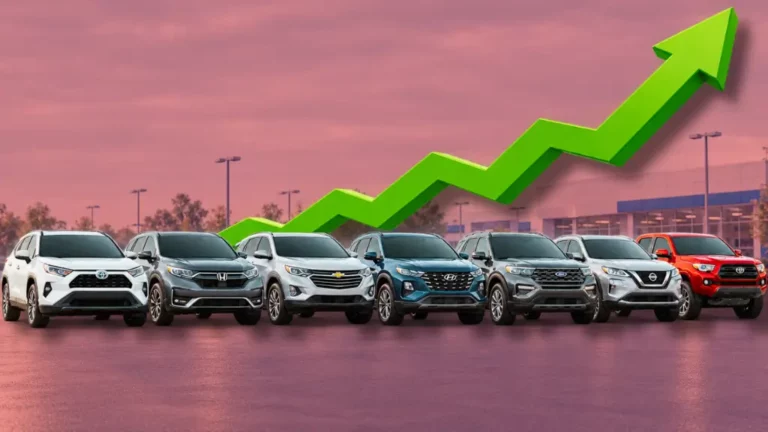
According to a joint forecast from JD Power and GlobalData, new-vehicle sales are on pace for a 16.4 million seasonally adjusted annualized rate (SAAR) in August, but year-over-year comparisons show declines, with total sales projected to fall 4.8% and retail sales projected to fall 6.9% from August 2025.
The pullback follows a stronger July, when JD Power projected new-vehicle sales would rise 1.4% and the SAAR would reach 16.9 million, the year’s highest pace.
Why the YoY data is misleading
Thomas King, President of OEM Solutions at JD Power, highlights two timing issues affecting the comparison. Sales in August 2025 were inflated because EV buyers rushed to take advantage of the federal EV tax credit before it expired on September 30, 2025. Moreover, Labor Day weekend was included in last year’s August reporting period but occurs in September this year.
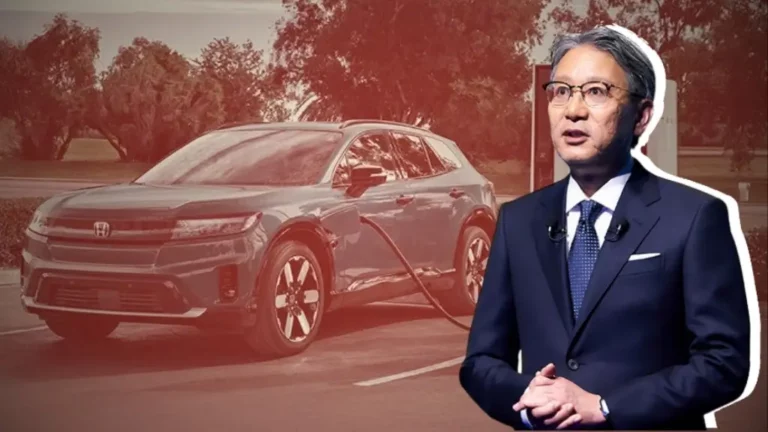
Additionally, EV shares of new-vehicle sales declined to 7.2%, down 4.6 percentage points from last year, after the federal EV tax credit ended. Meanwhile, the hybrid share is projected to reach 18.2%, up 4.8 percentage points and account for 35.5% year-over-year growth, despite limited inventory of popular hybrid models.
Affordability pressure builds
The average interest rate on new-vehicle loans is expected to fall to 6.55%, the lowest August reading since 2022. That relief isn’t showing up elsewhere. Average transaction price climbed to $45,563, up 2.0% from a year ago, while average monthly finance payments rose 3.7% to $812, the highest ever recorded for August.
Lower trade-in equity is another major contributor to the rise in payments. Since many buyers are re-entering the market after purchasing at peak prices during a period of limited inventory, more individuals are carrying negative equity into their next deal. In August, negative equity appeared on 28.8% of trade-ins, an increase of 0.6 percentage points compared to last year, though it’s slightly down from July’s 29.4%.
Subprime penetration also rose 2.0 percentage points to 10.8%. However, to manage payments, more buyers are stretching loan terms, with loans of 84 months or longer now making up 13.9% of financing, up 2.1 percentage points YoY.
Incentives rise, but not for EVs
Average incentive spending per vehicle is trending toward $3,384, up 5.9% from a year ago, with incentives reaching 6.6% of MSRP. Incentive spending on internal-combustion and hybrid vehicles is expected to rise 26.2% to $3,140 per unit. EV incentives are moving the opposite direction, down 19.9% to $9,228 per unit.
Even with prices and payments up, total retail consumer expenditure is projected to fall 7.6% to $49.8 billion, a $4.1 billion drop from August 2025, as lower sales volume outweighs the higher prices.