On the Dash:
- Polestar still has no explanation for its U.S. ban despite Volvo’s approval, a letter to dealers shows, WSJ reports
- Commerce officials signaled likely approval before reversing course and denying Polestar in June
- Nearly three dozen U.S. dealers face uncertainty, with one already suing for $25 million
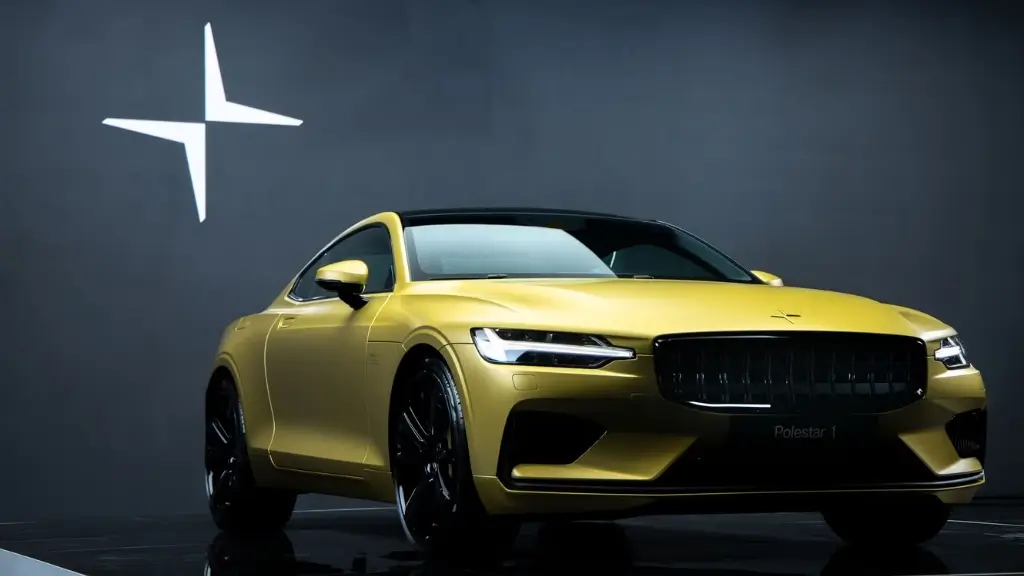
Polestar told its U.S. dealers it still has no explanation for why the Commerce Department blocked its cars from the American market while approving a nearly identical Volvo model, according to an Aug. 18 letter reviewed by The Wall Street Journal.
The Commerce Department issued its decision June 24 as part of a broader crackdown on Chinese-linked vehicle technology, the Journal reported. The rule targets connected-vehicle systems that could allow China or Russia to access data from American drivers. Polestar is the first automaker effectively blocked from the U.S. market under the rule, which originated during the Biden administration and has continued under President Trump.
Polestar and Volvo Cars share the same majority owner, Zhejiang Geely Holding Group, the Journal reported. Two of their models are built on the same production line in Ridgeville, South Carolina, using nearly identical hardware and the same software.
Peter Wexler, Polestar’s U.S. head of product, retail network and government affairs, detailed the company’s yearlong effort to secure a waiver in the letter, according to the Journal. After the automaker answered multiple rounds of questions from regulators in 2025, Commerce officials indicated they were preparing to recommend approval, Wexler said. In April, Jeffrey Kessler, Commerce’s undersecretary for industry and security, told Polestar management it would be reasonable to expect approval if Volvo received it, according to the letter.
Wexler said the company had offered to discuss mitigation measures multiple times, including data storage and access restrictions, auditing and reporting requirements, and independent cybersecurity assessments, the Journal reported. Commerce approved Volvo’s application in May, then denied it the following month, according to the letter.
“In essence, we are currently focusing on getting the attention of (the Commerce Department) to obtain the requested information and to understand the underlying basis for the denial,” Wexler said in the letter, according to the Journal.
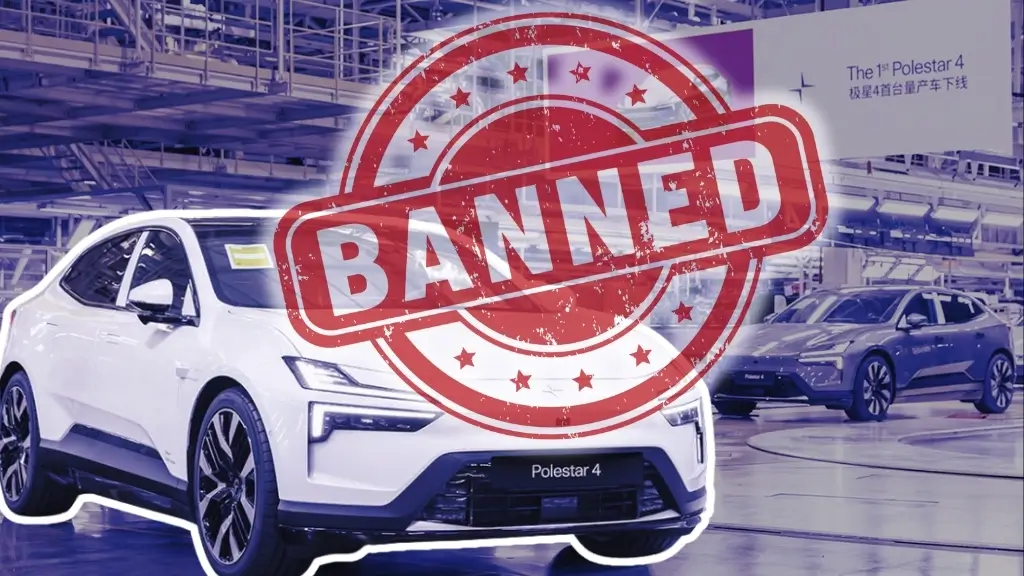
Wexler also argued that the Volvo EX90 is essentially the same vehicle as the Polestar 3 and runs the same software stack, the Journal reported. Polestar’s other U.S. model, the Polestar 4, is built in South Korea, a shift the company made last year partly to avoid steep American tariffs on Chinese-made EVs.
The company says it has told Commerce that the different outcomes for it and Volvo are “contrary to law,” according to the letter cited by the Journal. The company said it won’t appeal the denial and will instead shift its focus to Europe.
“We are in dialogue with our dealers in the U.S. but will not comment on the specifics,” the spokesman said, according to the Journal. A Commerce Department spokesman didn’t respond to the Journal’s request for comment.
The automaker sold fewer than 6,000 vehicles in the U.S. last year, about 6% of its global total, and is currently discounting existing inventory ahead of the ban, which applies to 2027 model-year vehicles and beyond. Nearly three dozen U.S. dealers, most of whom also sell Volvo, have pressed Polestar for answers over the unequal treatment. One dealer is suing Polestar for at least $25 million in damages tied to a Polestar showroom investment.