TSLA358.430-4.43%
GM86.390-1.54%
F13.900-0.5101%
RIVN17.0800.11%
CYD38.980-0.9%
HMC32.725-0.64%
TM194.770-2.58%
CVNA71.2901.385%
PAG217.7800.91%
LAD371.9951.265%
AN197.700-1.79%
GPI261.320-0.53%
ABG212.935-1.875%
SAH76.000-1.45%
TSLA358.430-4.43%
GM86.390-1.54%
F13.900-0.5101%
RIVN17.0800.11%
CYD38.980-0.9%
HMC32.725-0.64%
TM194.770-2.58%
CVNA71.2901.385%
PAG217.7800.91%
LAD371.9951.265%
AN197.700-1.79%
GPI261.320-0.53%
ABG212.935-1.875%
SAH76.000-1.45%
TSLA358.430-4.43%
GM86.390-1.54%
F13.900-0.5101%
RIVN17.0800.11%
CYD38.980-0.9%
HMC32.725-0.64%
TM194.770-2.58%
CVNA71.2901.385%
PAG217.7800.91%
LAD371.9951.265%
AN197.700-1.79%
GPI261.320-0.53%
ABG212.935-1.875%
SAH76.000-1.45%

U.S.-Canada trade talks collapse as auto tariff differences widen

Disagreements over vehicle tariffs and other provisions derailed a potential deal, leaving automakers facing renewed trade uncertainty.

U.S.-Canada trade talks collapse as auto tariff differences widen

On the Dash:

  • U.S.-Canada trade talks collapsed after negotiators failed to reconcile differences between the terms discussed and the language in the proposed agreement.
  • Canada pushed for tariff relief on medium- and heavy-duty vehicles, an issue with direct implications for GM and Ford assembly operations in the country.
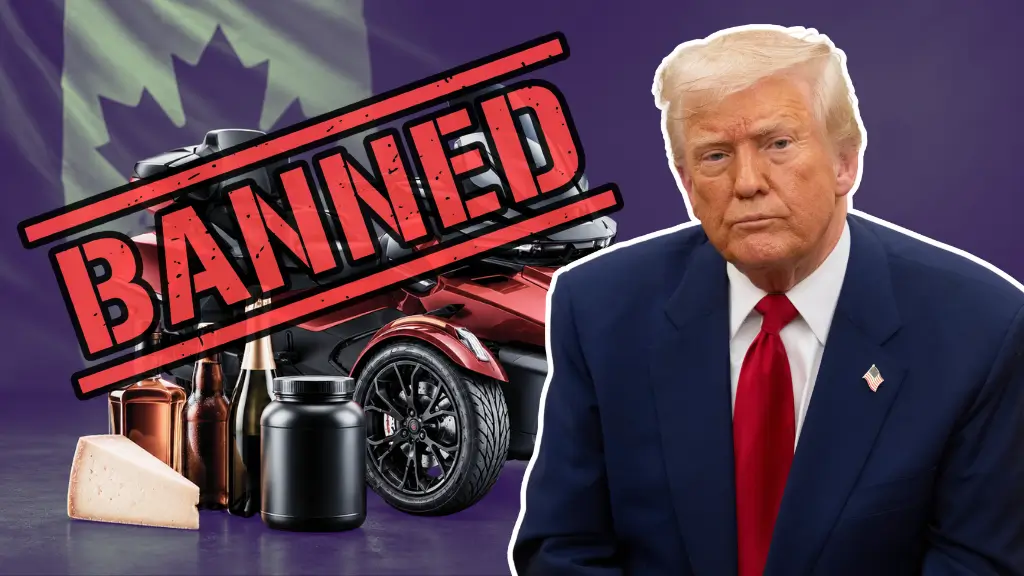
  • The breakdown triggered 50% U.S. tariffs on about $20 billion in Canadian goods and a Canadian retaliation plan, increasing uncertainty for North American automakers.

On Sunday, U.S.-Canada trade talks collapsed after Canada’s ambassador to the U.S., Mark Wiseman, said negotiators discovered noteworthy differences between what Canada believed had been agreed upon and what was reflected in the written terms. He noted that these discrepancies became too frequent and unfavorable for Canada to accept. This breakdown triggered new tariffs and increased the risk of a broader trade conflict.

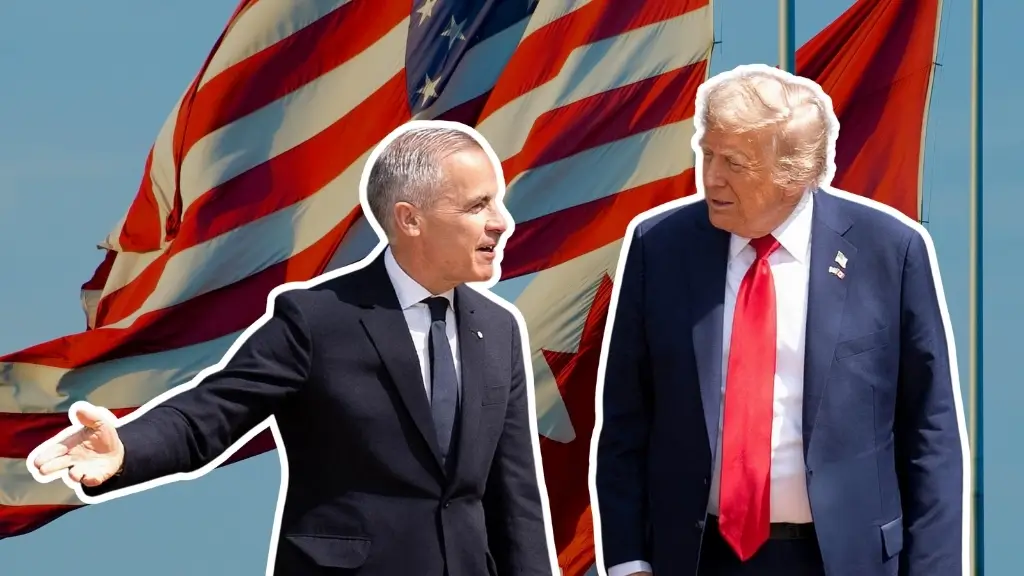
As a result, the U.S. imposed 50% tariffs on approximately $20 billion worth of Canadian goods. In response, Canadian Prime Minister Mark Carney announced retaliatory tariffs that would begin on September 8, 2026. These escalating measures further add to the uncertainty faced by automakers managing cross-border production and supply chains.

Sign up for CBT News’ daily newsletter and get the latest industry stories delivered straight to your inbox.

While Canada sought tariff relief for medium- and heavy-duty vehicles, the U.S. resisted including those vehicles in the proposed tariff reductions. Wiseman emphasized that protecting Canada’s auto assembly industry, which encompasses cars, light trucks, and heavy-duty vehicles, is essential. This issue directly impacts General Motors (GM) and Ford, both of which operate vehicle assembly facilities in Canada and both just reached tentative agreements with Canada’s union Unifor.

U.S. Trade Representative Jamieson Greer indicated that the potential agreement included tariff reductions for Canadian steel, aluminum, automobiles, and lumber. The proposal reportedly would have lowered some steel tariffs to 25% within a quota and reduced aluminum tariffs to the same amount. Additionally, tariffs on passenger vehicles would have been decreased, while some existing tariffs would have been suspended or eliminated.

Trade policy remains complicated

Canada objected to U.S. demands that could limit its ability to establish separate trade relationships with other countries. Canadian officials also expressed concerns about U.S. positions on French-language requirements for digital and streaming services. Wiseman stated that these provisions raised broader concerns about Canada’s ability to safeguard its economic and cultural policies.

Although neither side has provided a clear timeline for resuming negotiations, communications between the two governments continue. For automakers and dealers, the unresolved tariffs could continue to impact vehicle costs, production decisions, and North American supply chains.


More from Global Industry News
Volkswagen workers slam board's communication as 50,000 more job cuts loom

Volkswagen workers slam board’s communication as 50,000 more job cuts loom

- August 24, 2026
On the Dash: Workers call board's communication "disastrous," citing an internal survey showing fear and uncertainty Four German plants face competitive capacity concerns, though no closure decision has been made...
Hyundai locks in Shell lubricants partnership through 2031

Hyundai locks in Shell lubricants partnership through 2031

- August 20, 2026
On the Dash: Hyundai and Shell extend their partnership through 2031, building on 20+ years together New agreement expands EV fluid and coolant R&D alongside service marketing efforts Shell deepens...
GM, SAIC extend China joint venture through 2047 as automakers target new growth

GM, SAIC extend China joint venture through 2047 as automakers target new growth

- August 11, 2026
On the Dash: GM and SAIC extended their joint venture through 2047. SAIC-GM plans at least 30 new energy vehicles by 2030. China-developed Buick NEVs could begin reaching international markets...
Michael Dunne warns U.S. auto industry cannot afford to ignore China

Michael Dunne warns U.S. auto industry cannot afford to ignore China

- August 7, 2026
While the automotive industry scrambles to decipher China’s rapid rise, Michael Dunne argues that what is happening is not just routine commercial expansion, but an industrial takeover. Joining us on today’s...
CBT News
Privacy Overview

This website uses cookies so that we can provide you with the best user experience possible. Cookie information is stored in your browser and performs functions such as recognising you when you return to our website and helping our team to understand which sections of the website you find most interesting and useful.