TSLA345.130-5.99%
GM86.1501.19%
F14.005-0.495%
RIVN16.0100.28%
CYD38.710-4.73%
HMC32.6000.69%
TM192.2403.46%
CVNA71.5861.146%
PAG216.550-1.31%
LAD370.670-0.84%
AN200.090-0.43%
GPI263.820-0.05%
ABG215.3702.43%
SAH77.780-1.08%
TSLA345.130-5.99%
GM86.1501.19%
F14.005-0.495%
RIVN16.0100.28%
CYD38.710-4.73%
HMC32.6000.69%
TM192.2403.46%
CVNA71.5861.146%
PAG216.550-1.31%
LAD370.670-0.84%
AN200.090-0.43%
GPI263.820-0.05%
ABG215.3702.43%
SAH77.780-1.08%
TSLA345.130-5.99%
GM86.1501.19%
F14.005-0.495%
RIVN16.0100.28%
CYD38.710-4.73%
HMC32.6000.69%
TM192.2403.46%
CVNA71.5861.146%
PAG216.550-1.31%
LAD370.670-0.84%
AN200.090-0.43%
GPI263.820-0.05%
ABG215.3702.43%
SAH77.780-1.08%

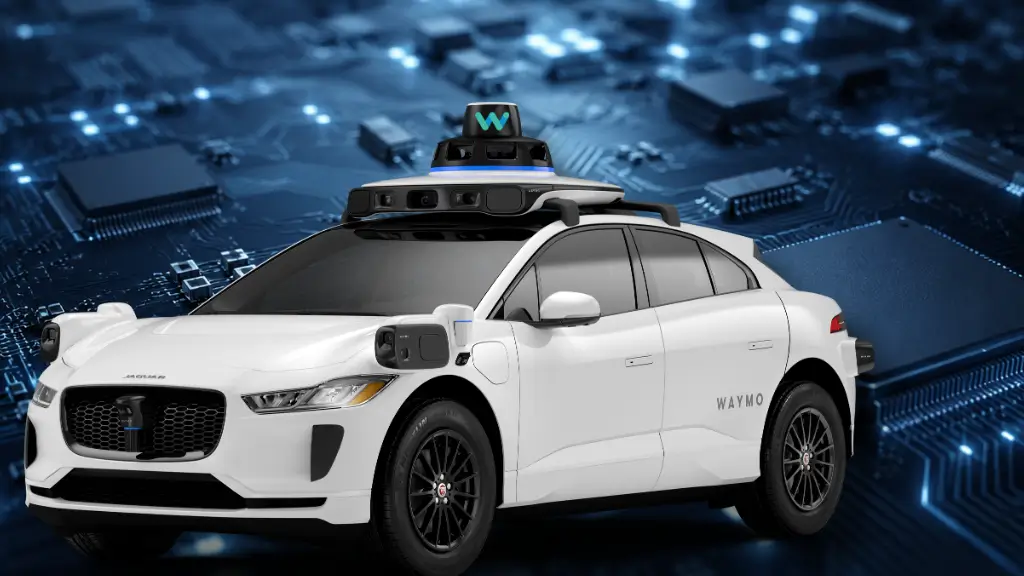
Waymo details custom chip built to speed up robotaxi reaction time

The company says its purpose-built 5-nanometer ASIC and compute system have scaled processing power 20 times over the past eight years.

Waymo details custom chip built to speed up robotaxi reaction time

On the Dash:

  • Waymo’s new 5nm ASIC computer chip delivers 1,000+ trillions of operations per second (TOPS) for sensor processing.
  • The company says Computing power has scaled 20 times over the past eight years.
  • Waymo still partners with AMD, Nvidia, TSMC and others on hardware.

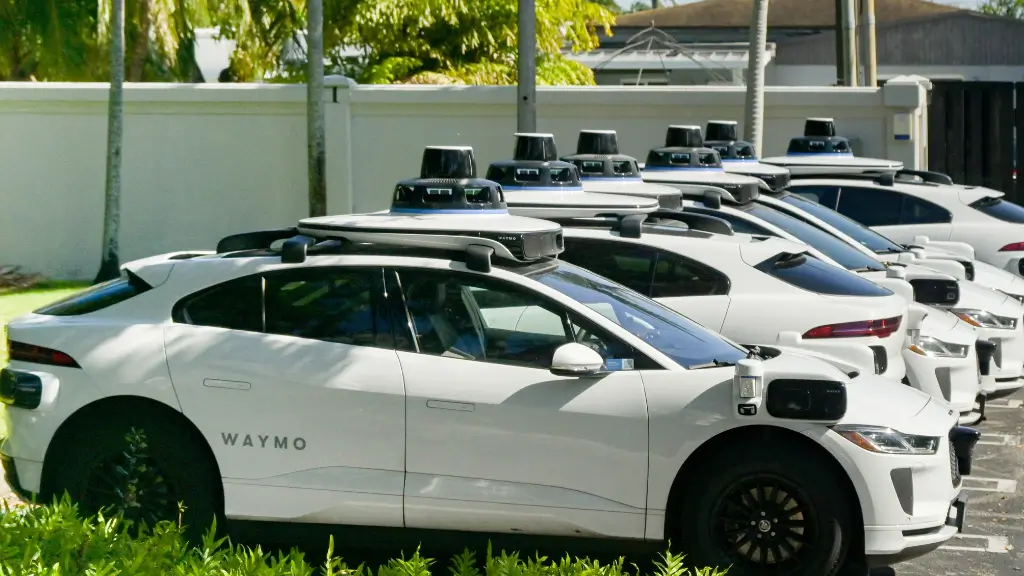
Alphabet’s autonomous vehicle unit, Waymo, built its own computer chip to help its robotaxis react faster on the road, the company said Thursday.

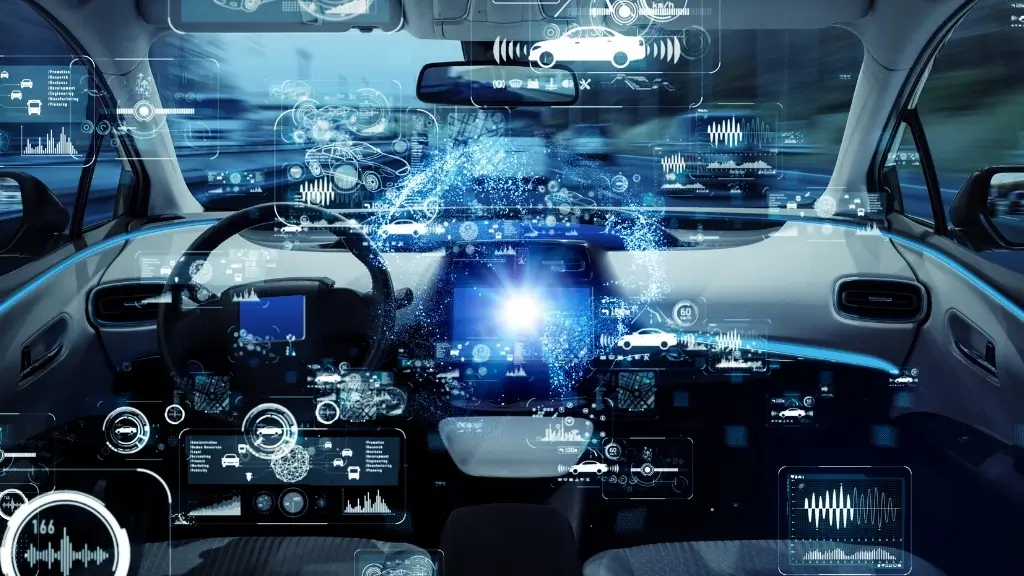
The chip is called an ASIC, short for application-specific integrated circuit. It handles the flood of data coming in from a robotaxi’s cameras, radar and lidar sensors, and processes that data before passing it to Waymo’s driving software. Waymo said the goal is faster, sharper reactions in busy city traffic.

Sign up for CBT News’ daily newsletter and get the latest industry stories delivered straight to your inbox.

Waymo said the ASIC alone delivers more than 1,000 TOPS, or trillions of operations per second, dedicated to front-end sensor processing and machine learning models. The company said it has scaled its overall compute power 20 times over the past eight years, drawing on more than 200 million fully autonomous miles to guide the design.

Waymo built the system around three priorities. It needs to be responsive enough to translate sensor input into a driving decision within milliseconds. It needs to be ruggedized to withstand vibration, shock and extreme temperatures, aided by a direct tie into the vehicle’s liquid cooling system. And it needs to be redundant, running as two independent engines in parallel so one can take over instantly if the other fails.

The custom ASIC doesn’t replace Waymo’s outside suppliers. The company said it continues to work with AMD, Micron, Nvidia, Samsung, Sandisk, Socionext and TSMC to build out the rest of its computing stack, pairing its own silicon with third-party CPUs, GPUs and accelerators.

Waymo said its latest system processes 13 high-resolution cameras simultaneously in real time, an increase the company credits to co-designing its chips, sensors and algorithms together rather than sourcing them separately.

Waymo plans to share more detail on its compute strategy at the Hot Chips conference next week at Stanford’s Memorial Auditorium in Palo Alto, California. Hot Chips is an annual conference where chip makers reveal the technical details of their newest processors, usually months before those chips actually ship.
More from Autonomous Vehicles
Tesla prepares public rollout of driverless Cybercab this month

Tesla set to launch driverless Cybercab, reports say

- August 18, 2026
On the Dash: Tesla employees will ride Cybercabs on Austin public roads before commercial riders do. Cybercab has no steering wheel or pedals, leaving no manual fallback if FSD isn't...
Waymo's driverless cars crash 68% less than humans, IIHS study finds

Waymo’s driverless cars crash 68% less than humans, IIHS study finds

- July 24, 2026
On the Dash: Waymo vehicles crashed 68% less often than human drivers over 50 million miles studied Single-vehicle crashes dropped 85% and injury crashes dropped 81% compared with human...
NHTSA

NHTSA brake pedal rule could revolutionize the robotaxi market in 2026

- June 26, 2026
On the Dash: NHTSA has proposed removing the federal mandate for manual brake pedals in vehicles designed to operate exclusively without a human driver. The change could ease the path...
Elon Musk predicts self-driving domination within a decade as Tesla, Waymo face new recalls

Elon Musk predicts self-driving domination within a decade as Tesla, Waymo face new recalls

- May 19, 2026
On The Dash: Musk predicted Tesla's unsupervised self-driving service will expand nationwide by the end of 2026. Musk said AI will handle 90% of all miles driven within a decade. ...
CBT News
Privacy Overview

This website uses cookies so that we can provide you with the best user experience possible. Cookie information is stored in your browser and performs functions such as recognising you when you return to our website and helping our team to understand which sections of the website you find most interesting and useful.