If you’ve been reading my columns over the past year, you may have noticed that I keep returning to California. One week it’s the EV mandate. Another week it’s replacement tire regulations. Then it’s emissions waivers, Section 177, Right to Repair, insurance companies collecting driving data, or new incentives designed to push consumers toward electric vehicles. On the surface, these stories don’t appear to have much in common.
They do.
Each one is another piece of a much larger puzzle. Individually, they’re easy to dismiss as another regulatory fight that only affects California. Together, they reveal a coordinated effort that has been reshaping the American automotive market for years, often without consumers realizing it.
That’s why the latest action in Washington deserves far more attention than it’s getting.
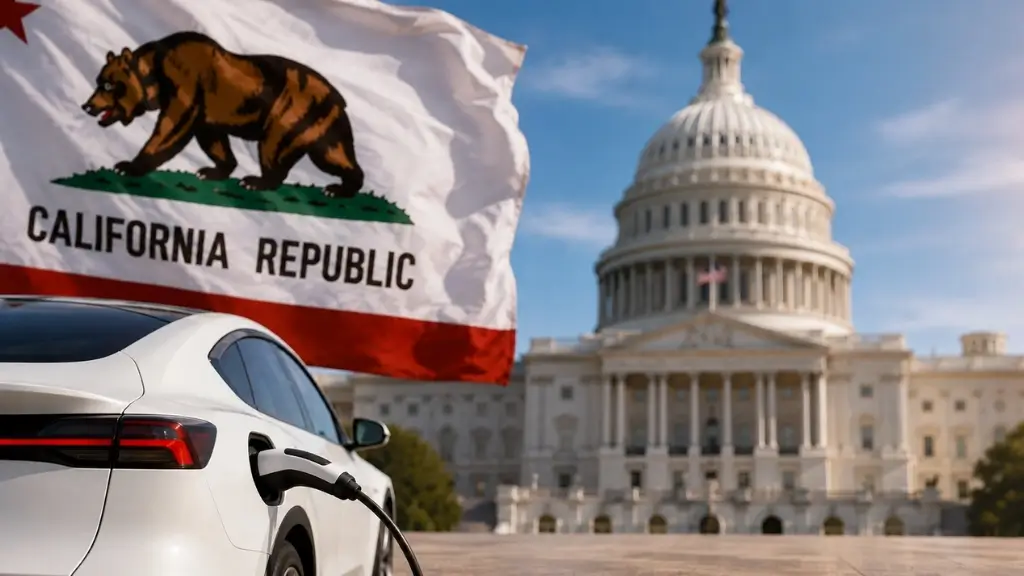
Last year, Congress voted to overturn California’s Advanced Clean Cars II waiver, the rule that would have effectively banned the sale of new gasoline-powered passenger vehicles in California by 2035. President Trump signed the Congressional Review Act resolutions, and many people assumed the fight was over. I can’t tell you how many times I’ve heard people say, “Didn’t California already lose?”
The answer is NO.
California lost one battle, not the war. If anything, what’s happening now shows just how determined the state is to preserve the influence it has built over decades. The latest Congressional Review Act resolutions introduced in the Senate don’t target the 2035 EV mandate itself. They go after something much bigger: the legal foundation California has relied on for years to build much of its vehicle emissions program.
That may sound like inside-the-Beltway legal jargon, but it has real-world consequences for every driver. California’s Clean Air Act waivers allow the state to adopt emissions standards that are stricter than federal requirements. Under Section 177 of the Clean Air Act, other states can choose to adopt California’s standards instead of the federal government’s. Today, California and the states following many of its rules represent a substantial portion of the U.S. auto market.
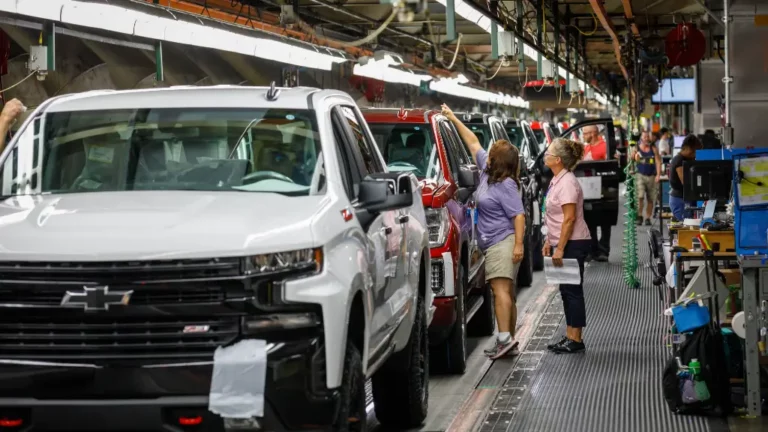
Automakers don’t like building one version of a vehicle for California and another for everyone else. It’s expensive, inefficient, and complicates manufacturing. More often than not, they build vehicles that satisfy the toughest standards across the markets they serve. That’s how policies written in Sacramento can influence what’s available in showrooms from New York to Texas.
Once you understand that, a lot of my previous reporting starts fitting together. When I wrote about California’s attempt to regulate replacement tires, it wasn’t just about tires. It was about California setting standards that could ripple into other states. When I covered Right to Repair, the debate wasn’t only about fixing your own vehicle. It was about who controls access to the technology built into modern cars. When we discussed insurance companies collecting driving data or automakers expanding connected vehicle systems, the bigger issue wasn’t convenience. It was who controls the information generated by your vehicle and how that information could eventually influence insurance rates, repairs, ownership, and consumer choice.
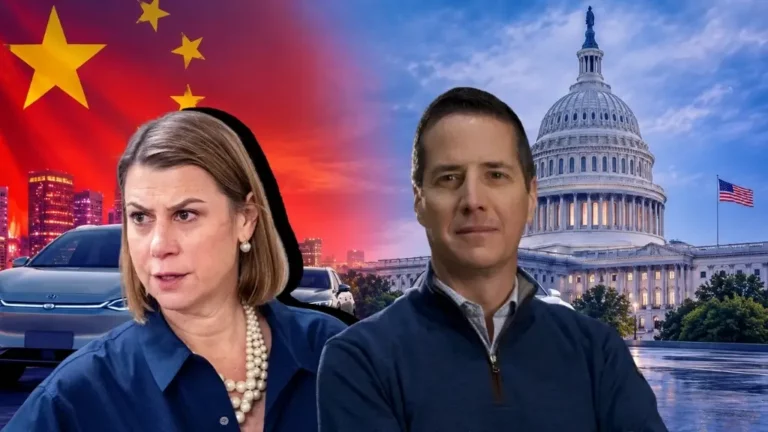
Now we’re watching the same pattern unfold again. Congress is trying to roll back decades of California regulatory authority through new Congressional Review Act resolutions targeting four additional EPA waiver decisions. Supporters say the effort is necessary to prevent one state from effectively dictating national vehicle policy. Opponents argue California has long held special authority under the Clean Air Act because of its unique air quality challenges and should continue leading on emissions policy.
The American Fuel & Petrochemical Manufacturers applauded the resolutions. AFPM President and CEO Chet Thompson said, “Congress already rejected California’s effort to force its vehicle policies on the rest of the country. Yet California continues looking for new ways to advance the same agenda. American families should not face higher costs or fewer choices because of policies imposed by a single state.”
California’s response speaks for itself. Rather than backing away after Congress overturned the EV mandate, California introduced the My First EV program. The initiative offers rebates for qualifying new and used electric vehicles to first-time buyers in an effort to keep EV adoption moving after federal incentives were reduced. The program also relies on participation from automakers, placing manufacturers in the middle of California’s continuing push toward electrification.
At the same time, California Attorney General Rob Bonta has made it clear the state intends to fight the Congressional Review Act actions in court. His position is that Congress improperly used the CRA to overturn EPA waiver decisions and that California’s authority under the Clean Air Act remains intact.
That’s why I don’t view these as separate stories anymore. Congress is trying to limit California’s regulatory authority. California is using incentive programs to keep its electrification goals moving forward. The courts are being asked to decide whether Congress even has the authority to revoke these waivers. Meanwhile, automakers are left trying to navigate conflicting political and regulatory demands while designing vehicles years before they ever reach a dealership.
If you only look at one headline, you miss what’s really happening. But when you step back and connect the dots, a different picture emerges. This is no longer just a debate over electric vehicles. It’s a debate over who gets to shape the future of transportation in America.
That’s the question consumers should be asking. Should one state have the ability to influence what vehicles are sold across much of the country? Should Congress establish one national standard? Or should the courts decide where state authority ends and federal authority begins? This is why Congress is pushing the Congressional Review Act resolutions.
However this ends, one thing is becoming increasingly clear. The biggest battle over your next vehicle isn’t happening inside the engineering departments at Ford, General Motors, Toyota, or Tesla. It’s unfolding in Congress, state capitols, federal agencies, and courtrooms. By the time the average consumer notices the outcome, many of those decisions may already have shaped the vehicles sitting on dealership lots.
That’s why these stories matter. They’re not isolated headlines. They’re chapters in a much bigger story that’s still being written. Your freedoms to choose what to drive should be yours not some unelected bureaucrat.
Check out my full commentary on this story: https://youtu.be/sv-H04YQyGY
Looking for more automotive news? https://www.CarCoachReports.com
Listen to The Drive Car Show – https://www.youtube.com/@thedrivecarshow