What if you could prove you weren’t driving a car when it committed a traffic violation and still get the ticket? That sounds ridiculous, but it happened to Jacob Rockwell. He was in Alabama when a camera in Pensacola photographed his vehicle running a red light. The city sent him a $158 citation. Rockwell said he wasn’t there, yet the case was ultimately upheld after a hearing.
Think about what that means. The camera identified the vehicle, the registration identified the owner, and the ticket followed. But a license plate identifies a vehicle, not necessarily the person driving it. Once automated enforcement enters the equation, that distinction becomes a very big deal.
And this isn’t just one ticket. Automated license plate recognition systems can identify the wrong vehicle, misread a plate or correctly identify a vehicle while the wrong person is accused. The technology may be useful, but when it gets something wrong, the consequences don’t land on the machine. They land on you.
We’ve already seen how serious that can become. Chrisanna Elser was accused of stealing a package after police used Flock camera images showing her vehicle in the area. Elser disputed the accusation and gathered her own location and vehicle evidence to challenge it.
The problem is obvious. The technology helped create the accusation, but the person accused had to assemble the evidence to fight it. That’s a dangerous shift. The government should have to establish that someone committed an offense. We shouldn’t build a system where a machine makes the accusation and the citizen has to prove the machine wrong.
Then there is Lindsey Isaacs. She spent 13 days in jail after license-plate-reader information was used to connect her vehicle to a fatal crash. Prosecutors eventually dropped the charges after another suspect was identified.
Thirteen days in jail is a long way from a $158 traffic ticket. It shows why this debate isn’t simply about whether cameras can help police. They can. The real question is what happens when the information is wrong, and who is accountable for the damage.
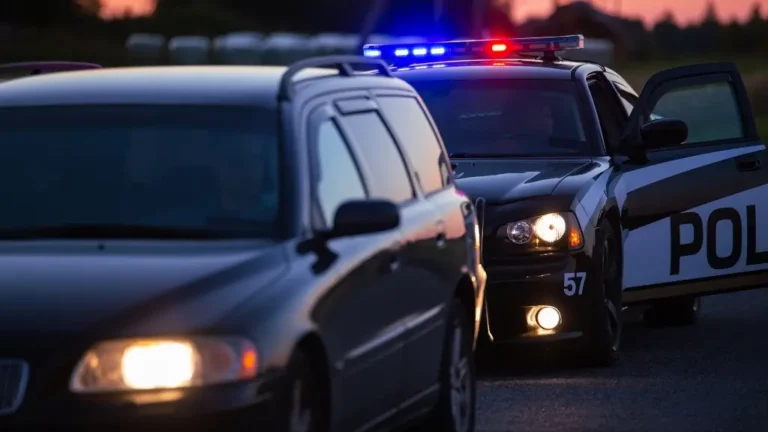
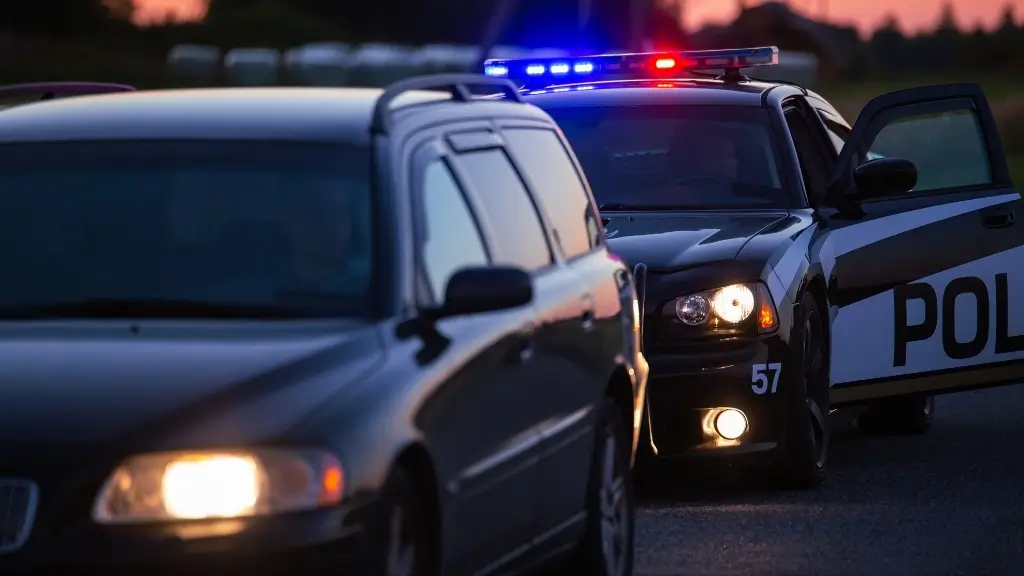
Automotive journalist Tim Esterdahl experienced another version of the problem when an ALPR system incorrectly identified the Range Rover press vehicle he was driving as stolen. The resulting traffic stop lasted about 90 minutes while officers worked to determine what had happened.
The officer responding to an alert isn’t necessarily the problem. The problem is the chain of events that begins with information generated by a machine and ends with an innocent person having to explain why that information is wrong.
That brings us to Flock Safety. On August 26, Sen. Josh Hawley launched a Senate investigation into the company, raising questions about the size of its network, data retention, access, searches across jurisdictions and accuracy. The investigation cited more than 120,000 cameras across 49 states and more than 20 billion vehicle scans each month.
Those numbers deserve scrutiny because most vehicles captured by these systems belong to ordinary Americans. People are going to work, taking their kids to school, shopping and driving home. The public deserves to know how long that information exists, who can search it and what happens when the system gets something wrong.
And don’t get distracted by the name on the camera. If one company is replaced by another, the important question is whether the capability changed. What information is collected? Who can access it? How long is it retained? Can it be shared with other agencies? What safeguards exist when an identification is wrong?
Follow the money.
If taxpayers are told these systems make communities safer, show them the contracts. Show them the pricing, retention policies, access rules and accountability provisions. If a private company provides technology that becomes part of government enforcement, there needs to be a clear answer about who is responsible when that technology produces a false accusation.
I’m not against police using technology. I’m against treating technology as infallible.
A camera is a tool, not a judge. A database is a tool, not a verdict. And a license plate identifies a vehicle, not necessarily the person behind the wheel.
That’s why Jacob Rockwell’s case matters. His vehicle was photographed in Pensacola while he was in Alabama, yet the citation still carried his name.
So here’s the question: When a machine makes the accusation, who has to prove it wrong?
If the answer is always the citizen, we’ve created a system where technology makes the accusation and the person accused pays the price of correcting it.
Show me the evidence. Show me the accountability. And if the machine gets it wrong, show me who pays.
Check out my full commentary on this story: https://youtu.be/uthQ_p49NsQ
Looking for more automotive news? https://www.CarCoachReports.com
Listen and subscribe to The Drive with Lauren and Karl – https://www.youtube.com/@thedrivecarshow