
On the Dash:
- Potential changes to automotive rules of origin could significantly affect vehicle production and sourcing across North America.
- The latest U.S.-Canada trade dispute adds uncertainty for cross-border supply chains and supplier logistics.
- Dealers should monitor USMCA negotiations closely as future trade rules could influence vehicle pricing, inventory and manufacturing strategies.
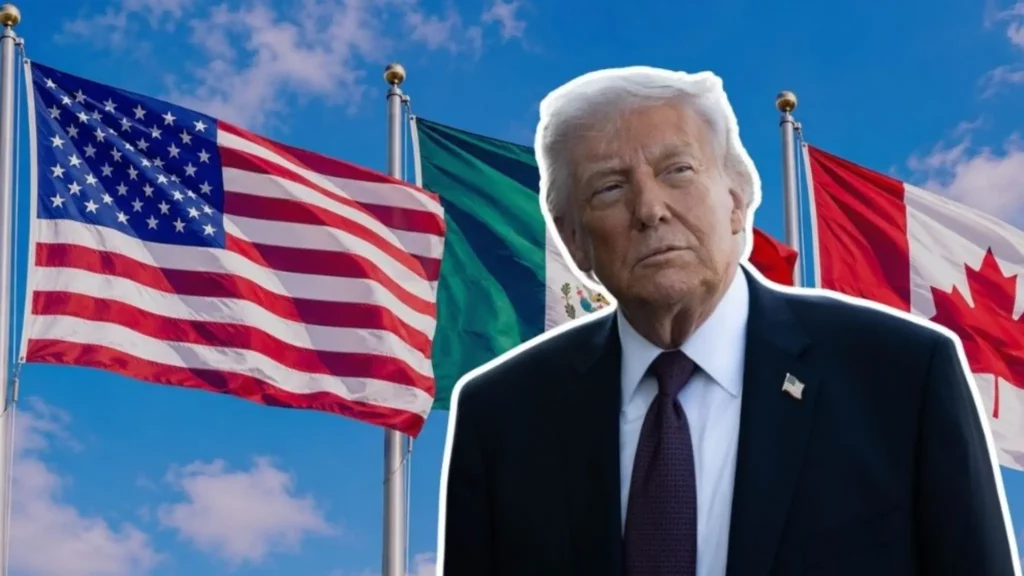
U.S. and Mexican officials have launched the third round of bilateral negotiations to revise the U.S.-Mexico-Canada Agreement (USMCA). These three days of talks mark the first formal negotiations since the Trump administration chose not to renew the trade pact on July 1, which initiated annual reviews extending to 2036.
U.S. Trade Representative Jamieson Greer stated that the administration’s priorities include reducing trade deficits and expanding U.S. manufacturing. Negotiators are discussing changes that will impact sectors such as automotive, steel, aluminum, agriculture and labor.
The U.S. has proposed a requirement that 50% of the value of North American-built vehicles must originate in the United States, representing a significant change from current regulations. Additionally, officials are advocating for stronger “economic security” measures to limit China’s access to North American supply chains.
Canada pushed aside
These negotiations take place one day after President Trump announced new 50% tariffs on nearly $20 billion worth of Canadian goods. This development has further strained U.S.-Canada relations and has caused Canada to cancel a planned joint ribbon-cutting ceremony for the Gordie Howe International Bridge. Although the bridge remains on schedule to open, Canadian officials now intend to hold a separate domestic event instead.
Notably, the U.S. Chamber of Commerce has urged the administration to maintain the trilateral framework of the USMCA, warning that businesses depend on stable trade rules throughout the region. Meanwhile, Mexican officials expressed hope that negotiators can reach a revised agreement by the end of the year, emphasizing that prolonged uncertainty could negatively affect investment and North America’s competitiveness.