On the Dash:
- The FTC is prioritizing advertised price accuracy, including fees, rebates and financing conditions.
- Inventory listings must reflect real-time availability across all digital platforms.
- Warning letters signal documented notice, and future violations could carry steep civil penalties.
Federal regulators are escalating pressure on auto retailers over deceptive online listings, warning that “ghost car” practices may violate consumer protection laws.
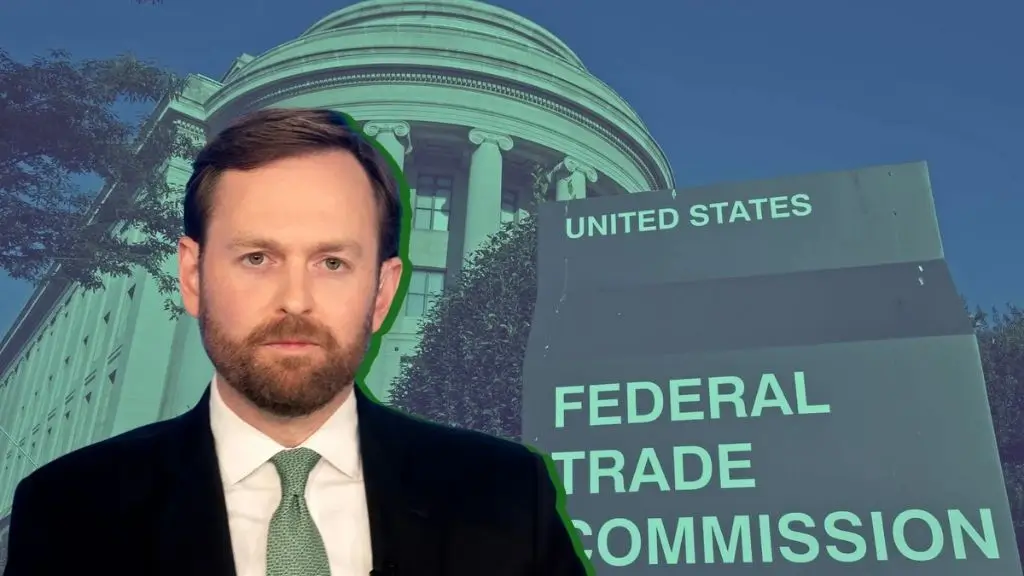
On March 13, 2026, the Federal Trade Commission (FTC) sent warning letters to 97 dealer groups nationwide, flagging concerns over misleading vehicle pricing and availability disclosures. The agency did not issue formal penalties but reinforced that enforcement is ramping up.
What the FTC is flagging
The letters follow years of consumer complaints about “ghost car listings,” a term for vehicles that appear online but are unavailable at the advertised price, condition, or at all. Listings frequently remain live after a vehicle sells or is syndicated to third-party platforms, with outdated details.
The FTC said advertised prices must reflect what consumers actually pay, excluding only standard government fees such as taxes and registration. Regulators called out tactics that hide mandatory fees, rely on unavailable rebates, require dealership financing, or impose upfront add-on conditions.
What’s next for dealers
The FTC has signaled it will continue monitoring the market and may pursue further action if dealers fail to clean up their pricing practices. For many, the letters served as a wake-up call. The question now is how to respond.
CBT News plans to dig into exactly that at the Auto Leadership Summit on June 16. Sessions will cover the 97 letters, recent consent orders, and what all-in pricing looks like in practice. Dealers, legal experts, policy advocates, and lawmakers, including U.S. Ohio Sen. Bernie Moreno, will be in attendance. Space is limited, but interested parties can register at cbtnews.com/auto-leadership-summit.