On the Dash:
- EVs cost 42% more to insure than gas-powered cars, but the gap is narrowing.
- At today’s gas prices, EV owners still save $567 to $1,007 per year net.
- Faster EV depreciation makes GAP coverage a natural F&I conversation for dealers
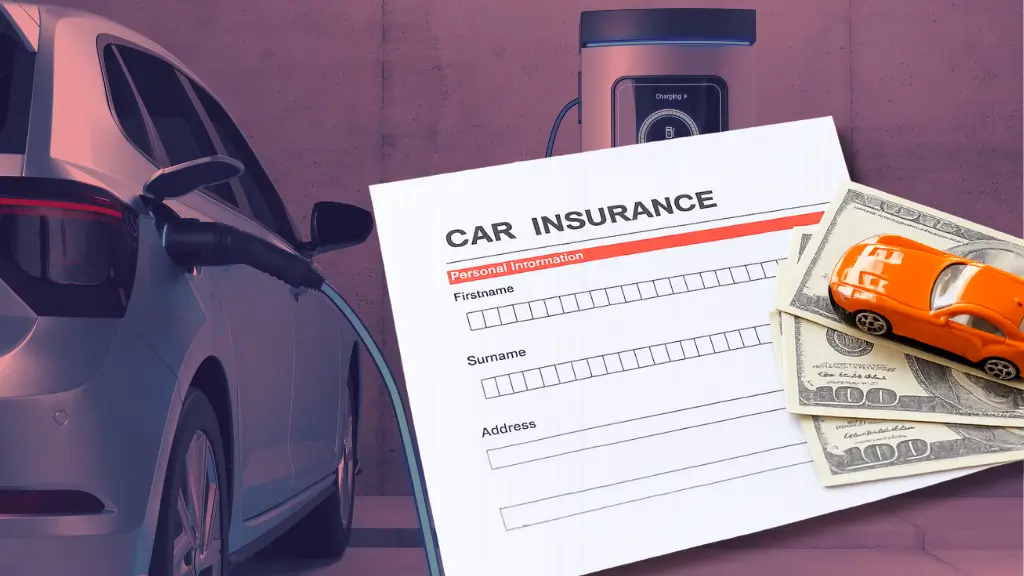
A new Insurify analysis finds EVs cost significantly more to insure than gas-powered cars. As dealers work to move EV inventory, that gap is becoming part of the ownership conversation on the showroom floor.
According to Insurify’s latest report, EVs cost an average of $3,159 per year to insure with full coverage across all model years. Gas-powered vehicles average $2,218 per year, a 42% difference. Insurify drew from a database of more than 235 million insurance quotes. When comparing newer models only (2024 and newer), the gap shrinks to 18%, or $501 annually, as advanced driver-assistance technology becomes standard across vehicle types.
Tesla models dominate the list of the most expensive EVs to insure, with the Model S topping the brand’s lineup at $4,558 annually. The Mercedes-Benz EQS leads all models at $4,703 per year.
Sticker shock at the insurance desk
Dealers who understand the insurance picture can help buyers put the numbers in context.
“The insurance cost gap between insuring an EV and a gas-powered car can influence drivers differently depending on where they’re coming from,” Julia Taliesin, data journalist at Insurify, told CBT News. “Drivers trading in their aging gas-powered car for a brand new EV may balk at the insurance price jump, but drivers exchanging a new gas-powered car for a new EV may see only a slight increase.”
Gas averaged $4.49 per gallon nationally as of late May. At that price, EV owners save an estimated $1,508 per year in fuel costs. The insurance premium gap does not erase those savings.
“The insurance cost gap between all EVs and gas-powered cars is $941, while the gap when comparing newer models is $501,” Taliesin said.
That net savings figure gives sales staff a concrete talking point. Rates vary by driver profile, location, and vehicle, so Taliesin recommends buyers compare quotes before purchasing.
Opportunity in the F&I office
The data also points to an opportunity in the F&I office. EVs depreciate faster than gas-powered vehicles, making GAP coverage a more relevant conversation for new EV buyers.
“Since research shows that EVs currently depreciate faster than gas-powered cars, GAP coverage can be great protection for new EV owners,” Taliesin said. “This could be an opportunity for F&I managers to recommend a really helpful coverage for new EV owners.”
GAP coverage through an insurer typically runs $2 to $20 per month. Purchased at the dealership as a flat rate, it ranges from $400 to $900, according to Insurify data.
Helping buyers lower the cost
EVs cost more to insure, largely because they cost more to repair. Specialized labor and pricier parts drive up premiums, though that gap is narrowing as advanced technology becomes standard across all vehicles. Driver profile factors like credit history and driving record also play a significant role, regardless of vehicle type.
Dealers can point buyers to several strategies. Shopping for insurance before finalizing a vehicle purchase gives buyers a clearer picture of total ownership costs. For buyers already in an EV, maintaining a healthy credit history, considering a higher deductible, and exploring usage-based insurance policies can all help reduce premiums.