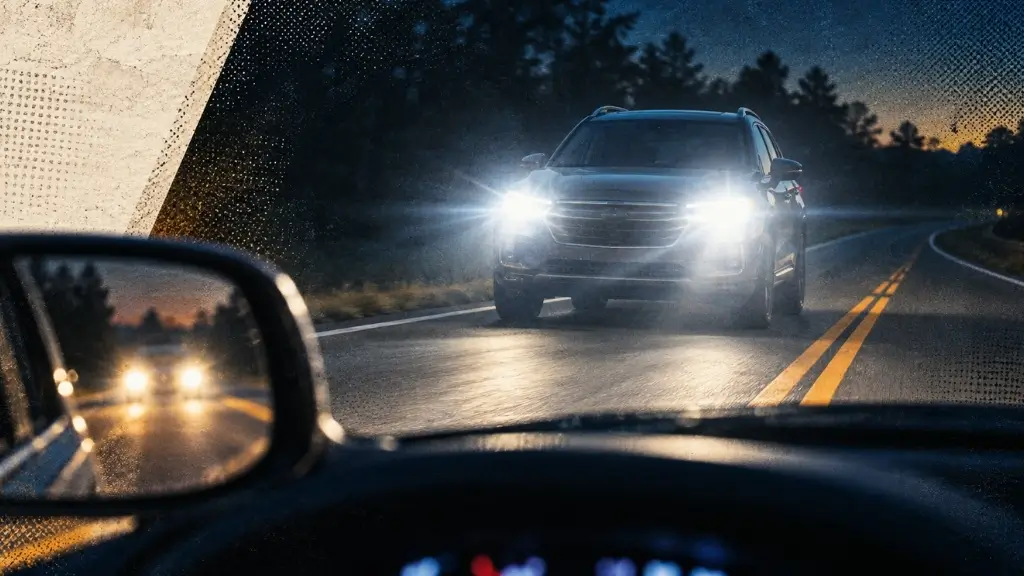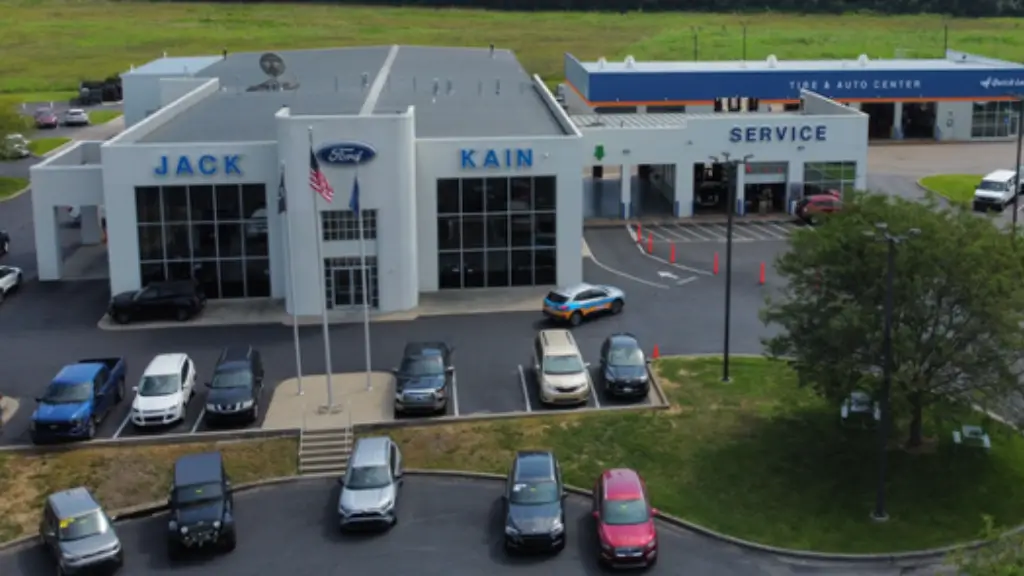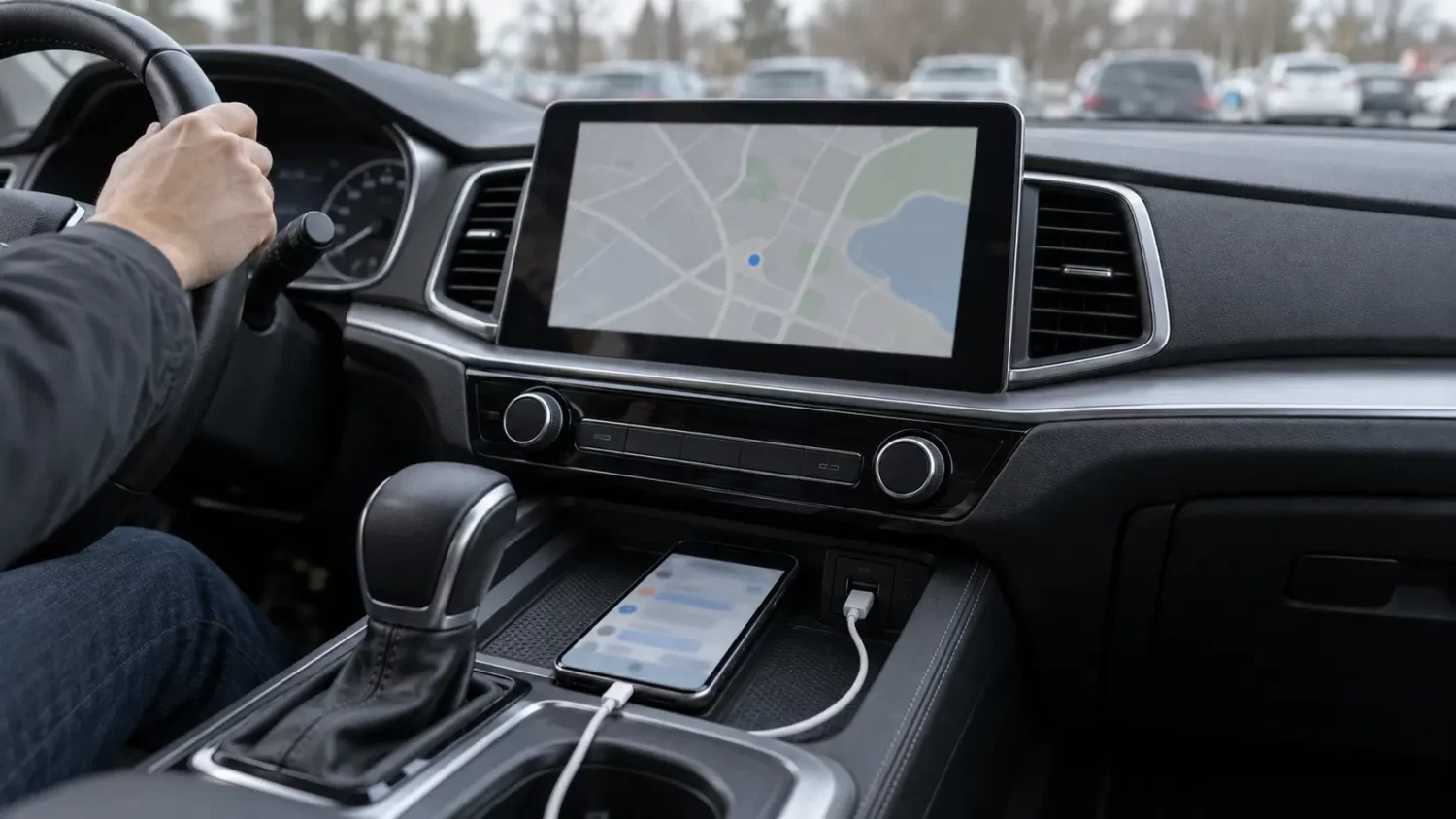

We’ve covered Flock cameras before, the automated license plate readers were expanding fast, sold as a precision crime-fighting tool. The update is less reassuring. Fresh mistakes are still occurring, including a case where police tracked an automotive journalist in a press vehicle for days before surrounding him in a parking lot over a misread temporary plate. Similar errors have led to families and used-car buyers facing unnecessary high-risk stops and even cases where officers drew their firearms on innocent drivers.
At the same time, your pushback is producing results. Dozens of cities and towns have let Flock contracts expire or removed cameras after residents raised concerns about accuracy and privacy. That pressure — including from drivers paying attention to what these systems actually do on the road — has forced real changes in multiple communities.
The surveillance layer itself, however, is not being dismantled. Many of the same localities are replacing Flock with systems from other vendors. Axon, Motorola Solutions / Vigilant Solutions, Rekor Systems, Genetec AutoVu or ELSAG (now part of Leonardo, the same people with the Bluetooth tracking) and other established players are stepping in, often promising tighter data controls while keeping the core function: photographing every vehicle and storing movement records. The debate has shifted from whether to run this kind of network to who operates it and under what rules.
This matters for Fourth Amendment protections. Comprehensive vehicle location data collected without individualized warrants sits in tension with recent Supreme Court rulings on third-party location information. When cameras are also installed at retail locations that sell firearms — logging every car that enters — the records begin to touch activity protected by the Second Amendment as well.
An independent project called DeFlock.org is pushing back through transparency. It maps known automated license plate reader locations across the country so residents can see exactly what’s operating in their area. People are using those maps to attend local meetings with specific facts and demand accountability on verification procedures and data access.
The companies involved continue to adapt and compete for the contracts. The cameras keep collecting data on ordinary drivers. The only consistent counter-pressure has come from communities that treat this as a local issue worth sustained attention rather than a settled national policy.
Drivers supply the raw material for these systems every time they leave home. When errors occur, they bear the immediate consequences. When contracts change hands, the infrastructure often remains. The question that remains open is how much comprehensive, searchable tracking of law-abiding movement on public roads Americans are willing to accept as normal — and whether swapping vendors while the database grows actually protects the constitutional lines that matter.
Check out my full commentary on this story: https://youtu.be/cpjSPRKgDUI
Looking for more automotive news? https://www.CarCoachReports.com
Listen to The Drive Car Show – https://www.youtube.com/@thedrivecarshow