On the Dash:
- Volvo’s global sales declined 5.5% year over year, reflecting ongoing pressure in China and uneven EV demand in key markets.
- U.S. deliveries showed early signs of improvement, though consumer demand remains challenged following the removal of federal EV incentives.
- Strong European demand for Volvo’s electric SUVs, including the EX30 and EX40, continues to support the brand’s electrification strategy.
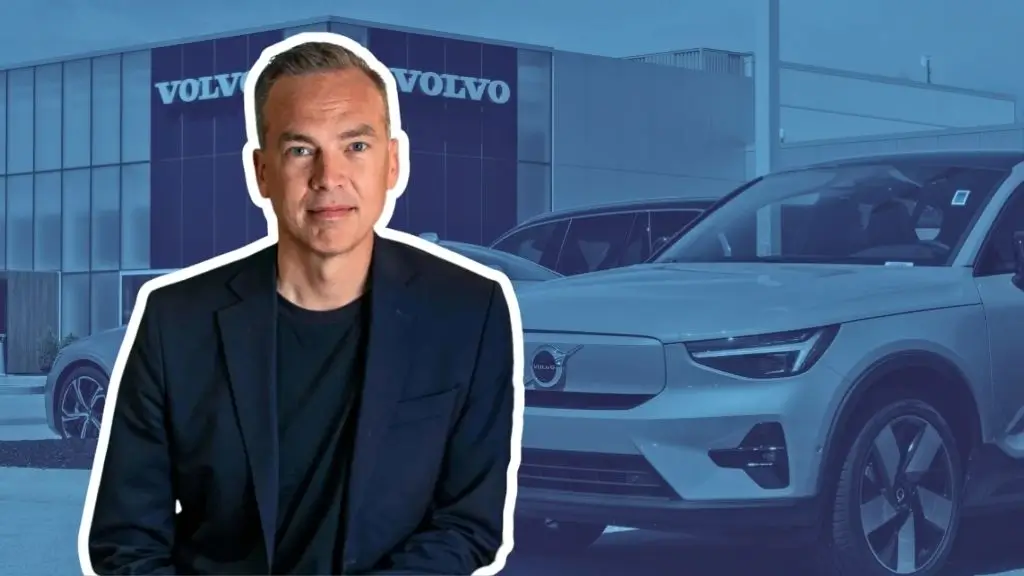
Volvo Cars reported a 5.5% decline in global sales during the three months ending May 31, citing challenging market conditions across multiple regions. The automaker sold 178,980 vehicles during the period, down from 189,440 vehicles a year earlier, as economic uncertainty, regional pressures and intensifying competition weighed on performance.
Volvo reported continued weakness in China, one of its largest markets. As domestic manufacturers continue to apply aggressive pricing pressure, and a difficult macroeconomic environment contributed to the decline, the company cited intense industry competition as the primary driver of softness in the region.
U.S. market
In the U.S., Volvo said deliveries improved gradually during the reporting period, with early indicators pointing towards a recovery for both the brand and the broader automotive industry. Overall demand remains constrained, however, as weak consumer sentiment and slower EV adoption followed the expiration of federal EV incentives.
Europe drives EV growth
Fully electric and plug-in hybrid vehicles accounted for 48% of Volvo’s global sales during the period. Battery-electric vehicles accounted for 23% of total sales, while plug-in hybrids accounted for 25%.
Volvo’s fully electric deliveries grew for the eighth consecutive month, fueled by strong demand for the EX30 and EX40 electric SUVs across Europe. Chief Commercial Officer Erik Severinson credited the brand’s European electrification push for sustaining momentum despite broader industry headwinds.
New EX60 orders
Early customer orders for the upcoming EX60 electric SUV have exceeded Volvo’s internal forecasts, signaling continued consumer interest in the brand’s expanding electric lineup. The result highlights the uneven pace of global EV adoption and the growing importance of regional dynamics for automakers pursuing electrification strategies.