On the Dash:
- UAW pressure for stricter U.S. production rules could reshape sourcing and vehicle assembly strategies across North America.
- Continued tariff uncertainty may increase costs and complicate dealers’ inventory planning.
- Future USMCA revisions could affect vehicle pricing, supply chains, and factory investment decisions industrywide.
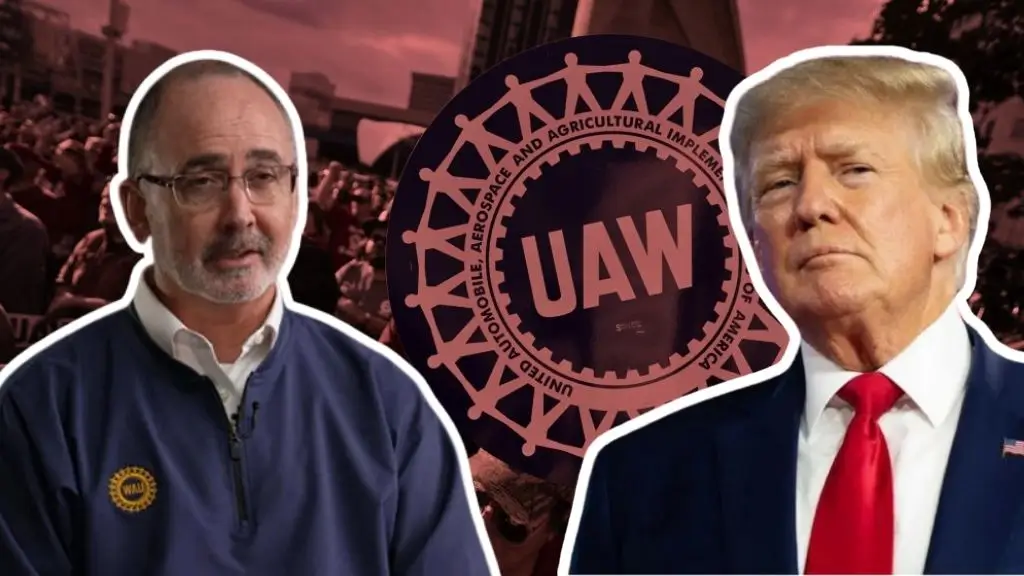
The United Auto Workers (UAW) is urging the Trump administration to strengthen domestic manufacturing requirements during upcoming USMCA trade negotiations, arguing the current agreement has failed to protect American workers and production.
UAW President Shawn Fain emphasized that ongoing negotiations are crucial for union members and the wider working class. The union considers the current USMCA framework “broken” and urges negotiators to pursue stronger protections for manufacturing and labor.
Domestic production
While the UAW prioritizes a “build here to sell here” policy to boost domestic vehicle production, it’s also calling for stronger labor rights enforcement mechanisms across North America and demands stricter cross-border standards for wages, worker safety, and industrial policy.
UAW leaders note that the U.S. currently produces 61 vehicles for every 100 sold, while Mexico significantly outpaces this, producing 249 vehicles for every 100 sold. Despite opposing many of President Trump’s policies, the union has supported tariffs intended to encourage more U.S. manufacturing investment.
Trump signed the USMCA agreement during his first term to replace NAFTA, which he blamed for substantial U.S. manufacturing job losses. This agreement established regional content and labor rules linked to duty-free trade benefits across North America.
Tariffs and the road ahead
Notably, Trump has criticized USMCA and has imposed new tariffs on automobiles, steel, aluminum, and other goods from Canada and Mexico.
As a result, automotive imports from Canada and Mexico now face a 25% tariff rate, though exemptions remain tied to USMCA compliance and U.S. content levels. Before these increases, average automotive duty rates from Mexico and Canada hovered around 0.5%, but they have risen to approximately 10% since April 2025.
Consequently, businesses importing automotive goods from Canada and Mexico have faced about $20 billion in duty charges due to the tariff hikes.
USMCA member countries are expected to decide by July 1 whether to recommit to the agreement, although this deadline is not binding. The trade pact will remain active through 2036 unless one of the participating countries formally withdraws.
Due to ongoing tensions regarding tariffs, Canada will not participate in the discussions scheduled for May 25.