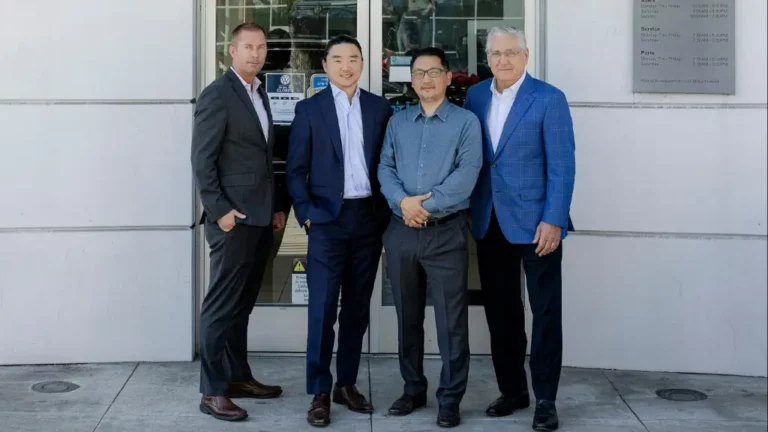
From global headlines to policy changes, the automotive industry is bearing the brunt. Joining us on today’s Inside Automotive episode is Tom Maoli, CEO of Celebrity Motor Car in New Jersey, to discuss how global instability, including the war in Iran, is impacting consumer confidence, vehicle pricing, and supply chain conditions in the auto industry.
With all the industry headwinds, Maoli believes consumers are “shaking in their boots.” He notes that consumer confidence is driven by apprehension and uncertainty, specifically citing high vehicle prices, monthly payments, and interest rates as the primary causes of this “unnerving.”
Market conditions
At the same time, Maoli said he is beginning to see “the cracks in the ice” as production declines and supply constraints re-emerge. He points to tightening output, potential chip-related disruptions, and shrinking vehicle availability as early signals of renewed pressure across the supply chain.
“I think the next 6 to 12 months is going to be very interesting in the industry.”
Used-vehicle pricing has also risen sharply as new inventory remains limited. Maoli said prices on pre-owned vehicles, particularly popular segments, have risen significantly in recent months as fewer trade-ins enter the market and dealers compete for available units. He adds that service departments continue to benefit as consumers hold onto vehicles longer.
Regarding EVs, Maoli said demand remains limited in his market, with stronger interest centered on used vehicles rather than new electric models. He said hybrids and plug-in hybrids continue to represent the most practical growth segment for most dealerships, particularly outside of coastal ZEV states.
Policy, regulations, and industry competition
Maoli also addressed growing regulatory scrutiny from the Federal Trade Commission (FTC) on advertising and pricing transparency. While he acknowledged the FTC “went too far,” he said the broader intent is sound, noting that all-in pricing ultimately levels the playing field and helps consumers make informed decisions. “At the end of the day, the consumers should know what they’re paying, what they’re buying, and what the benefit of the bargain is.”
He further supported automakers’ efforts to curb brokered vehicle transactions, arguing that broker deals weaken franchise relationships and pull inventory away from local customers. Maoli said he views local dealership networks as critical to long-term service retention and community-based operations.
On international competition, Maoli took a firm stance against allowing Chinese automakers into the U.S. market, even on a limited basis. He warned that unrestricted entry could disrupt domestic manufacturing and raise broader concerns about industry stability and national security.
Looking ahead
Despite ongoing uncertainty, Maoli said demand at Celebrity Motor Car remains strong even as supply tightens, describing conditions as beginning to mirror the COVID-era inventory crunch.
“Business is great. Demand is great. The demand is up, supply is down again. And I think we're actually touching on COVID times. We're going to get to the point where there are shortages of vehicles and we don't have enough vehicles to sell to consumers.”
For Maoli, the road ahead comes down to one thing: inventory. He said that while demand remains strong, supply chain pressures and regulatory shifts will continue to test dealers in the months ahead. Those who stay disciplined and adapt quickly, he argues, will be the ones best positioned to weather what comes next.