On the Dash:
- China exported more EVs than gas cars for the first time in April.
- U.S. tariffs are instead redirecting Chinese EVs to Europe and Latin America.
- Congress and U.S. automakers are aligned in their efforts to keep Chinese vehicles off American roads.
China exported more electric and plug-in hybrid vehicles than gas or diesel cars for the first time in April. Automakers expanded aggressively overseas as domestic demand weakened, the China Passenger Car Association said Monday.
New-energy vehicles made up 52.7% of China’s 769,000 total auto exports in April. NEV exports more than doubled from a year earlier, reaching 406,000 units.
China’s passenger car retail sales fell 21.5% from a year earlier to 1.38 million units in April and dropped another 16% from March. Rising oil prices are accelerating the shift away from gas vehicles. Even so, retail sales of electric and plug-in hybrid cars inside China fell 6.8% to 849,000 units.
BYD posted record overseas sales of 134,500 passenger cars and pickups in April, up 70.9% year over year. Overseas volume now accounts for more than 40% of BYD’s total monthly sales. BYD surpassed Tesla as the world’s largest electric-vehicle maker by volume in 2025. Europe and Latin America are absorbing the vehicles that U.S. tariffs keep out.
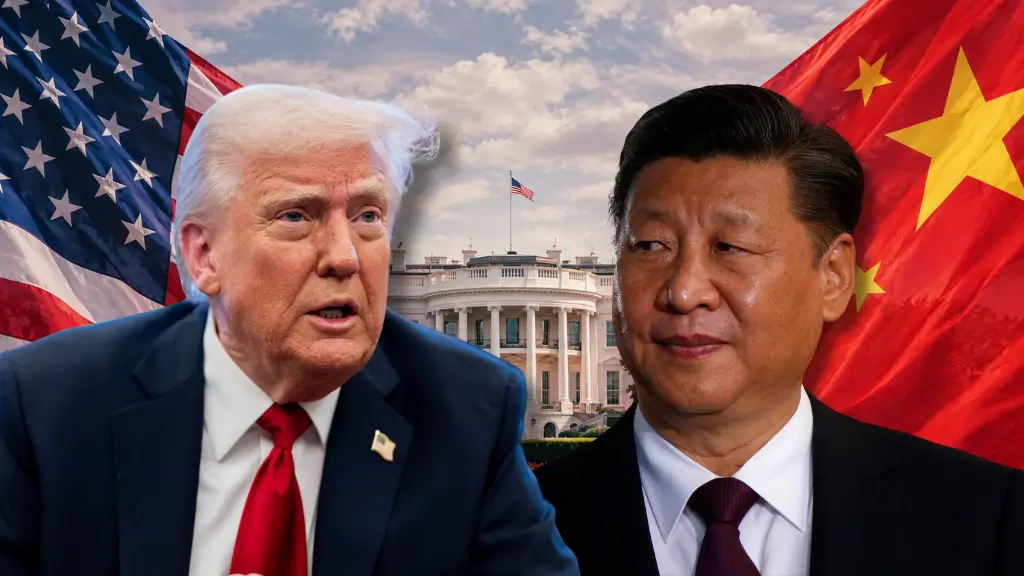
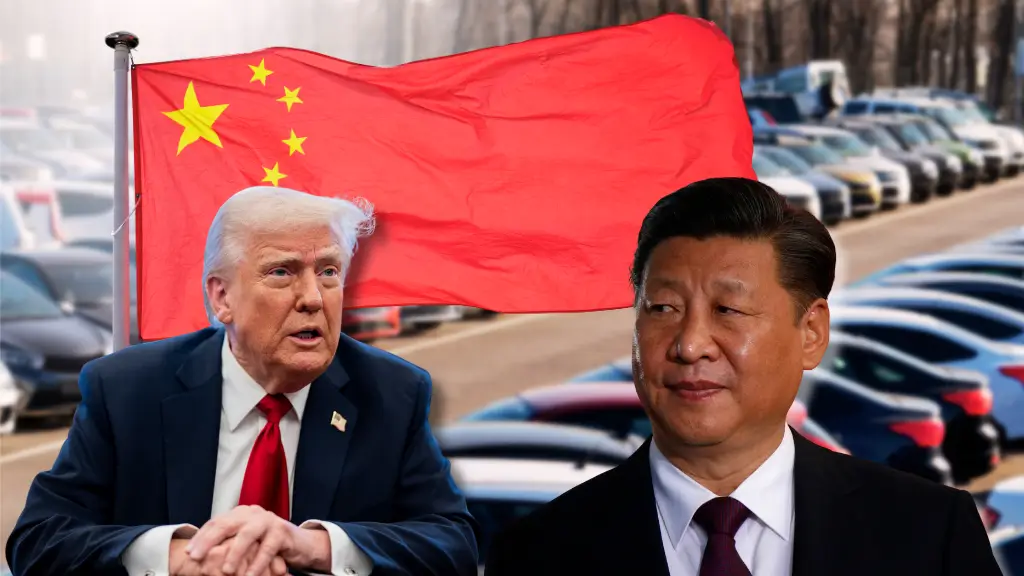
A 100% tariff on Chinese-made EVs has blocked them from American showrooms since 2024. President Trump meets with Chinese leader Xi Jinping in Beijing this week, and the auto industry is watching closely. A shift in trade talks could open the U.S. market to Chinese EVs for the first time.
Some members of Congress are pushing to keep Chinese cars out of the U.S. Sen. Bernie Moreno, R-Ohio, and Sen. Elissa Slotkin, D-Mich., introduced the Connected Vehicle Security Act of 2026, a bipartisan bill that would ban Chinese vehicles and connected technologies from U.S. roads. The bill has broad support from U.S. automakers and industry trade groups.
Exports are expected to become the primary growth driver for China’s auto industry. AlixPartners projects Chinese passenger car exports could rise 20% in 2026. Beijing has made progress on tariff talks with the EU and Canada. If U.S. trade negotiations shift, the competitive landscape for American dealers could change quickly.