TSLA399.15017.56%
GM80.8501.45%
F14.7100.41%
RIVN15.5400.78%
CYD47.9200.01%
HMC27.0700.96%
TM174.9502.92%
CVNA67.8200.57%
PAG181.0202.84%
LAD312.6607.83%
AN194.0700.86%
GPI324.910-1.19%
ABG199.4801.35%
SAH84.2500.1%
TSLA399.15017.56%
GM80.8501.45%
F14.7100.41%
RIVN15.5400.78%
CYD47.9200.01%
HMC27.0700.96%
TM174.9502.92%
CVNA67.8200.57%
PAG181.0202.84%
LAD312.6607.83%
AN194.0700.86%
GPI324.910-1.19%
ABG199.4801.35%
SAH84.2500.1%
TSLA399.15017.56%
GM80.8501.45%
F14.7100.41%
RIVN15.5400.78%
CYD47.9200.01%
HMC27.0700.96%
TM174.9502.92%
CVNA67.8200.57%
PAG181.0202.84%
LAD312.6607.83%
AN194.0700.86%
GPI324.910-1.19%
ABG199.4801.35%
SAH84.2500.1%

Ford and Geely explore U.S. technology collaboration as talks shift focus to Europe

Discussions around bringing Chinese automotive technology into the U.S. have stalled as Ford and Geely prioritize a European partnership amid regulatory and political challenges.

Geely

On the Dash:

  • Ford and Geely explored a U.S. technology partnership, but talks have stalled.
  • Both companies are prioritizing a European deal focused on shared production and technology.
  • Regulatory barriers and political pressure continue to limit Chinese automaker entry into the U.S. market.

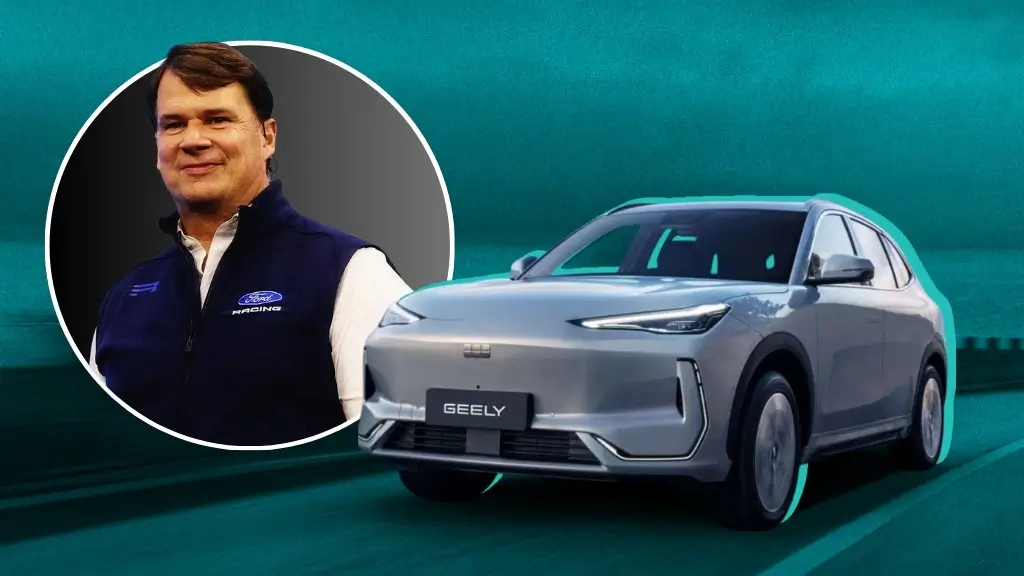
    Ford Motor and Geely held talks as recently as this year to explore whether a potential European partnership could extend into the United States, including the possibility of Ford licensing Geely technology.

    Those discussions have stalled in recent months, according to people familiar with the matter, as both companies shift focus to negotiating a deal centered on sharing technology and manufacturing capacity in Europe.

    Sign up for CBT News’ daily newsletter and get the latest industry stories delivered straight to your inbox

    Geely, China’s second-largest automaker behind BYD, is seeking to expand into the U.S. market, where Chinese automakers face significant barriers. The U.S. imposes high tariffs on Chinese-made vehicles and restricts the market entry of Chinese connected-vehicle software, limiting direct market access.

    Any collaboration in the U.S. would face political scrutiny. Jim Farley said recently that Chinese-made vehicles should not be allowed into the U.S. without a plan to protect domestic jobs. Ford has said it remains focused on protecting its home market and maintaining a level competitive playing field.

    At the same time, policy signals remain mixed. Donald Trump has supported maintaining 100% tariffs on Chinese-made vehicles, but has also indicated openness to Chinese automakers building vehicles in the U.S.

    Chinese automakers have gained global momentum with lower-cost electric and hybrid vehicles supported by government subsidies, intensifying competition for U.S., European and Asian manufacturers.

    While U.S. collaboration remains uncertain, Ford and Geely continue discussions in Europe, where Chinese brands are rapidly gaining market share. The talks include potential use of Ford’s plant near Valencia, Spain, to support production and mitigate tariffs.

    A U.S. partnership involving Geely technology would mark the first such collaboration between a Detroit automaker and a Chinese manufacturer, but regulatory constraints and geopolitical tensions remain key obstacles.
More from Global Industry News
Unifor rejects concessions ahead of Detroit Three contract talks

Unifor rejects concessions ahead of Detroit Three contract talks

- June 8, 2026
On the Dash: Unifor enters negotiations seeking gains, not concessions, signaling the potential for higher labor costs at Detroit Three operations in Canada. Tariffs and plant idlings remain major bargaining...
Could legacy brands become China's ticket into the U.S.?

Could legacy brands become China’s ticket into the U.S.?

- June 5, 2026
Welcome back to the latest episode of The Future of Automotive on CBT News, where we put recent automotive and mobility news into the context of the broader themes impacting the industry. I’m...
Volvo global sales fall 5.5% as China weakness offsets EV gains in Europe

Volvo global sales fall 5.5% as China weakness offsets EV gains in Europe

- June 3, 2026
On the Dash: Volvo's global sales declined 5.5% year over year, reflecting ongoing pressure in China and uneven EV demand in key markets. U.S. deliveries showed early signs of improvement,...
U.S. eases some Taiwan tariffs under trade agreement

U.S. eases some Taiwan tariffs under trade agreement

- May 28, 2026
On the Dash: Tariff relief may lower input costs for auto suppliers using Taiwanese precision parts and electronics. There is a 15% cap on duties, which provides pricing stability for...