On the Dash:
- Tesla continues to use software updates to drive recurring revenue, particularly through simplified FSD subscription access and usage tracking.
- Hardware dependency is increasing, creating a clearer distinction between legacy and new-vehicle capabilities.
- Incremental software updates remain central to Tesla’s ownership experience, reinforcing long-term customer engagement.
Tesla has begun rolling out its Spring 2026 software update, introducing a range of new features aimed at expanding in-car AI functionality, improving safety systems and increasing adoption of its Full Self-Driving (FSD) subscription.
The update includes a redesigned self-driving app, hands-free voice activation through “Hey Grok,” and automatic overnight software installation, reflecting Tesla’s continued push to differentiate through software capabilities.
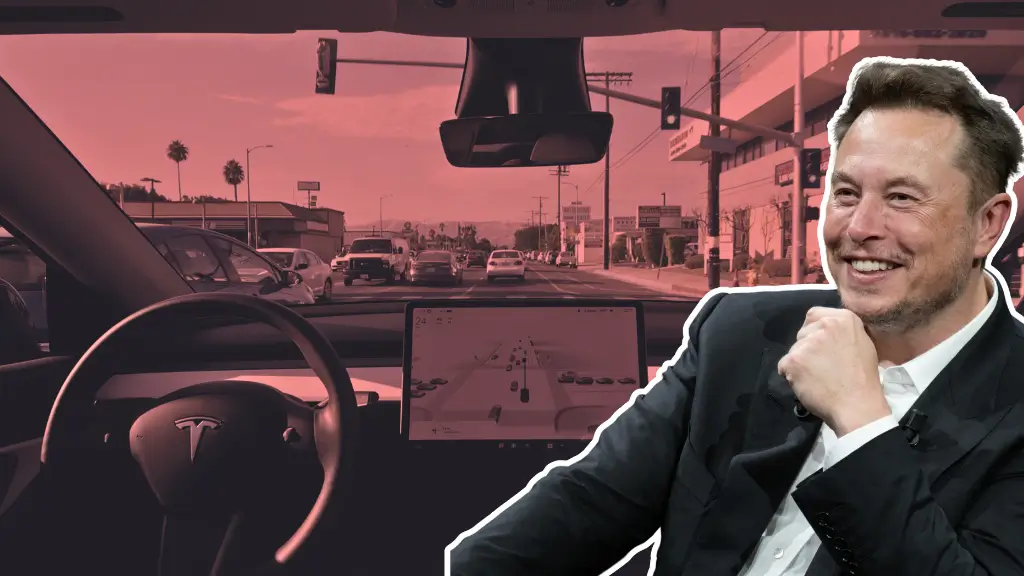
A central feature is the new self-driving app, which allows eligible owners with newer AI4 hardware to subscribe to FSD with a single tap and monitor usage through built-in performance tracking and daily engagement metrics.
Tesla also expanded its in-car AI assistant, enabling drivers to activate Grok with a wake phrase and set location-based reminders. However, the assistant still lacks deeper vehicle control integration, limiting its functionality compared to some competitors.
Notably, safety and convenience updates include enhanced blind-spot alerts using interior lighting, extended dashcam storage up to 24 hours, and improved weather mapping. Vehicles can now automatically install updates overnight, eliminating the need for manual approval.
Additional features include:
- Upgraded vehicle visualization
- Multi-trip energy tracking
- Customizable Pet Mode displays
- Expanded in-car entertainment and personalization options.
While the update introduces incremental improvements, many features are limited to newer hardware, reinforcing a growing divide between Tesla’s latest vehicles and older models.