On the Dash:
• Tesla logged zero autonomous test miles in California in 2025.
• The company has not applied for higher-level driverless permits.
• California deployment remains central to Tesla’s robotaxi strategy.
Tesla has not taken the steps required to launch a driverless robotaxi service in California, despite repeated public statements from CEO Elon Musk that the company is close to deployment pending regulatory approval.
According to previously unreported records from the California Department of Motor Vehicles and a state spokesperson, Tesla logged zero miles of autonomous test driving on California roads in 2025. The company has not reported any autonomous test miles in the state since 2019 and has documented just 562 miles in total since 2016.
Under California’s regulatory framework, companies must log test miles and progress through a series of permits before operating a commercial driverless ride-hailing service. Documented test miles are central to that process. Tesla currently holds only an entry-level DMV permit that allows testing of driverless vehicles with a human safety monitor in the driver’s seat. A DMV spokesperson confirmed to Reuters that Tesla has not applied for additional permits.
Proposed DMV regulations expected to be finalized later this year would require companies to log at least 50,000 autonomous miles on public roads with a safety driver before applying to test without one. Tesla has not met that threshold.
Operating driverless vehicles in California, the largest U.S. auto market, is widely viewed as critical to Tesla’s long-term strategy. Much of the company’s $1.5 trillion market value is tied to investor expectations that it will deploy a large-scale robotaxi fleet and sell autonomous-driving software subscriptions.
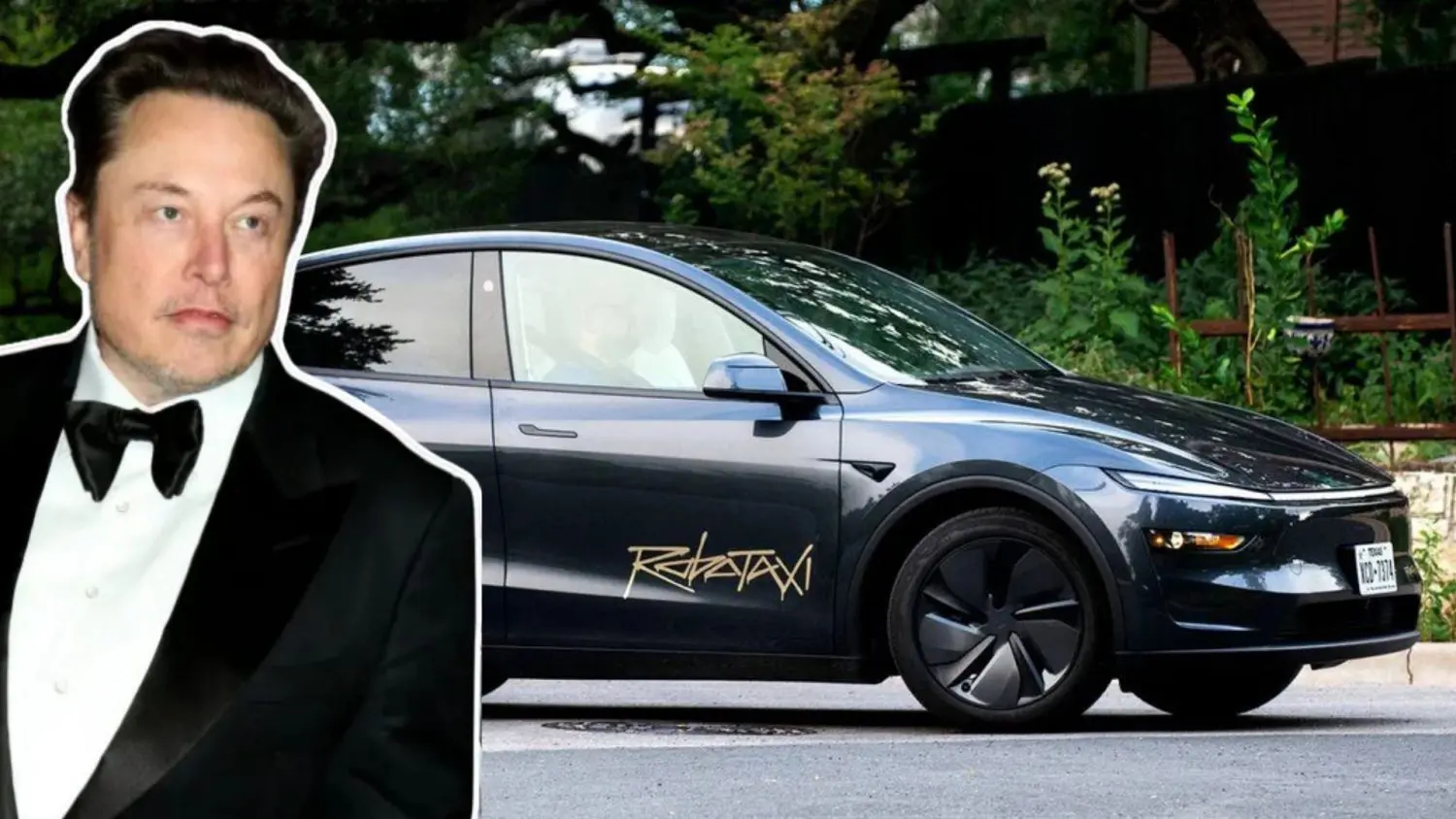
Tesla operates a limited robotaxi service in Austin, Texas, where regulatory requirements are less extensive than in California. In the San Francisco Bay Area, Tesla began offering what it called a robotaxi service in July.
However, the service uses human drivers operating vehicles equipped with Tesla’s Full Self-Driving driver-assistance software, which is not fully autonomous, according to state regulators and Tesla’s own customer disclosures.
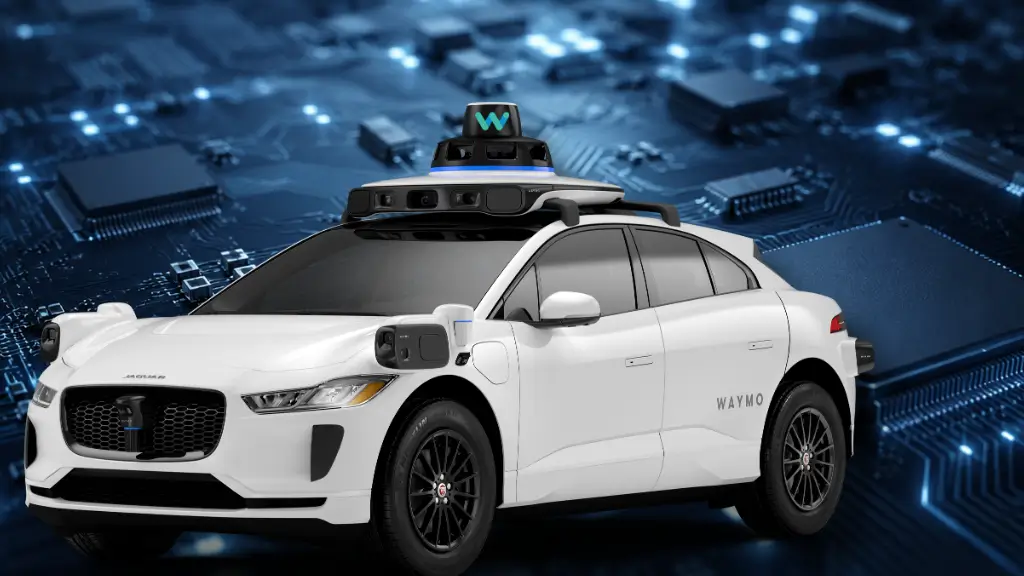
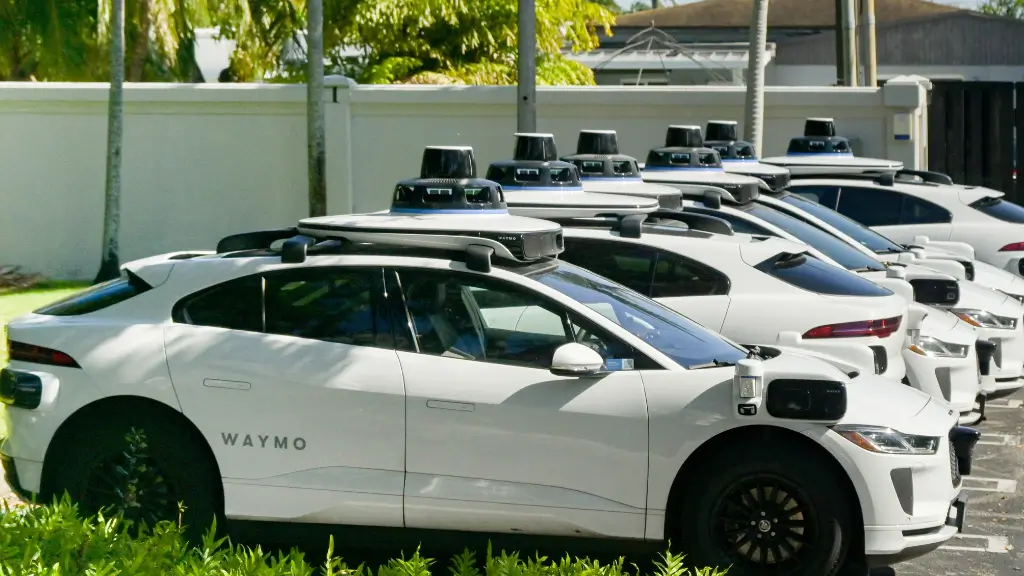
By comparison, Waymo logged more than 13 million autonomous testing miles between 2014 and 2023 and secured seven regulatory approvals before receiving permission to charge passengers for driverless rides. Waymo is one of three companies permitted to commercially operate driverless vehicles in California and the only one approved to run a large-scale robotaxi fleet.
In written comments last year, Tesla criticized proposed DMV rule changes, questioning the need for minimum mile requirements and state-road testing. The company also objected to what it described as burdensome reporting requirements for crashes and system failures. Musk has repeatedly cited California’s lengthy approval process as a hurdle, saying in October 2024 that he would be surprised if Tesla did not gain approval the following year.
For now, state records show Tesla has not advanced beyond the earliest stage of California’s driverless permitting system.