TSLA354.8101.97%
GM77.000-3.47%
F12.050-0.2539%
RIVN14.940-0.03%
CYD31.030-1.58%
HMC31.600-0.49%
TM183.100-3.615%
CVNA62.555-1.065%
PAG200.340-1.44%
LAD291.8302.57%
AN157.4400.64%
GPI240.450-0.48%
ABG172.300-1.65%
SAH60.3500.5%
TSLA354.8101.97%
GM77.000-3.47%
F12.050-0.2539%
RIVN14.940-0.03%
CYD31.030-1.58%
HMC31.600-0.49%
TM183.100-3.615%
CVNA62.555-1.065%
PAG200.340-1.44%
LAD291.8302.57%
AN157.4400.64%
GPI240.450-0.48%
ABG172.300-1.65%
SAH60.3500.5%
TSLA354.8101.97%
GM77.000-3.47%
F12.050-0.2539%
RIVN14.940-0.03%
CYD31.030-1.58%
HMC31.600-0.49%
TM183.100-3.615%
CVNA62.555-1.065%
PAG200.340-1.44%
LAD291.8302.57%
AN157.4400.64%
GPI240.450-0.48%
ABG172.300-1.65%
SAH60.3500.5%

Toyota retains global sales crown in 2025 as hybrid demand offsets US tariffs

Strong U.S. hybrid sales and local production helped Toyota post record global volume despite higher U.S. auto tariffs.

Toyota, global sales

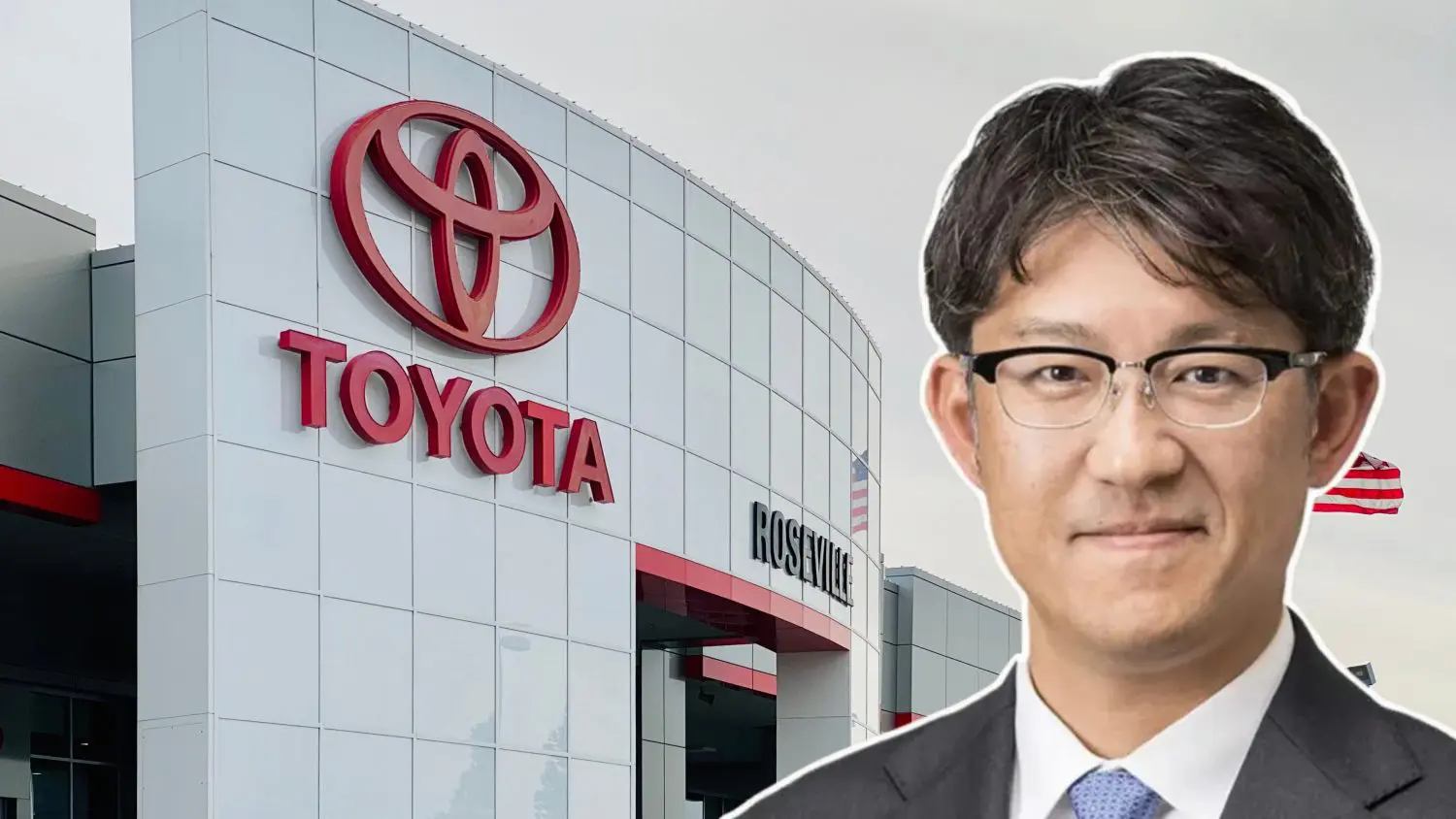
Toyota CEO Koji Sato

On the Dash:

  • Toyota’s hybrid-heavy lineup and U.S. manufacturing footprint helped it endure higher tariffs and deliver record global sales.
  • Absorbing tariff costs rather than raising prices proved effective in sustaining U.S. demand and market share.
  • Rivals that rely more on imports, like Hyundai, face sharper profit pressure from trade policy volatility.

Toyota retained its position as the world’s top-selling automaker in 2025, reporting record global sales of 10.5 million vehicles, supported by rising hybrid demand and disciplined cost controls.

Combined sales of Toyota and its Lexus luxury brand rose 3.7% from a year earlier, outpacing Volkswagen Group’s 9 million vehicles and Hyundai Motor Group’s 7.27 million units.

U.S. demand for hybrid models such as the Prius and RAV4 played a key role. Toyota and Lexus sales in the U.S. climbed 7.3% to 2.93 million vehicles, even as President Trump imposed tariffs on Japanese automotive imports. Those levies were initially set at 25% before being reduced to 15%.

Sign up for CBT News’ daily newsletter and get the latest industry stories delivered straight to your inbox. 

Toyota absorbed much of the added tariff cost rather than raising prices broadly, while expanding local production and tightening cost controls. The automaker estimated in November that U.S. tariffs would cost 1.45 trillion yen in its fiscal year ending March 2026, but later raised its full-year operating profit forecast, citing efficiency gains and strong demand outside the U.S.

Meanwhile, rival Hyundai also reported global revenue growth of more than 6% in 2025, supported by U.S. hybrid sales, but its operating profit fell 19.5% as U.S. tariffs cost the company 4.1 trillion won.

Notably, South Korea and the U.S. agreed last year to lower tariffs on most South Korean products, including vehicles, to 15% beginning in November. President Trump on Monday threatened to raise the rate back to 25%, prompting Hyundai shares to fall nearly 5%.

Hyundai produced about 40% of the vehicles it sold in the U.S. last year and plans to increase local output at its Georgia facilities to more than 80% by 2030. Toyota, which relied on imports for roughly one-fifth of its U.S. sales, has continued expanding U.S. manufacturing focused on hybrids.

Toyota is scheduled to report fiscal third-quarter earnings on Feb. 6, with analysts expecting operating profit to rise nearly 30% from a year earlier, according to Reuters estimates.

More from Industry News
Ford’s Farley says F-150 supplier issues are fixed, sounds alarm on trades training

Ford’s Farley says F-150 supplier issues are fixed, sounds alarm on trades training

- October 1, 2026
On the Dash: Farley said the F-150 supplier issue is fixed but will reduce third-quarter wholesale shipments.  Dealers held about 40 days of pickup supply, below Ford's 50- to 60-day...
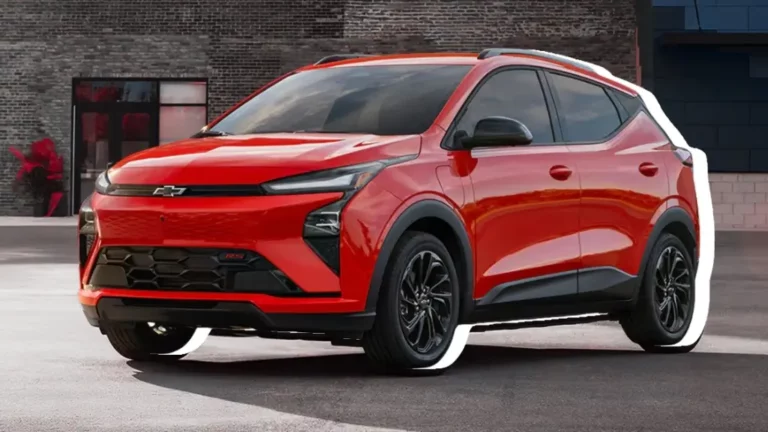
Chevy Bolt production target reportedly cut to 35,000 units

Chevy Bolt production target reportedly cut to 35,000 units

- October 1, 2026
On the Dash: UAW documents reportedly show GM targeting 35,000 revived Bolts, down sharply from the 150,000 units the Fairfax plant could potentially produce. The 2027 Bolt returns with updated...
Filosa says Stellantis turnaround plan will pay off by 2027

Filosa says Stellantis turnaround plan will pay off by 2027

- October 1, 2026
On the Dash: Stellantis is holding its 2026 guidance, with positive industrial free cash flow expected in 2027. Industrial free cash flow targets reach 3 billion euros in 2028 and...
GM and LG expand LMR battery production with 500 new Tennessee jobs

GM and LG expand LMR battery production with 500 new Tennessee jobs

- September 30, 2026
On the Dash: Ultium Cells plans to become the first manufacturer to commercially produce LMR prismatic battery cells, with production expected to begin after facility upgrades are completed in 2028. ...
CBT News
Privacy Overview

This website uses cookies so that we can provide you with the best user experience possible. Cookie information is stored in your browser and performs functions such as recognising you when you return to our website and helping our team to understand which sections of the website you find most interesting and useful.