On the Dash:
- The Federal Reserve is expected to hold interest rates steady, prolonging pressure on auto loan affordability and dealership financing costs.
- Dealers and automakers will closely watch Fed guidance for signals on when rate cuts could support vehicle demand later this year.
- Political and fiscal uncertainty, including potential government shutdown risks, adds volatility to consumer confidence and industry planning.
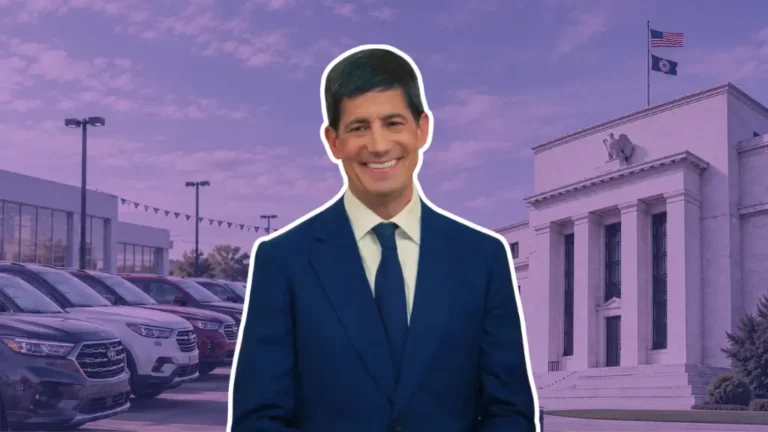
The Federal Reserve is expected to leave interest rates unchanged when its policy meeting concludes later today, a decision that carries substantial implications for automakers, dealers, and consumers navigating elevated borrowing costs.
Markets see virtually no chance of a rate move this week, according to futures pricing, as policymakers are taking a wait-and-see approach as last year’s rate cuts continue to work through the economy. For the automotive industry, the pause keeps pressure on vehicle affordability, auto loan rates, and floorplan financing, even as demand remains uneven across segments.
While the rate decision itself is unlikely to surprise, attention will center on the Fed’s post-meeting policy statement and Chair Jerome Powell’s news conference for signals about the path ahead. Investors currently expect one or two rate cuts later this year, most likely around midyear and December, timing that could materially affect showroom traffic and incentive strategies.
The Fed ultimately held rates steady Wednesday, with policymakers pointing to a stabilizing labor market and inflation that remains above the central bank’s 2% target. Two governors, Christopher Waller and Stephen Miran, dissented in favor of a quarter-point cut, underscoring internal divisions that could shape policy later this year.
Financing conditions remain a critical variable for vehicle sales, with higher interest rates continuing to push monthly payments higher, particularly for new vehicles, while also increasing the cost of dealer inventory financing. Any indication that the Fed is preparing to resume easing could help improve consumer sentiment and unlock pent-up demand.
In a post-meeting statement, the Fed described economic growth as “solid,” a shift from prior language that characterized growth as “moderate.” Notably, the central bank removed earlier references to rising downside risks in the labor market, a change that suggests officials see employment conditions as more stable. For dealers, that outlook supports expectations of steady, but not accelerating, consumer demand in the near term.
Meanwhile, internal debate among Federal Open Market Committee members has focused on the pace of disinflation and the strength of the labor market. Recent data showing stable employment and steady economic activity have supported the case for patience. However, some economists expect the Fed to maintain an easing bias if inflation continues to cool.
Powell acknowledged that consumer spending has remained resilient, while housing-sector activity continues to lag. He also said much of the inflationary impact from tariffs has already worked its way through the economy, a factor that could reduce upward price pressure on vehicles and parts if broader trade conditions remain stable.
At the same time, broader fiscal risks are emerging. The U.S. government faces the possibility of a partial shutdown beginning Saturday if Congress fails to pass a funding package. A shutdown could weigh on consumer confidence, disrupt federal workers’ income, and introduce new volatility into financial markets, factors that have historically affected vehicle sales.
Automakers and dealers are already contending with shifting demand patterns, slower EV adoption in some segments, and cautious consumer spending. Against that backdrop, even subtle changes in Fed messaging could influence inventory planning, promotional activity, and financing offers in the months ahead.
For the automotive industry, this week’s Fed meeting may deliver little immediate action, but its guidance could shape the cost of doing business and the pace of vehicle demand well into the year.
*Editor’s note: This story was updated on Jan. 28, following the Federal Reserve’s final interest rate call.*