On the Dash:
- Volkswagen said Trump’s 25% auto tariffs violate commitments made under the USMCA.
- The automaker urged tariff relief instead of stricter rules of origin during the 2026 review.
- The outcome of the USMCA review could significantly affect vehicle costs and pricing in North America.
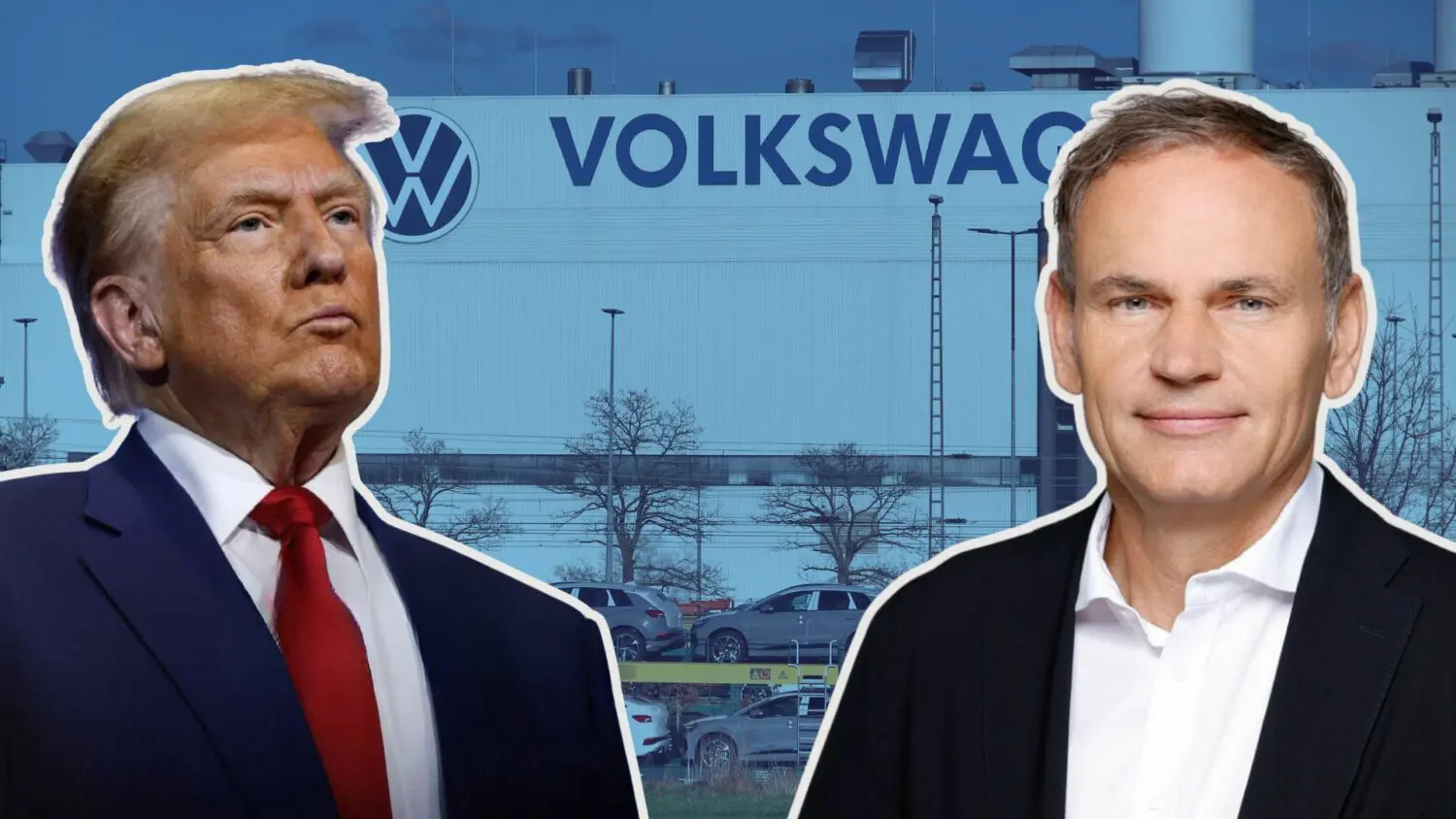
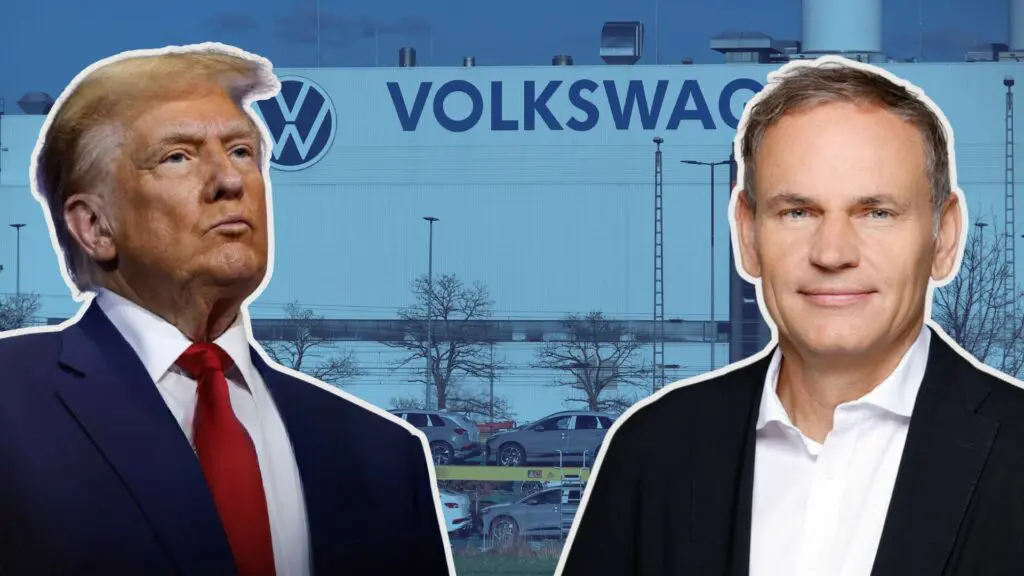
German automaker Volkswagen has publicly stated that President Donald Trump’s 25% tariffs on Mexican and Canadian automotive goods violate binding USMCA commitments negotiated during the president’s first term. The company submitted its position to the Office of the U.S. Trade Representative as part of an auto-specific comment process ahead of the USMCA’s mandatory 2026 review.
VW argued that the tariffs are harming the U.S. automotive industry and undermining long-term investments made to comply with USMCA requirements. According to the automaker, the current tariff structure disrupts supply chains that were designed around the agreement’s rules and increases costs for manufacturers operating across North America.
As part of the upcoming review, Volkswagen urged U.S. trade officials to prioritize tariff relief over stricter rules of origin. The company warned that tightening content requirements could further strain affordability in the U.S. auto market by driving up vehicle production costs. Volkswagen said those added costs would ultimately affect pricing and consumer demand.
The Detroit Three, represented by the American Automotive Policy Council, have also pressed the Trump administration to preserve the USMCA largely as written. Their position aligns with concerns that reopening core provisions could destabilize supply networks that have already undergone significant restructuring since the agreement took effect.
Trump imposed 25% tariffs on imports from Mexico and Canada last year, citing national security concerns. While the administration later granted limited exemptions for U.S. content and qualifying auto parts, substantial tariffs remain in place for many vehicles and components moving across North American borders.
Automotive rules of origin were a central feature of the USMCA negotiations and continue to shape how automakers design and source vehicles. These requirements determine whether vehicles qualify for tariff-free treatment and directly influence manufacturing locations, supplier relationships, and investment decisions.
The outcome of the 2026 USMCA review is expected to play a major role in shaping future vehicle costs, sourcing strategies, and pricing across the North American auto market.