TSLA391.060-3.4%
GM77.7200.08%
F14.1800%
RIVN17.090-0.71%
CYD44.720-1.15%
HMC28.7700.88%
TM179.7602.84%
CVNA70.6400.05%
PAG204.7504.35%
LAD339.1607.79%
AN209.0005.46%
GPI331.65012.25%
ABG226.6608.23%
SAH102.8103.08%
TSLA391.060-3.4%
GM77.7200.08%
F14.1800%
RIVN17.090-0.71%
CYD44.720-1.15%
HMC28.7700.88%
TM179.7602.84%
CVNA70.6400.05%
PAG204.7504.35%
LAD339.1607.79%
AN209.0005.46%
GPI331.65012.25%
ABG226.6608.23%
SAH102.8103.08%
TSLA391.060-3.4%
GM77.7200.08%
F14.1800%
RIVN17.090-0.71%
CYD44.720-1.15%
HMC28.7700.88%
TM179.7602.84%
CVNA70.6400.05%
PAG204.7504.35%
LAD339.1607.79%
AN209.0005.46%
GPI331.65012.25%
ABG226.6608.23%
SAH102.8103.08%

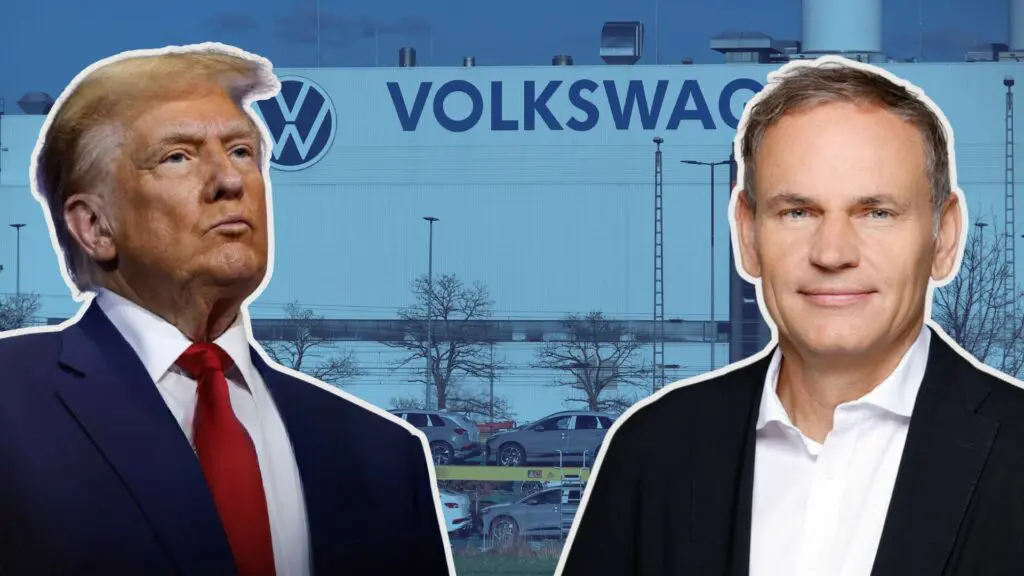
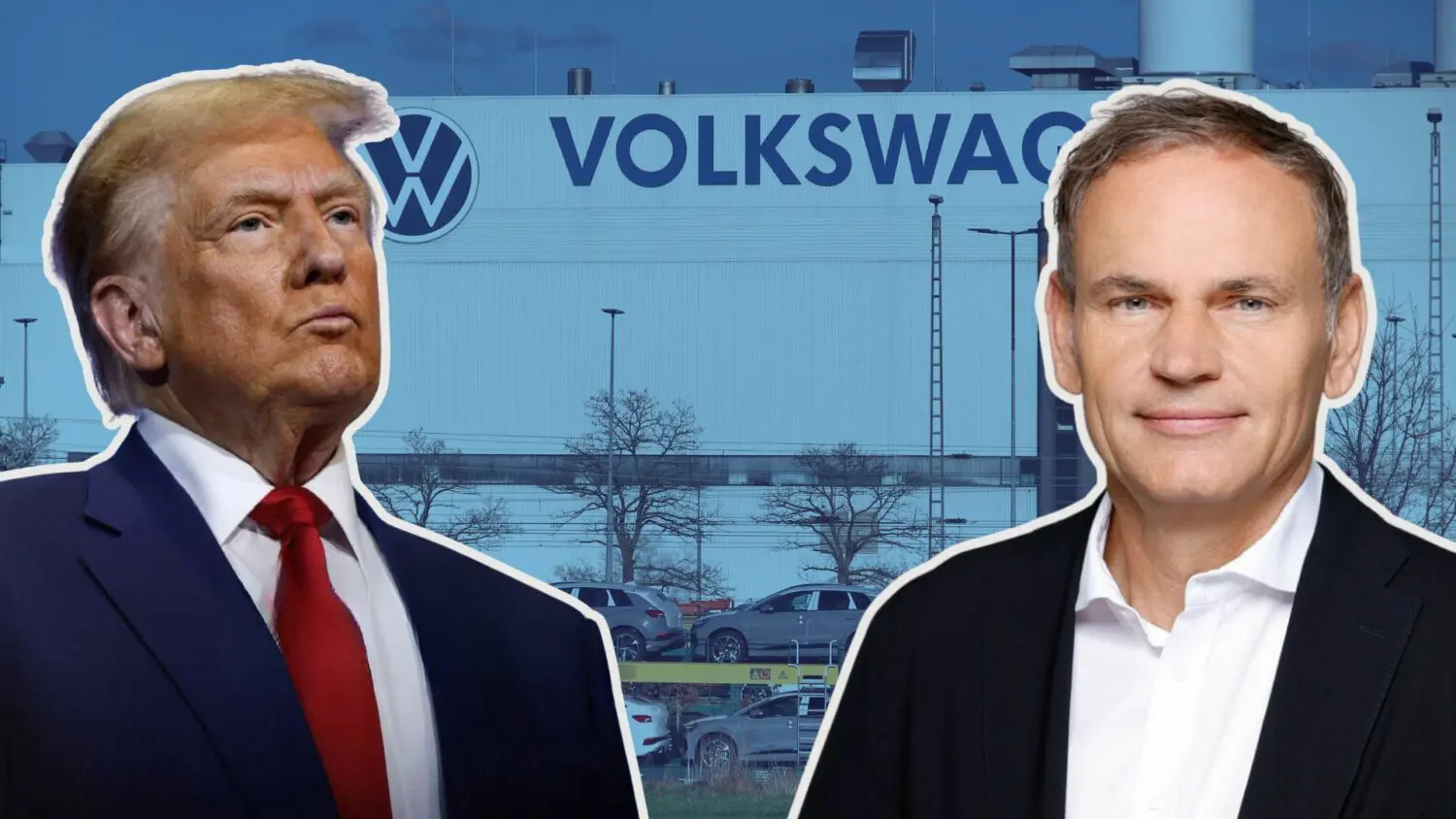
Volkswagen argues Trump auto tariffs violate USMCA commitments

Volkswagen urged U.S. trade officials to prioritize tariff relief, warning that stricter content rules could raise vehicle costs and reduce affordability.

Volkswagen says Trump’s 25% auto tariffs violate USMCA commitments and urges tariff relief ahead of the trade pact’s 2026 review.

On the Dash:

  • Volkswagen said Trump’s 25% auto tariffs violate commitments made under the USMCA.
  • The automaker urged tariff relief instead of stricter rules of origin during the 2026 review.
  • The outcome of the USMCA review could significantly affect vehicle costs and pricing in North America.

German automaker Volkswagen has publicly stated that President Donald Trump’s 25% tariffs on Mexican and Canadian automotive goods violate binding USMCA commitments negotiated during the president’s first term. The company submitted its position to the Office of the U.S. Trade Representative as part of an auto-specific comment process ahead of the USMCA’s mandatory 2026 review.

VW argued that the tariffs are harming the U.S. automotive industry and undermining long-term investments made to comply with USMCA requirements. According to the automaker, the current tariff structure disrupts supply chains that were designed around the agreement’s rules and increases costs for manufacturers operating across North America.

Sign up for CBT News’ daily newsletter and get the latest industry stories delivered straight to your inbox.

As part of the upcoming review, Volkswagen urged U.S. trade officials to prioritize tariff relief over stricter rules of origin. The company warned that tightening content requirements could further strain affordability in the U.S. auto market by driving up vehicle production costs. Volkswagen said those added costs would ultimately affect pricing and consumer demand.

The Detroit Three, represented by the American Automotive Policy Council, have also pressed the Trump administration to preserve the USMCA largely as written. Their position aligns with concerns that reopening core provisions could destabilize supply networks that have already undergone significant restructuring since the agreement took effect.

Trump imposed 25% tariffs on imports from Mexico and Canada last year, citing national security concerns. While the administration later granted limited exemptions for U.S. content and qualifying auto parts, substantial tariffs remain in place for many vehicles and components moving across North American borders.

Automotive rules of origin were a central feature of the USMCA negotiations and continue to shape how automakers design and source vehicles. These requirements determine whether vehicles qualify for tariff-free treatment and directly influence manufacturing locations, supplier relationships, and investment decisions.

The outcome of the 2026 USMCA review is expected to play a major role in shaping future vehicle costs, sourcing strategies, and pricing across the North American auto market.
Read More
More from Industry News
Stellantis to prioritize four core brands in turnaround strategy, sources say The automaker plans to shift funding toward Jeep, Ram, Peugeot, and Fiat while maintaining its broader portfolio. On the Dash: Expect increased product investment and marketing support for Jeep, Ram, Peugeot and Fiat. Regional and niche brands may see reduced volume but more targeted positioning and shared platforms. Platform-sharing and rebadging strategies could affect inventory mix and model differentiation. Stellantis will concentrate most of its investment on four core brands as CEO Antonio Filosa pushes a turnaround strategy set for release May 21, according to a Reuters exclusive. The automaker has identified Jeep, Ram, Peugeot, and Fiat as its priority brands. It will allocate a “material increase” in funding to them, driven by their stronger global sales and profitability, marking a shift away from the company’s previous approach of distributing investment more evenly across its portfolio. Sign up for CBT News’ daily newsletter and get the latest industry stories delivered straight to your inbox. Stellantis will retain its 14-brand lineup, the largest in the industry, and will not shut down underperforming marques. Instead, the company will reposition secondary brands such as Citroën, Opel and Alfa Romeo to operate in regional or niche roles. These brands will rely on shared platforms and technology developed by the core brands while maintaining distinct styling and market identity. The strategy comes as Stellantis works to regain market share in the United States and Europe while facing growing competition from Chinese EV makers. The company earlier reported a 22.2 billion-euro charge tied to scaling back its EV plans, underscoring the urgency of the strategic shift. Its market valuation has also declined significantly in recent months. To support the transition, Stellantis will expand its use of shared “multi-energy” platforms that support electric, hybrid and internal combustion (ICE) vehicles. Additionally, the company is evaluating rebadging strategies and joint development programs, including collaborations with its Chinese partner, Leapmotor. Executives and investors backing the plan expect the increased focus on core brands to improve efficiency and strengthen financial performance. Analysts say Stellantis could still consider further consolidation if results fall short of expectations. Meta description (140 characters) Stellantis to boost funding for Jeep, Ram, Peugeot and Fiat, shifting strategy while maintaining its 14-brand global portfolio.

Stellantis revives supplier rewards program to drive cost savings

- July 16, 2026
On the Dash: Lower supplier costs could help Stellantis improve profitability while funding future vehicle launches. Changes in supplier contracts may influence production costs, parts pricing and vehicle availability over...
Mitsubishi expands Texas port operations to speed dealer deliveries

Mitsubishi expands Texas port operations to speed dealer deliveries

- July 16, 2026
On the Dash: Faster distribution could reduce delivery times for Mitsubishi dealers in the Gulf Coast and Midwest. Expanded port capacity gives Mitsubishi greater flexibility if supply chain disruptions occur...
Mexico targets auto, steel tariffs as USMCA review puts North American trade in focus

Mexico targets auto, steel tariffs as USMCA review puts North American trade in focus

- July 15, 2026
On the Dash: Tariff negotiations could influence future vehicle production, sourcing and inventory across North America. Automakers may continue shifting manufacturing plans until long-term USMCA rules become clearer. Dealers should...
Audi 2027 lineup

Audi updates 2027 lineup with simplified trims, new tech, added ownership value

- July 15, 2026
On the Dash: Audi is simplifying trim structures and packaging to make ordering easier while adding more standard technology across its lineup. Every 2027 Audi now includes Audi Signature Care,...
CBT News
Privacy Overview

This website uses cookies so that we can provide you with the best user experience possible. Cookie information is stored in your browser and performs functions such as recognising you when you return to our website and helping our team to understand which sections of the website you find most interesting and useful.