On the Dash:
- New-vehicle inventory remains stable at 3.01 million units with a 90-day supply as automakers manage softening demand.
- Average listing prices continue to rise despite affordability concerns, supported by strong SUV and luxury vehicle performance.
- Automakers are expected to offer targeted incentives on remaining 2025 models as they prepare for a cautious start to 2026.
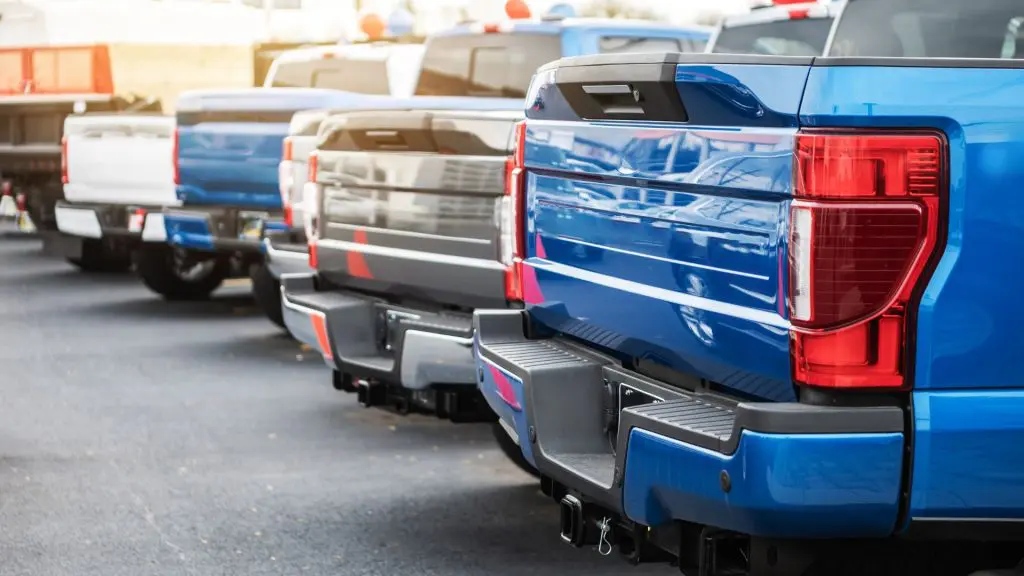
New-vehicle inventory in the U.S. entered December on a steady footing as automakers navigate softening demand and year-end uncertainty. Inventory began the month at 3.01 million units, a 6% decline from early December 2024, according to Cox Automotive’s vAuto Live Market View. The market holds a 90-day supply, only slightly below year-ago levels, with automakers balancing production and demand as they prepare for 2026.
The industry continues to face affordability challenges, yet average listing prices remain firm. New-vehicle prices averaged $49,422 on Dec. 1, up 1.4% year over year. Despite ongoing discussions about more affordable subcompact cars, large SUVs and trucks continue to dominate sales and inventory movement. Automakers are maintaining price discipline even as year-over-year demand weakens, signaling cautious planning rather than aggressive discounting.
Inventory levels have held stable for several months, rising only slightly from 2.97 million units in early November. Sales in November improved compared with October, keeping days’ supply at 90. This trend suggests a disciplined approach that avoids the overproduction seen in past cycles and positions automakers to adjust pricing strategies as needed in 2026.
However, performance across brands varies widely. Toyota and Lexus continue to move vehicles quickly, with supplies of 45 and 44 days, respectively. Meanwhile, Stellantis brands such as Chrysler, Jeep and Ram, along with Audi, remain above 130 days of supply. Brands with a more balanced inventory posture, including Honda, Subaru, BMW and Chevrolet, underscore how closely product-market alignment influences stocking levels.
Affordability pressure is most visible in the $40,000 to $50,000 segment, where days’ supply nears 100. Vehicles priced under $40,000 move faster, while luxury models above $80,000 maintain strong turnover. By early December, 2026 models made up more than 60% of available inventory, and only 0.5% of stock represented model-year 2024, signaling a healthy shift into newer vehicles.
As the year closes, automakers are expected to deploy targeted incentives on slower-turning 2025 models while protecting margins in popular luxury segments. Industry volume is still on track to finish above 2024 levels, but softening demand, affordability concerns and the broader market transition will shape how manufacturers enter the first quarter of 2026.