On the Dash:
- Automakers are urging early USMCA renewal to secure duty-free trade and protect U.S. manufacturing jobs.
- Hyundai says clarity on the deal could unlock over $20 billion in new investments.
- Companies like Tesla and Ford seek regulatory alignment and tariff consistency to strengthen North American competitiveness.
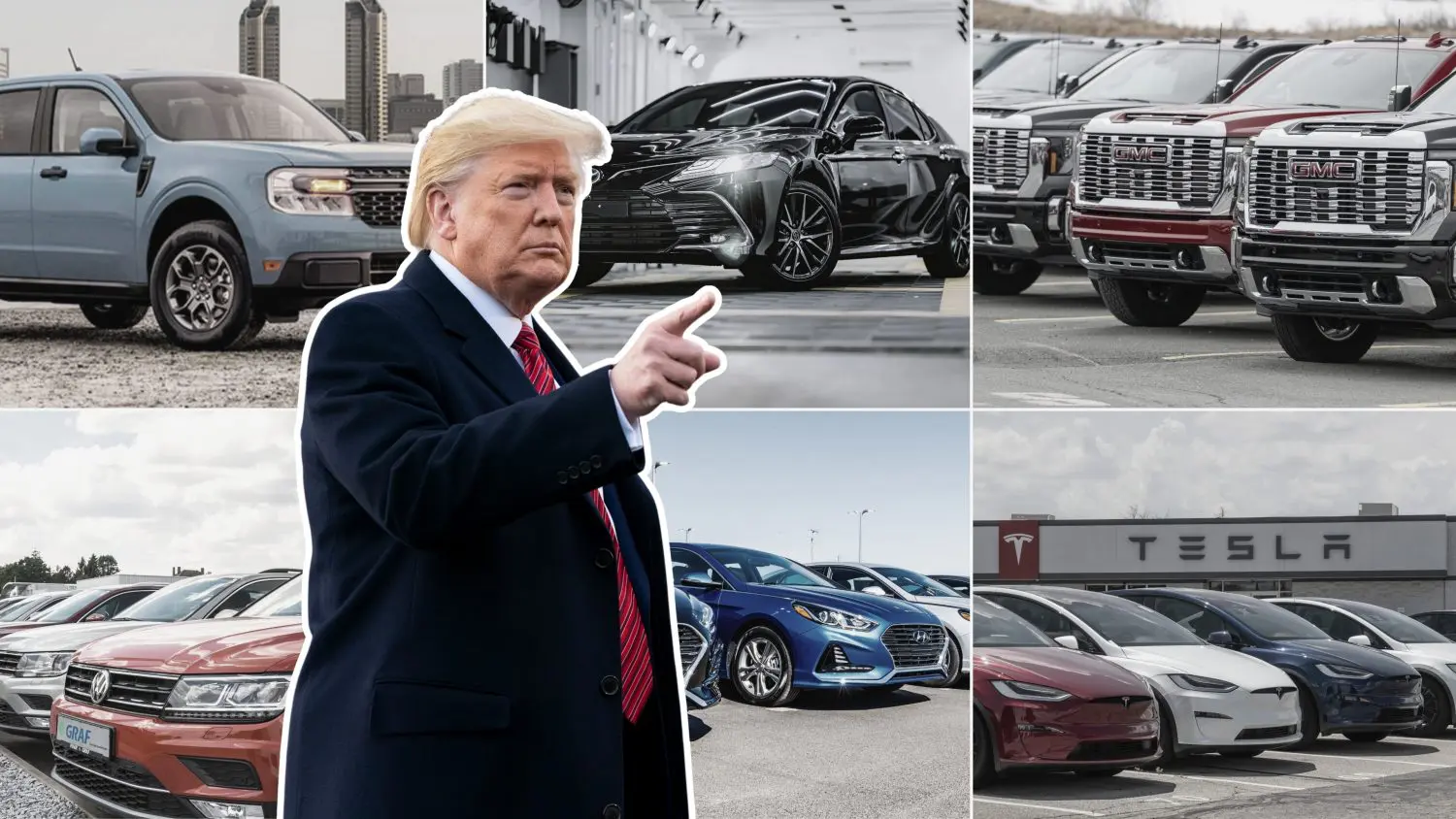
Major automakers, including General Motors, Tesla, Toyota, Hyundai, Volkswagen, and Ford, are calling on the Trump administration to extend the United States-Mexico-Canada Agreement (USMCA), warning that uncertainty over its future could disrupt production, delay investments, and weaken the competitiveness of the North American auto industry.
The appeal, made in filings to the U.S. Trade Representative’s Office ahead of the 2026 formal review of the pact, underscores the industry’s unified stance on maintaining the trade framework that replaced NAFTA in 2020. Automakers argue that USMCA has been vital for preserving duty-free trade across borders, supporting jobs, and ensuring supply chain stability amid growing global competition.
The American Automotive Policy Council, which represents Detroit’s Big Three, said the agreement enables automakers in the U.S. to compete globally through regional integration and “delivers efficiency gains,” accounting for “tens of billions of dollars in annual savings.”
Meanwhile, Hyundai warned that the lack of clarity surrounding the deal is slowing new investments and job creation. The automaker emphasizes that an early confirmation of the USMCA’s extension would unlock over “$20 billion in new American investments” immediately, while each month of uncertainty delays site selection and technology development.
Tesla urged policymakers to maintain the trilateral trade structure and to align regulations across the U.S., Mexico, and Canada. The company recommended adopting a single North American Charging Standard for electric light-duty vehicles and harmonizing automotive safety standards to streamline cross-border trade.
Stellantis added that automakers outside North America should be held to similar content rules under USMCA or face equivalent tariffs. The company cautioned that, with current 15% import duties on Japan, U.S.-made vehicles could continue to lose market share to Asian imports, hurting domestic workers.
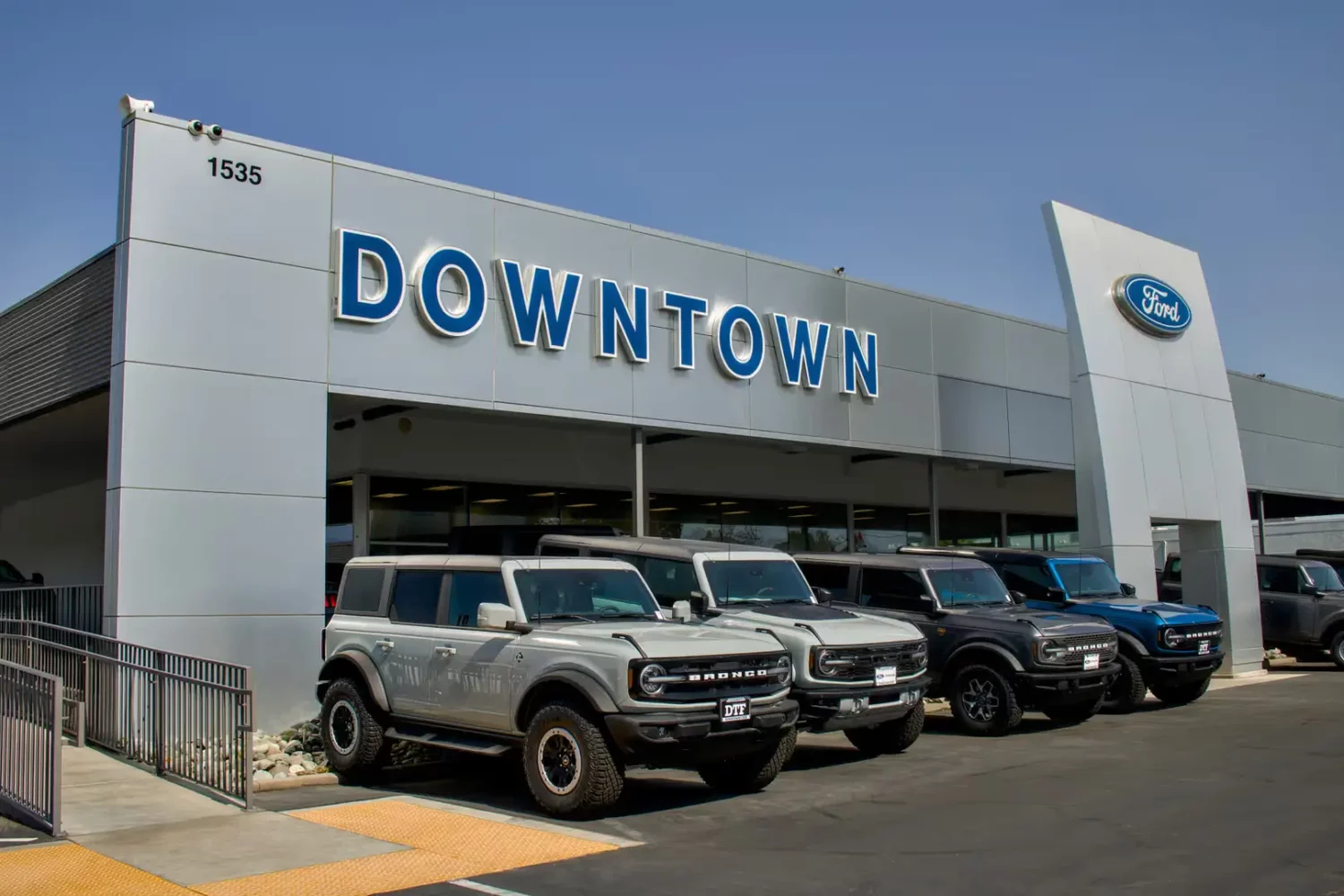
Toyota emphasized the need to preserve duty-free cross-border trade for vehicles and parts that meet USMCA content and labor standards. Ford echoed that sentiment, stating that once the trade agreement is reaffirmed, any national security tariffs “should only apply to countries outside of North America” to protect the region’s competitiveness.
President Donald Trump recently approved tariff relief for imported auto parts used in U.S. production, signaling continued support for strengthening domestic manufacturing. Still, automakers are pressing for earlier assurance on USMCA’s extension to avoid investment slowdowns as the 2026 review approaches.
Industry leaders say policy clarity will be key to maintaining North America’s position as a global automotive hub, especially as electric and hybrid production ramps up and trade barriers continue to evolve.