On the Dash:
- GM Energy boosts EV adoption through expanded charging options.
- The division shows rapid growth, with a 30% monthly revenue increase and a fivefold increase in sales, and 70% of GM EVs now include a GM Energy product.
- GM also leads industry-standardization, partnering with charging networks, supporting NACS, and aiming to install 35,000 new fast chargers by 2030.
General Motors’ GM Energy division is accelerating EV adoption by expanding access to home and public charging and introducing innovative energy products for EV owners. The initiative reflects GM’s commitment to an all-electric future, providing customers with more control over home energy use while supporting the broader transition to electrification.
Over the past 18 months, GM Energy has grown rapidly, reporting 30% month-over-month revenue growth since January and a fivefold increase in sales volume for its charging and energy products. Seven out of 10 GM EVs are now sold with a GM Energy product, including nearly 100,000 adapters designed to connect vehicles to a variety of chargers.
GM Energy now offers 10 products, including bi-directional vehicle-to-home (V2H) charging technology, which allows compatible GM EVs to power properly equipped homes during blackouts. Its PowerBank stationary home energy storage solution extends backup power and stores energy from solar panels or the grid. The company also provides versatile charging adapters to support standardization across different EVs and charging networks.
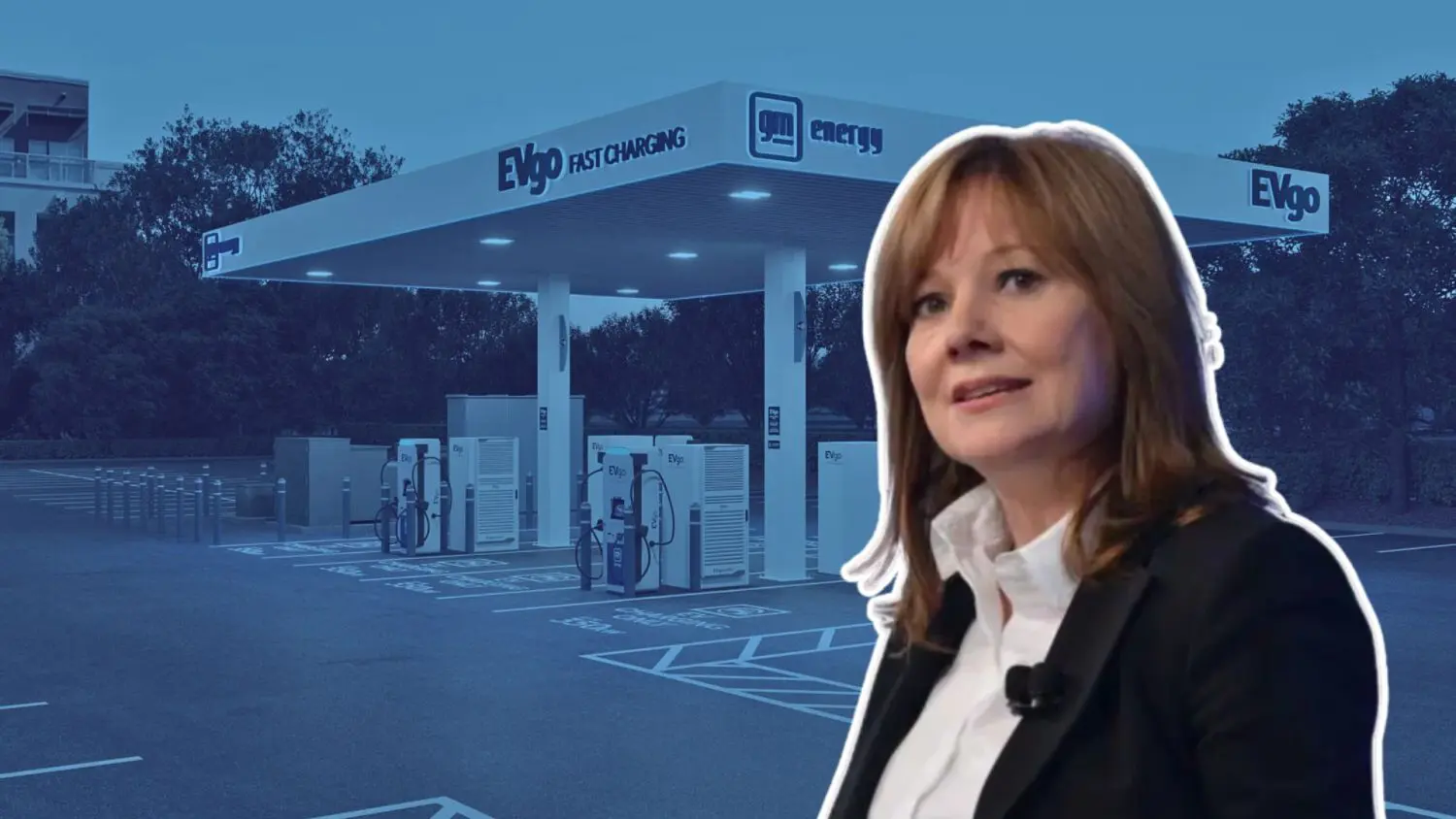
Public charging expansion is a central part of GM Energy’s strategy. The company has partnered with EVgo, Pilot, ChargePoint, and IONNA, a joint venture with other automakers, to invest in GM Energy-branded chargers. GM EV owners now have access to more than 250,000 public chargers across North America, with 35,000 additional fast-charging stalls planned by 2030. Many stations feature amenities such as restrooms, food, retail, weather protection, and layouts designed for truck owners.
GM Energy is also exploring vehicle-to-grid technology that allows EVs to supply power back to the grid. Pilot programs include free overnight charging in Texas and V2H initiatives in California that incentivize customers while paving the way for broader grid integration.
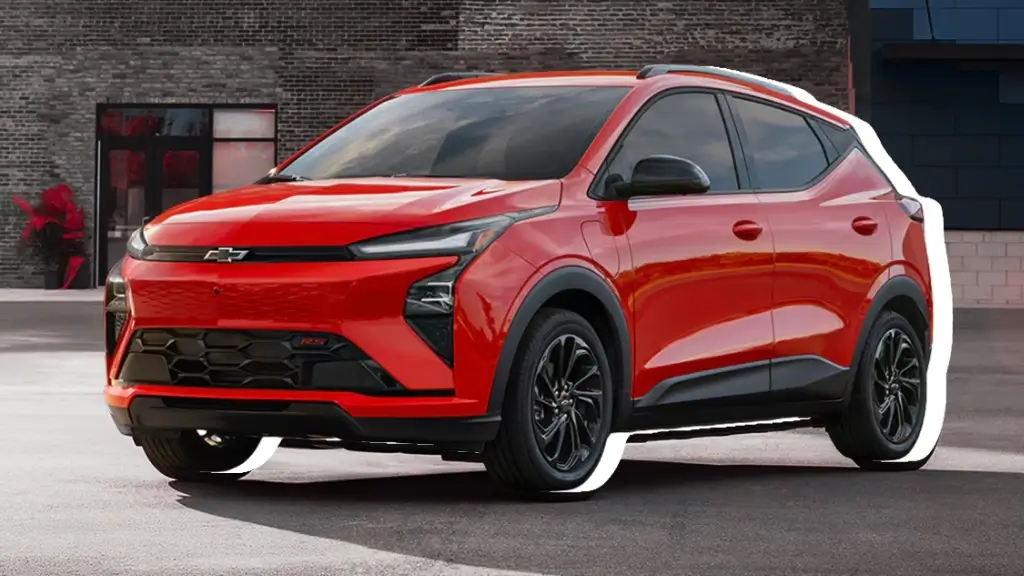
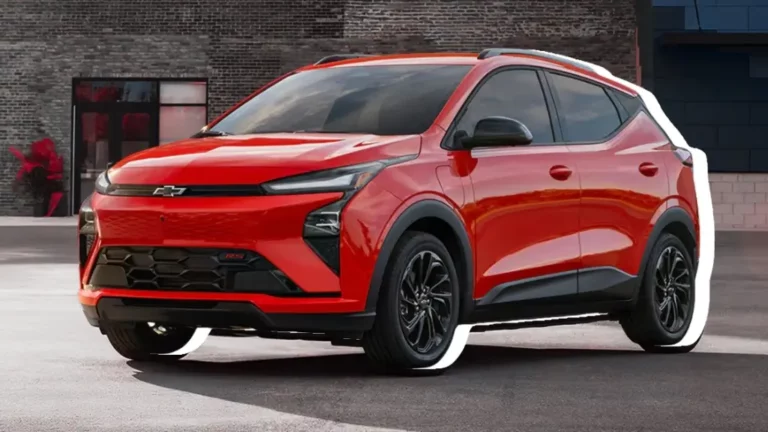
The division has taken a leadership role in industry standards, joining NEMA and advocating for the North American Charging Standard (NACS). GM’s 2026 Cadillac OPTIQ and 2027 Chevrolet Bolt will be the first vehicles with native NACS inlets, simplifying charging access and compatibility.
Internally, GM Energy works closely with product and brand teams to align solutions with customer needs. The company emphasizes innovation, transparency, and convenience, aiming to make EV ownership accessible, reliable, and transformative. It positions itself as a leader in both electrification and energy management, advancing the adoption of electric mobility across North America.