On the Dash:
- A fire at Novelis’ Oswego plant has halted production of 40% of U.S. automotive aluminum until early 2026.
- Ford’s F-150 and multiple automakers are at risk of supply disruptions due to the plant outage.
- Novelis is sourcing aluminum overseas and collaborating with competitors, but the domestic supply is limited.
A late-night fire at Novelis’ Oswego, New York, aluminum plant has disrupted supply for Ford Motor Co. and several other automakers, according to a Wall Street Journal report. The fire, which occurred on September 16, leveled the plant’s hot mill, the facility’s primary aluminum sheet production area, and will keep operations offline until early next year.
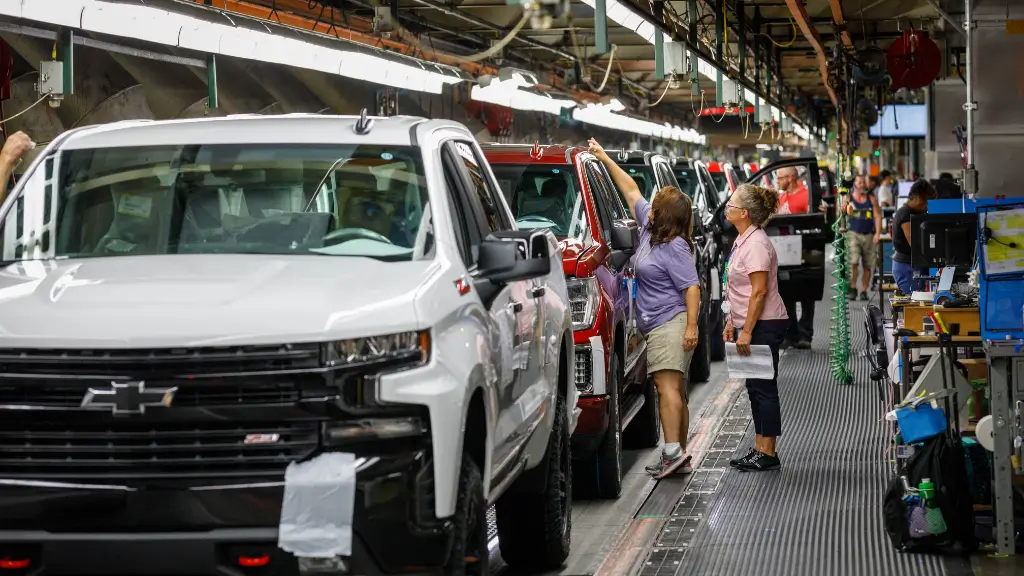
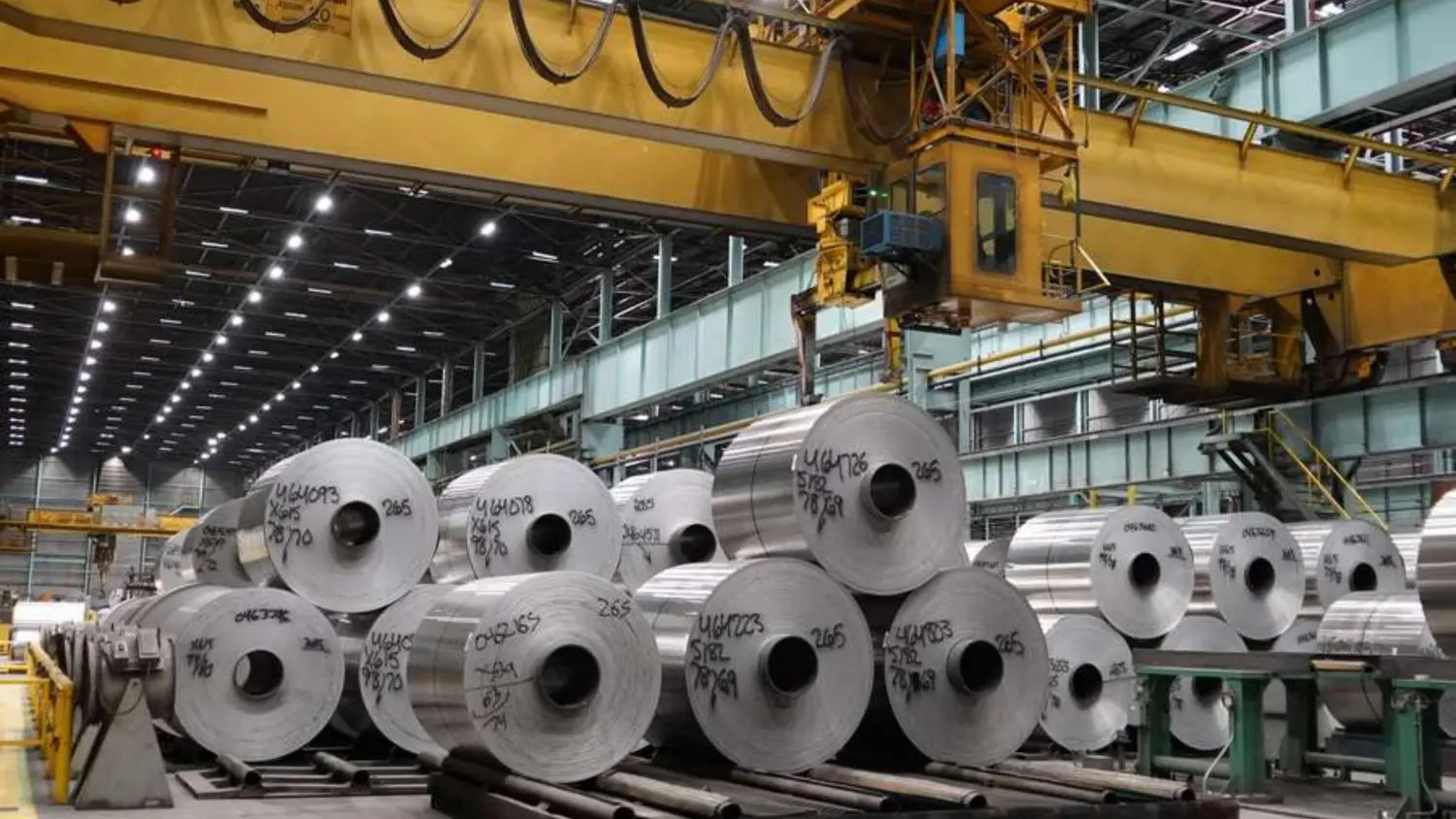
Novelis, based in Atlanta, produces more than 350,000 metric tons of sheet aluminum annually for the automotive industry. Its Oswego plant supplies roughly 40% of the aluminum sheet used by U.S. automakers. Ford, which relies on aluminum for the F-150 pickup, its top-selling and most profitable vehicle, is the largest user. Other automakers impacted include Toyota, Hyundai, Volkswagen, and Stellantis.
Automakers are assessing the impact of the fire and working to mitigate supply disruptions. Ford said it continues to source aluminum from multiple suppliers and has dedicated a team to address the situation. Toyota and Stellantis reported they are adjusting supply chains and working with alternative sources. Hyundai reported no immediate production impact.
The fire required a response from 26 area fire departments and 175 firefighters. With the building’s roof at risk of collapse, most firefighting was conducted from ladder trucks. The destruction of the hot mill halts the production of the sheet aluminum essential for vehicle exteriors.
Novelis is turning to overseas plants in Europe, Brazil, and South Korea to supply customers, though a 50% U.S. tariff on imported aluminum presents added cost challenges. The company is also collaborating with other aluminum suppliers to reduce shortages. Industry analysts say few domestic rolling mills have excess production capacity to fill the gap.