
On the Dash:
- The U.S. DOE took a 5% stake in Lithium Americas and its Thacker Pass joint venture with GM.
- Thacker Pass is expected to produce 40,000 metric tons of lithium annually, enough for 800,000 EVs.
- The project aims to reduce U.S. reliance on China for critical lithium and strengthen domestic EV supply chains.
The U.S. Department of Energy has acquired a 5% stake in Lithium Americas and a separate 5% stake in its Thacker Pass lithium project joint venture with General Motors. The move comes as the government seeks to strengthen domestic production of critical minerals vital to electric vehicle batteries and national security.
Lithium Americas, based in Vancouver, confirmed the first $435 million draw from a previously announced $2.26 billion federal loan to support development of the Nevada-based Thacker Pass mine, which is expected to become the largest lithium source in the Western Hemisphere. U.S.-listed shares of Lithium Americas rose 31% to $7.48 in premarket trading following the announcement.
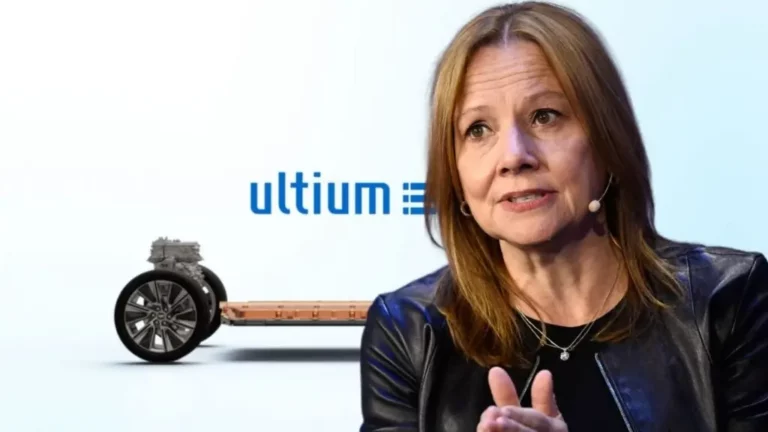
General Motors invested $625 million in the Thacker Pass project last year for a 38% stake, giving it rights to purchase all lithium from the first phase and a portion from the second phase for 20 years. Administration officials initially sought a guarantee that GM would buy lithium regardless of market conditions, which led to the equity stake arrangement.
The Thacker Pass project has bipartisan support as a key initiative to reduce U.S. reliance on China for lithium, a critical battery metal. China currently produces over 40,000 metric tons of lithium annually and dominates refining, processing more than 75% of the world’s lithium into battery-grade material. By comparison, the U.S. produces less than 5,000 metric tons at a single Nevada facility owned by Albemarle.
The first phase of Thacker Pass is expected to produce 40,000 metric tons of battery-quality lithium carbonate per year, enough to supply batteries for roughly 800,000 electric vehicles. The DOE investment is the latest in a series of private sector-backed government initiatives under the Trump administration to support industries considered vital to U.S. national security, following recent stakes in companies such as Intel and MP Materials.