On the Dash:
- Porsche is delaying its electric vehicle rollout and adding more hybrid and combustion models, cutting its 2025 profit margin outlook to just 2%.
- Parent company Volkswagen expects a $6 billion financial hit from Porsche’s revised strategy, reducing its own profit forecast to 2% to 3%.
- Tariffs in the U.S. and weak demand in China are adding pressure, forcing Porsche to extend combustion and hybrid production into the 2030s.
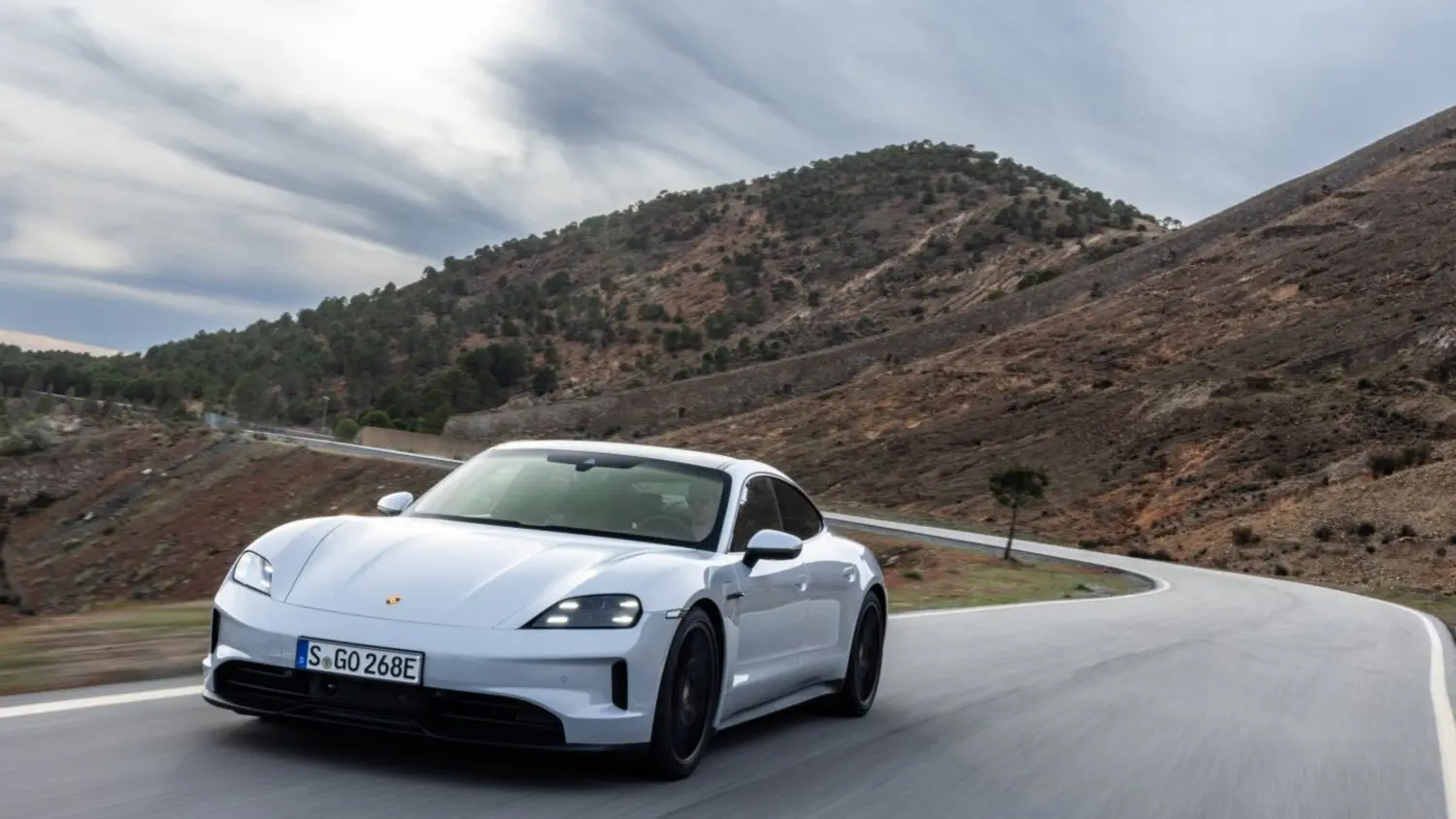
Porsche has delayed its electric vehicle rollout after a comprehensive review of its product strategy, a move that will cost parent company Volkswagen about $6 billion and further reduce profit forecasts for both automakers.
The automaker announced Friday that weaker global demand for luxury EVs, declining sales in China, and higher U.S. tariffs led to the decision. As part of the shift, Porsche will push back the release of new all-electric models, including a full-size SUV that was originally planned as an EV. Instead, the vehicle will launch with combustion and hybrid engines.
Porsche now expects its 2025 profit margin to reach just 2%, down from an earlier forecast of 5% to 7%. Midterm targets were also cut to 15% at best, compared with 15% to 17% previously. Volkswagen, which owns more than 75% of Porsche AG, lowered its operating return on sales to 2% to 3% from a previous 4% to 5%.
The adjustments are expected to reduce Porsche’s operating profit by up to $2.1 billion this year. Overall, the lineup changes are forecast to cost about $3.6 billion in 2025, including $1.8 billion tied directly to rescheduled EV programs. Porsche SE, Volkswagen’s largest shareholder, also cut its outlook for profit after tax.
In addition to delayed EV launches, Porsche plans to extend the production life of current combustion and hybrid models, including the Panamera and Cayenne, into the 2030s. The automaker is also preparing for potential flexibility on the European Union’s 2035 target to eliminate CO2 emissions from new cars.
The U.S. tariff environment has added pressure. Although Washington and Brussels reached a deal in July to reduce tariffs on European vehicles to 15% from the 27.5% rate set earlier this year, the change has yet to be implemented.
Porsche has issued multiple profit warnings in 2025 as costs mount and its stock continues to fall. The company, which went public in 2022 with ambitious EV goals, has since been forced to scale back investments in electrification while increasing spending on traditional vehicles.