On the Dash:
- U.S. tariffs on Japanese car imports are set to drop from 27.5% to 15%, taking effect within 10–14 days after a presidential executive order.
- The executive order will clarify tariff adjustments, prevent stacking, and include context for Japan’s $550 billion investment plan and expanded U.S. imports.
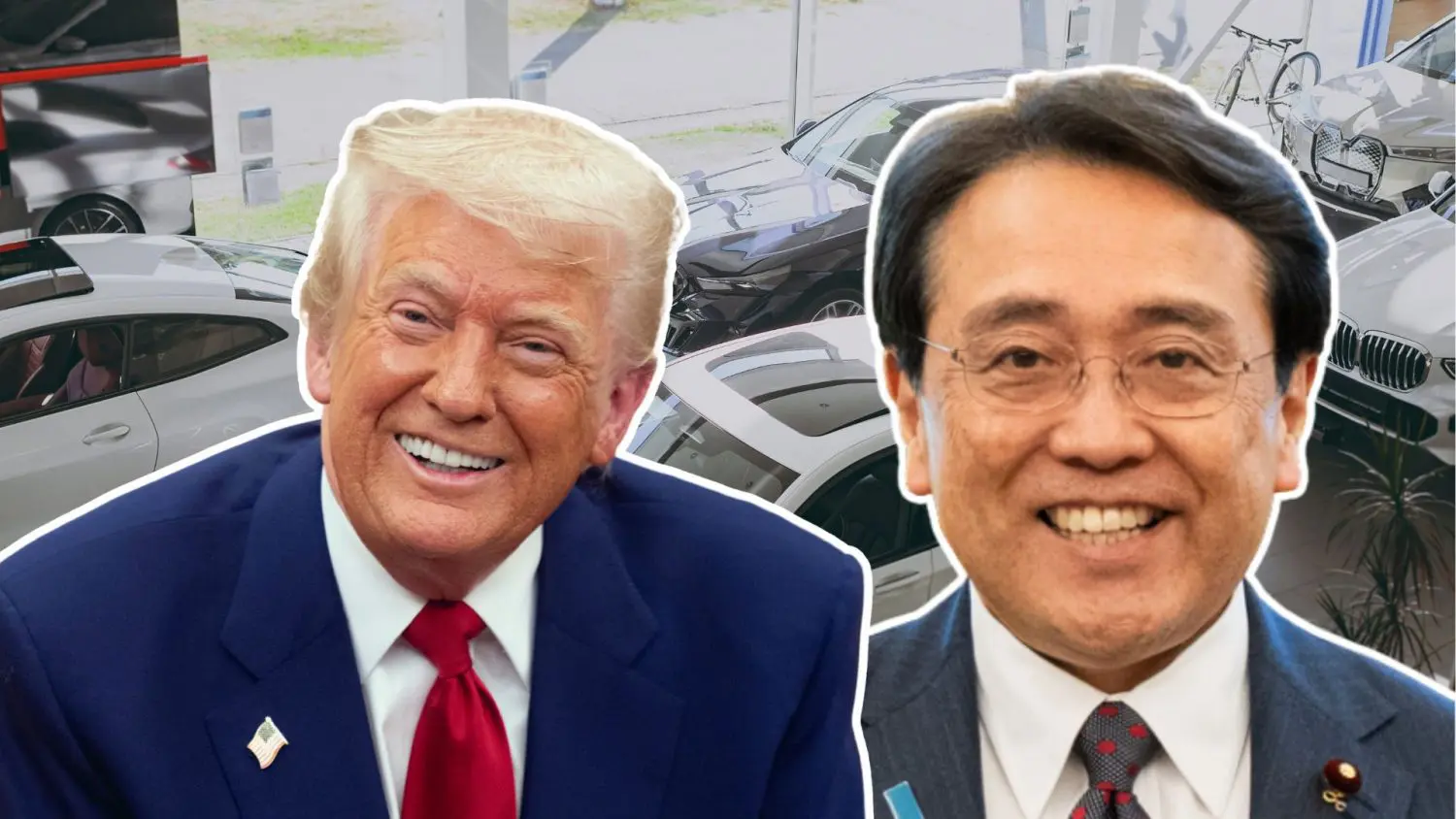
- Japanese trade negotiator Ryosei Akazawa is in Washington to finalize the deal and push for the swift issuance of the executive order.
Japan and the United States are in the final stages of implementing lower tariffs on Japanese automobile imports, with a reduction from 27.5% to 15% expected to take effect within 10 to 14 days after a U.S. presidential executive order, a Japanese government source told Reuters on Thursday.
The exact date of the executive order is still under discussion, and the final decision rests with President Donald Trump.
The order will clarify tariff adjustments, ensuring that Japanese imports previously subject to higher tariffs are not double-taxed, while items previously taxed below 15% will be adjusted to the new rate. It will also include context on Japan’s planned $550 billion U.S.-bound investment package, which consists of equity, loans, and guarantees from Japan’s government-owned banks. The package is tied to the broader trade agreement reached in July.
In addition, the executive order will cover Japan’s commitments to expand U.S. rice imports and purchases of U.S.-made aircraft, according to the source. A joint statement outlining the July agreement and a memorandum clarifying rules for the investment package are expected to be issued alongside the executive order.
Japan’s top trade negotiator, Ryosei Akazawa, traveled to Washington on Thursday to advocate for the prompt issuance of an executive order, indicating that the final phase of negotiations is underway. Speaking to reporters at Tokyo’s Haneda Airport before his departure, Akazawa stated, “Both Japan and the U.S. have agreed to implement the agreement reached in July faithfully and swiftly.”
The tariff agreement builds on a July deal in which the United States agreed to lower tariffs on Japanese automobiles, though the timing had remained uncertain until the executive order is issued. The agreement is part of broader efforts to strengthen U.S.-Japan economic and trade relations while providing certainty to Japanese automakers navigating U.S. market tariffs.
This reduction is expected to have significant implications for the auto industry, lowering costs for Japanese manufacturers and potentially influencing pricing strategies for U.S. consumers in the coming months.