On the Dash:
- Polestar posted a $1.03 billion Q2 loss, driven largely by a $739 million impairment charge on the Polestar 3 due to U.S. tariffs and pricing challenges.
- Europe remains the company’s primary market, generating 77% of sales, while U.S. sales account for only 8%, highlighting vulnerability in its American expansion.
- Ongoing cash burn, debt pressures, and delayed break-even projections underscore the financial risks facing Polestar and other EV startups amid market uncertainty.
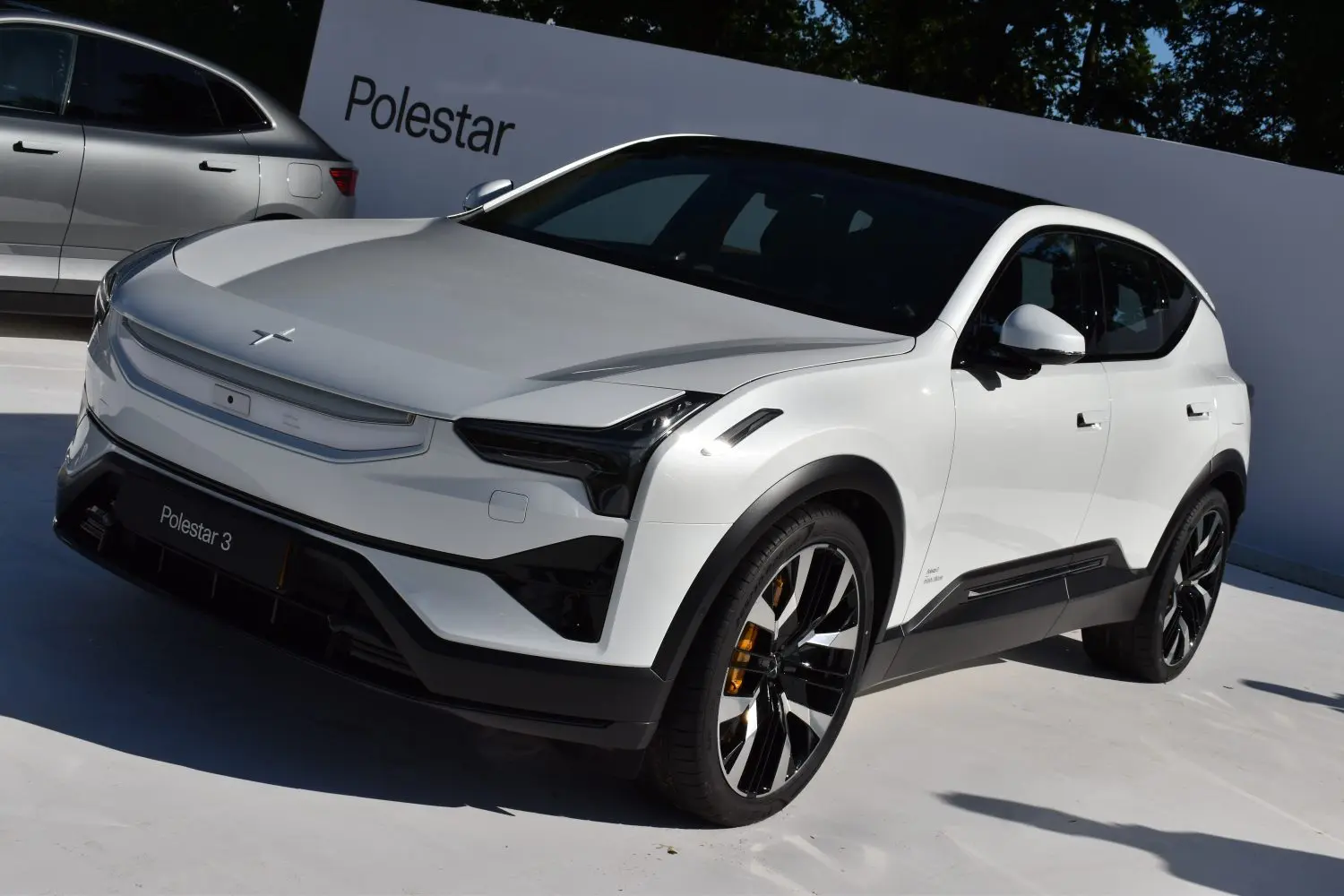
The Swedish automaker Polestar reported a second-quarter net loss of $1.03 billion, more than triple the loss from the previous year. This was mainly due to U.S. tariffs and increased price competition, which forced the company to record a $739 million impairment charge on its Polestar 3 model. Following this announcement, shares of the U.S.-listed automaker fell by 11%.
Polestar reduced the recoverable value of the Polestar 3 to just $25 million, citing tariffs and challenging market conditions. Volvo Cars, which manufactures the SUV in South Carolina, also reported similar impairment charges on its ES90 and EX90 models due to tariffs and delays in their launch.
In a post-earnings call, Polestar made it clear that they will not grow in the U.S. “at any cost,” due to the financial exposure being too high. Only 8% of its sales in the first half of the year came from the U.S., while 77% came from Europe.
The company continues to face significant cash burn and rising debt. Polestar initially aimed for cash flow break-even by 2025, later pushed this goal to 2027, and then suspended the forecast entirely. The automaker has repeatedly renegotiated debt covenants with creditors to remain compliant and has provided 177 vehicles as collateral in a financing deal earlier this year.
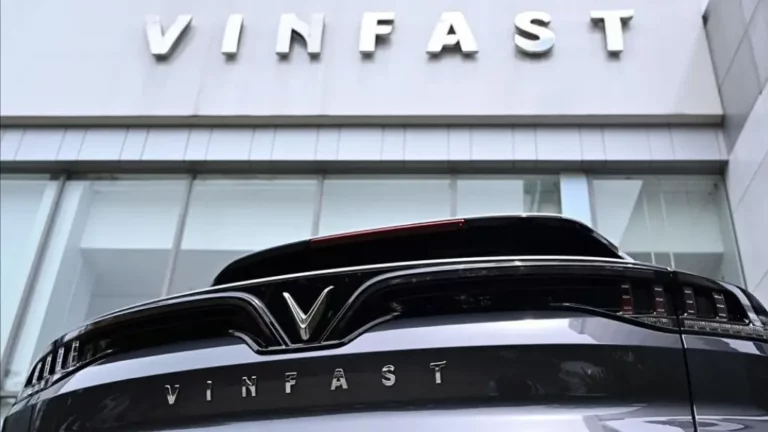
Polestar’s challenges reflect broader difficulties faced by EV startups, which are encountering weakening demand amid the absence of consumer incentives. Several competitors, including Fisker, Lordstown, and Arrival, have filed for bankruptcy after running out of funds. In contrast, companies like VinFast have managed to stay afloat due to strong financial backing.
For Polestar, its reliance on the European market underscores both the strength of that region and the vulnerability of its growth strategy in the U.S., particularly as trade tariffs continue to disrupt profits and hinder expansion.