On the Dash:
- Mercedes-Benz may use BMW engines to extend hybrid production and support its gas and EV strategy.
- BMW engines could help Mercedes meet EU emissions rules and keep U.S. hybrids viable.
- The deal could cut costs and mark a rare collaboration between German rivals.
Mercedes-Benz is reportedly in advanced discussions with BMW to source four-cylinder petrol engines for several upcoming models, a move that could reshape competition among German luxury automakers. The talks, first reported by the U.K.’s Autocar, come as Mercedes reevaluates its internal combustion engine strategy amid slower-than-expected electric vehicle adoption.
According to industry reports, the potential agreement could be finalized before the end of 2025. The engines in question would likely be integrated into hybrid models, supporting Mercedes’ plan to continue offering gasoline-powered vehicles alongside its expanding EV lineup. While neither automaker has publicly confirmed the negotiations, sources suggest planning has already reached a high level.
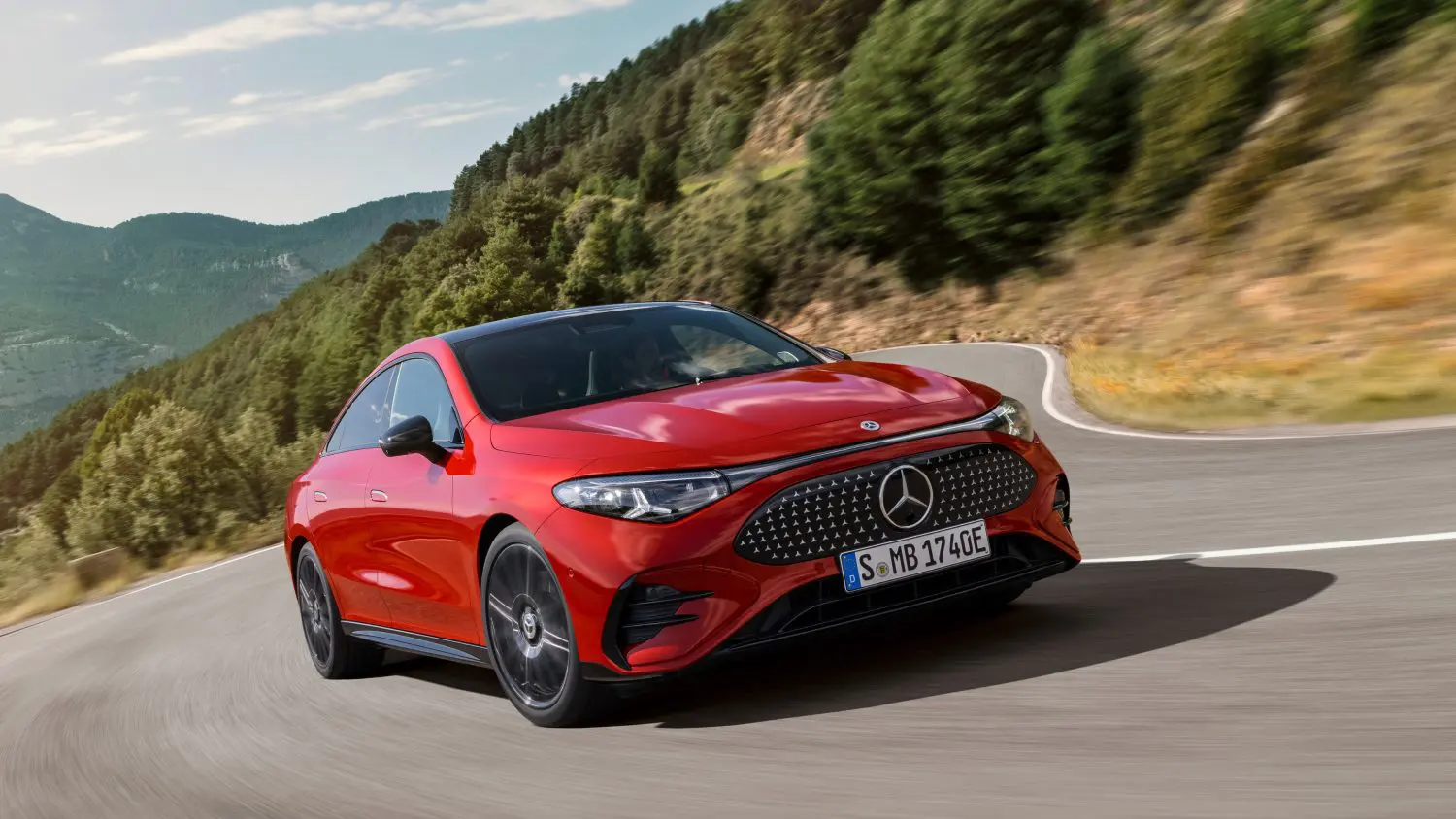
If the deal proceeds, BMW’s engines could power a wide range of future Mercedes vehicles, including the CLA, GLA, GLB, C-Class, E-Class, GLC, and the proposed compact “baby G-Wagen.” The collaboration would help Mercedes comply with new European Union emissions regulations set to take effect next year while also ensuring hybrid offerings remain viable in key markets such as the United States.
Mercedes has already developed a new 1.5-liter four-cylinder engine for its next-generation CLA hybrid. However, reports indicate that this engine is not currently engineered for use in traditional plug-in hybrids or as a range extender, limiting its flexibility. BMW’s established four-cylinder technology, by contrast, is suited for these applications, potentially saving Mercedes significant development costs and allowing it to maintain production of hybrid models longer than expected.
For BMW, the rationale behind supplying engines to a historic competitor remains unclear. Still, the move could deliver financial benefits and create a surprising new connection between two brands long viewed as rivals. For Mercedes, the partnership could provide critical breathing room as it pushes ahead with a dual-track strategy of building both combustion-powered and electric vehicles on shared platforms.
While details remain unconfirmed, industry observers expect a final decision by year’s end. If approved, the collaboration would mark one of the most significant cooperative efforts between German automakers in recent years.