On the Dash:
- Toyota’s global sales streak reached seven months in July, driven by demand in the U.S. and China.
- Tariffs pressure Toyota’s profits, lowering its annual operating income forecast to ¥3.2 trillion ($21.8 billion).
- Japanese automakers face growing competition from EV leaders BYD and Tesla.
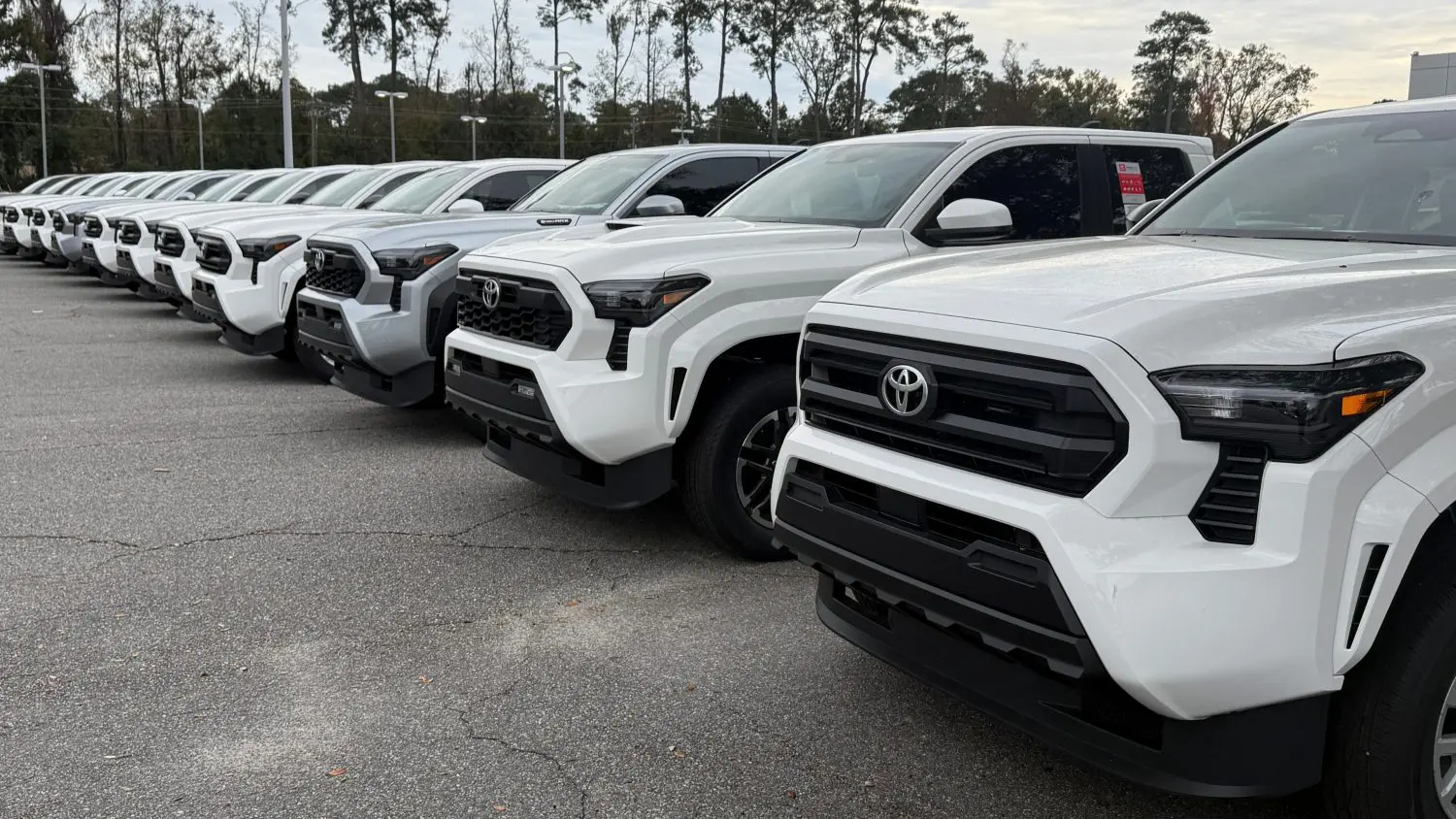
Toyota extended its sales streak to a seventh consecutive month in July, driven by strong demand in the United States and China despite global trade headwinds. The automaker sold a record 963,796 vehicles worldwide, a 4% increase from a year earlier, while production rose 2.6% to 947,943 units.
North America led Toyota’s gains, where Toyota and Lexus brand sales surged 20% on the strength of trucks, SUVs, and hybrid models. China also contributed to the growth, with sales climbing 5.7%. Although domestic sales in Japan fell 2%, rising demand in international markets more than offset the decline.
The company’s momentum in 2025 has been bolstered by consumer demand for gas-electric hybrids and an early-year rush to purchase vehicles ahead of new U.S. tariffs. Japanese imports to the U.S. currently face a 15% duty, reduced from the previous 25% rate but still a significant cost pressure.
Tariffs remain a significant challenge for Toyota’s financial outlook. Earlier this month, the automaker reduced its annual profit forecast, projecting a ¥1.4 trillion ($9.5 billion) loss due to the impact of trade duties. Toyota now expects ¥3.2 trillion ($21.8 billion) in operating income for the fiscal year ending March 2026, down from a previous estimate of ¥3.8 trillion ($25.9 billion).
Rival automakers reported mixed results in July. Honda sales declined 7.6% to 279,727 units, primarily due to a sharp drop in China, while production decreased 7% to 277,635 units. Nissan Motor, however, saw a 0.5% increase in global sales to 262,745 vehicles, its first gain in 16 months. The growth was fueled by a 22% jump in Chinese sales, supported by demand for its fully electric N7 model.
Despite its current strength, Toyota faces mounting competition in the global market. EV leaders, such as China’s BYD and Tesla, continue to dominate with cutting-edge technology and expanding product portfolios, placing pressure on legacy Japanese brands to accelerate their own electrification strategies.