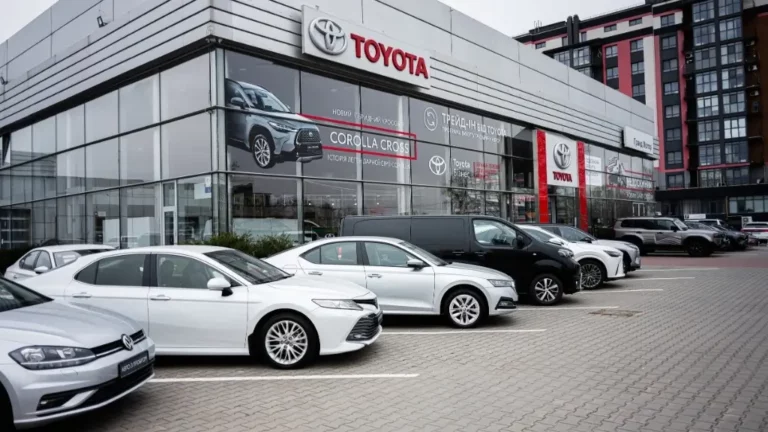

In 2025, dealerships are in a constant state of adjustment, navigating fluctuating inventory levels, higher operational costs, and a customer base that expects seamless, digital-first experiences. While much of the focus has been on recon speed, online financing, and sales channel optimization, one area still slowing down inventory turns, and quietly inflating overhead is often ignored: the title process.
It’s a decades-old system, and while dealers have learned to work around it, many are starting to ask: why should they have to?
The cost of a stalled title
For most dealerships, every vehicle on the lot comes with a ticking clock. Floorplan interest accrues daily. Lot space is limited. Insurance and reconditioning add up. The goal is simple: move inventory fast, minimize holding costs, and reinvest that capital.
But when a sale-ready vehicle is stuck in a holding pattern because a title hasn’t cleared, or can’t be processed quickly enough, those costs compound. Wholesale transactions may be delayed, auctions might withhold payment, and retail deals could fall through if customers can’t get delivery on their timeline.
And with used car values fluctuating more than ever, time isn’t just money. It dictates margin.
2025 dealership trends: pressure to perform with less
This year, more dealerships are feeling the squeeze on two fronts: shrinking per-unit profits and rising overheads. According to recent industry reports, total operating expenses are up across the board, especially in administrative and processing roles. Meanwhile, floorplan interest rates remain high, and inventory cycles continue to compress.
Dealerships are responding by streamlining wherever they can. They are centralizing operations, adopting more cross-store technology platforms, and investing in tools that help stretch operational dollars. But many are still tethered to manual, outdated title workflows that don’t match the pace or expectations of modern retail.
Which raises the question: what role should technology play in modernizing the title process?
Why title processing is next in line for modernization
Over the past decade, nearly every facet of dealership operations has gone digital. CRMs replaced paper logs, trade tools moved online, and DMS platforms migrated to the cloud. Yet title processing remains one of the last paper-heavy holdouts.
Digital titling changes that. Instead of mailing documents, chasing DMV responses, or managing fragmented workflows, digital platforms enable dealers, lenders, and state agencies to process titles online, faster, more accurately, and with greater visibility.
In states embracing digital titling, turnaround times have dropped from weeks to days, or even hours. The result isn’t just speed. It’s predictability and control.
One example is the National Digital Titling Clearinghouse (NDTC), a centralized platform gaining traction with major dealership groups, wholesalers, and national retailers. Powered by CHAMP, NDTC simplifies complex multistate title processing by connecting dealers directly to participating state DMVs.
This reflects a broader industry shift: eliminating friction from outdated systems and replacing it with scalable, tech-enabled infrastructure. For dealers navigating out-of-state transactions or managing multiple rooftops, platforms like NDTC don’t just save time. They unlock the operational efficiency of today’s market demands.
Beyond tech: what this means for your bottom line
Adopting digital titling doesn’t mean flipping a switch overnight. But for forward-thinking dealers, it’s becoming a key part of a smarter inventory strategy.
Here’s why:
- Reduced Days to Retail/Wholesale: Every day shaved off title processing is a day closer to sale and revenue recognition.
- Lower Holding Costs: Digital titles help reduce some of the costs dealers often underestimate, like staff hours spent tracking documents, recon re-dos when cars sit too long, multiple mailing costs when documents aren’t completed correctly the first time or missed sales due to titling delays.
- Better Cash Flow: Faster title release means faster payment from auctions or wholesale buyers and a quicker path to reinvesting in new inventory.
- Improved Customer Experience: Today’s buyers expect fast, digital paperwork. Delays caused by title issues can tank CSI scores or leave a sour taste after an otherwise smooth sale.
The road ahead
As more states move toward digital title legislation and systems like NDTC expand their footprint, the expectation is shifting. What used to be a back-office process is now part of the overall dealership experience and a point of competitive differentiation.
Dealers who modernize their title workflows now will not only reduce friction and cost, but they will also be better prepared for the next wave of digital retail, where speed and simplicity drive loyalty.
In a year where every day, dollar, and deal matters, modernizing the title process might be the smartest move a dealer can make. Not just to cut costs, but to stay in control of their inventory and their future.