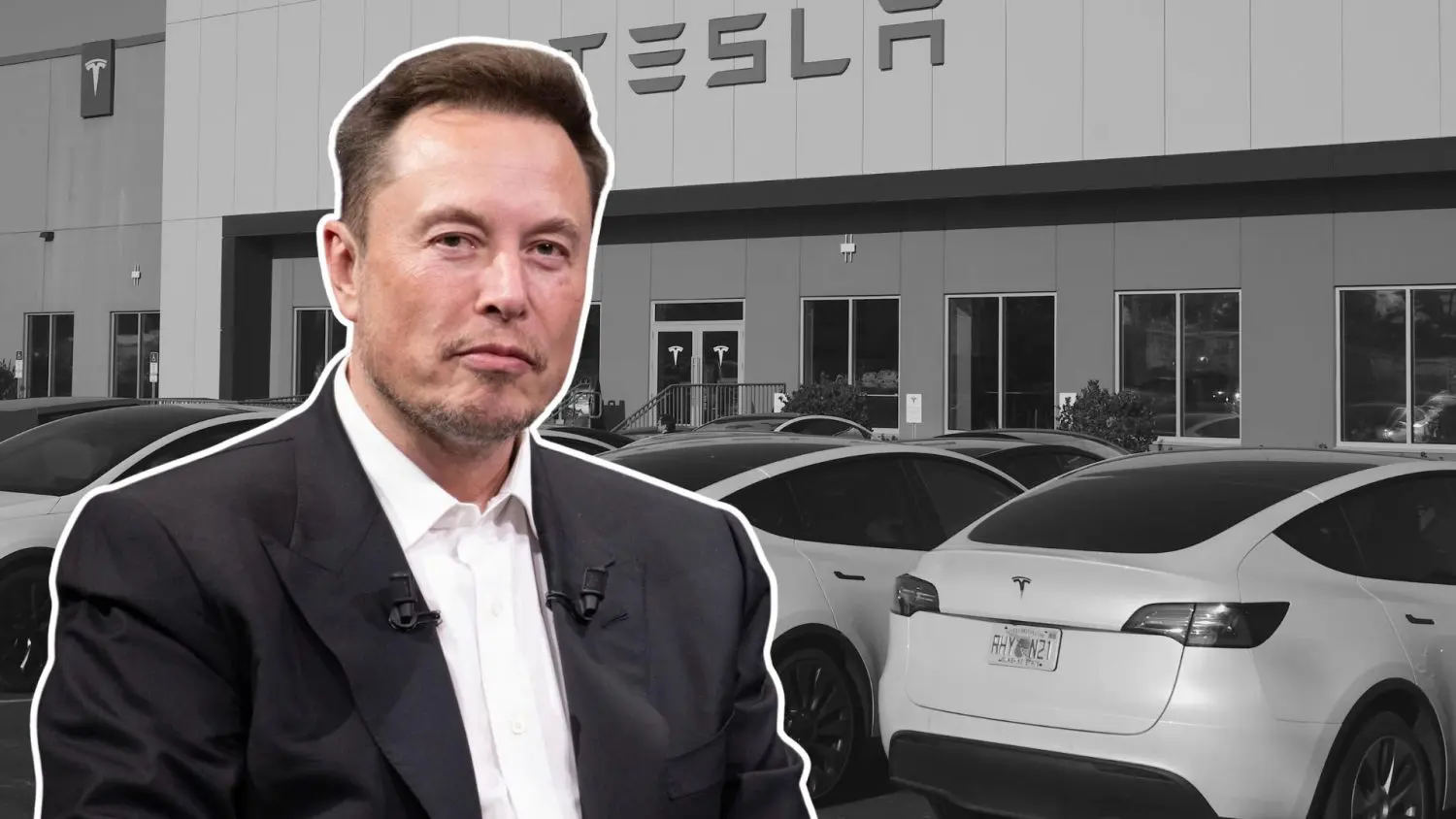
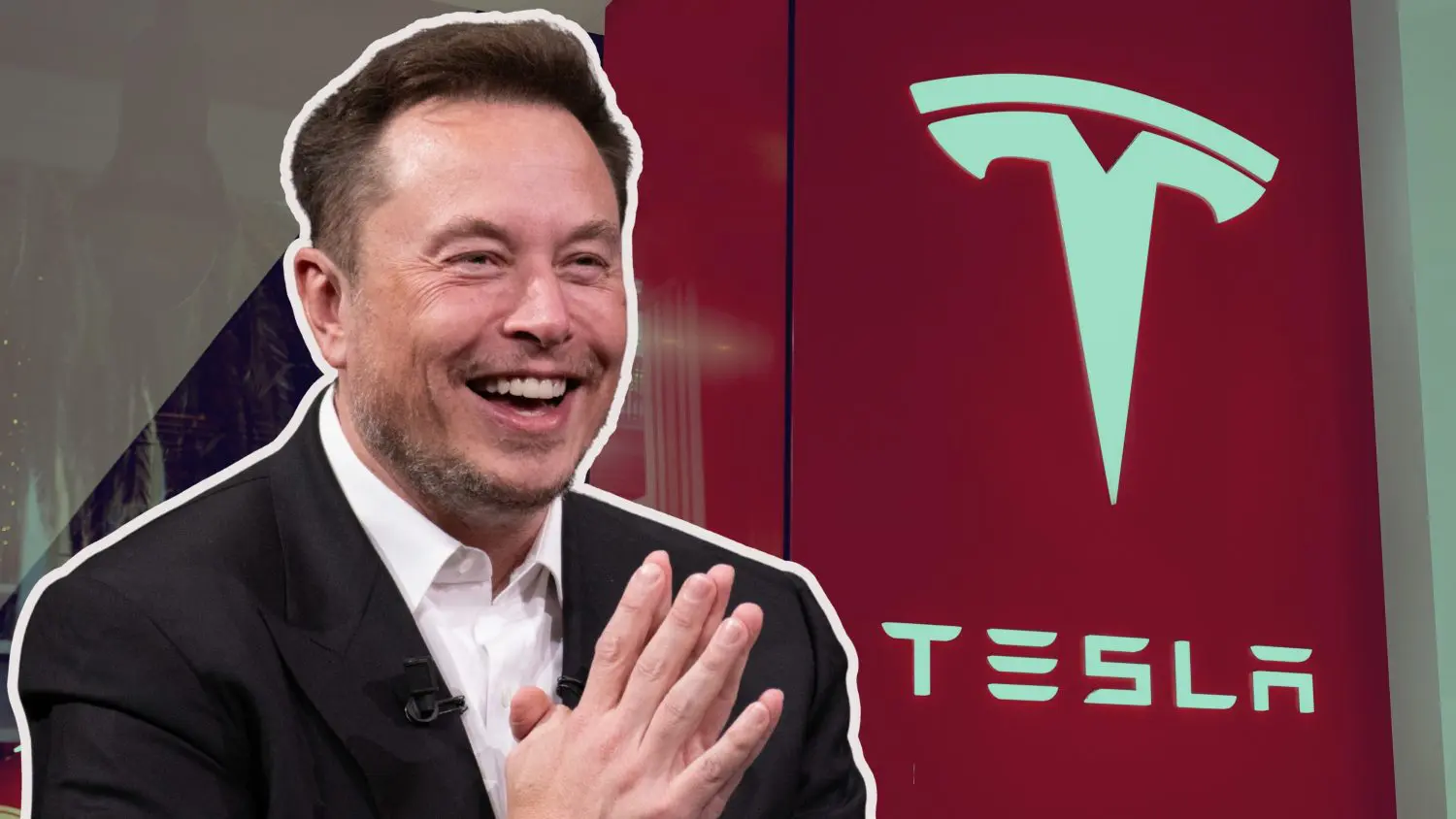
Tesla’s board approved a $23.7 billion stock award for CEO Elon Musk, granting him 96 million shares that vest in two years if he remains in a leadership role. This “interim award” serves as a contingency plan amid ongoing litigation challenging Musk’s 2018 pay package valued at $50 billion, which was twice invalidated by Delaware courts. Musk must pay $23.34 per share to exercise the options, compared with Tesla’s current trading price of over $300. The company has not recognized compensation expenses for the award, pending legal outcomes and vesting conditions. Tesla’s directors emphasized the need to retain Musk, noting his importance as a leader and talent magnet for the company. The board plans to present a long-term CEO compensation strategy to shareholders at the annual meeting in November.
Here’s why it matters:
Elon Musk’s leadership is central to Tesla’s strategic direction, innovation pace, and market influence. Tesla’s ability to retain Musk directly impacts investor confidence and operational stability as the company expands its EV footprint globally. The legal uncertainty surrounding Musk’s pay reflects broader governance challenges in high-profile tech and automotive firms. Musk’s compensation—if realized—would remain the largest CEO stock award ever, highlighting the high stakes of leadership continuity in an industry facing intense competition and rapid technological shifts.
Key takeaways:
- Tesla grants Musk 96 million shares worth $24 billion
Shares vest in two years if Musk stays as CEO or in a senior leadership role. - Award contingent on court rulings about 2018 pay package
Musk will forfeit this grant if the Delaware Supreme Court upholds the invalidation of his prior $50 billion stock award. - Musk must pay $23.34 per share to exercise options
The current Tesla stock price is $309.62, highlighting potential upside. - Tesla hasn’t recognized compensation expense yet
The company will reassess accounting for the award quarterly based on legal and vesting progress. - Board highlights Musk’s critical role in Tesla’s success
Losing Musk would risk talent retention and innovation leadership, justifying a complex compensation approach.