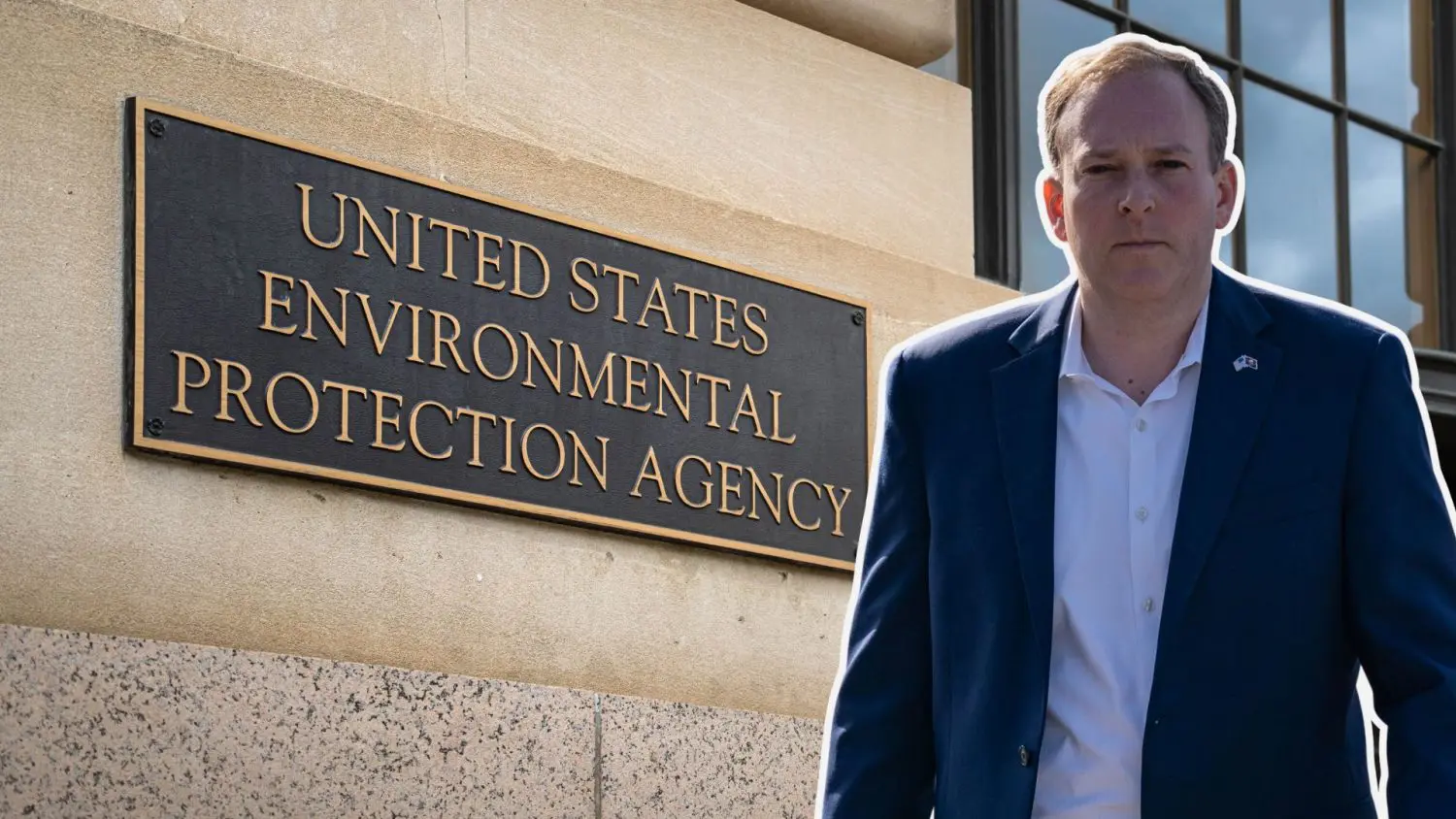
The U.S. Environmental Protection Agency (EPA) is advancing a proposal to reverse its 2009 “endangerment finding,” a landmark scientific and legal determination that greenhouse gas emissions pose a threat to public health. This reversal would modify the core legal authority underpinning major climate regulations across transportation, energy, and industrial sectors.
The proposal, submitted to the White House Office of Management and Budget on June 30, is expected to be released for public comment after interagency review. While the new rule is reportedly focused on the EPA’s legal authority rather than its scientific rationale, it sets the stage for sweeping deregulation of emissions standards nationwide.
Here’s why it matters:
Eliminating the endangerment finding could radically alter the regulatory framework governing vehicle emissions. If finalized, automakers would face fewer federal requirements for reducing greenhouse gas emissions, potentially lowering compliance costs and altering future vehicle design strategies. Dealers may notice shifts in the types of vehicles being manufactured, particularly between internal combustion engine (ICE) vehicles and EVs. The rollback could also affect consumer incentives tied to environmental standards, reshaping buyer demand. This regulatory change represents a pivotal moment in national environmental and economic policy with direct consequences for product availability, pricing, and dealership compliance obligations.
Key takeaways:
- EPA seeks to overturn foundational climate policy
The proposal aims to reverse the 2009 endangerment finding, which has served as the legal backbone for regulating greenhouse gas emissions from vehicles and industries. - Vehicle emission standards could be weakened
If the finding is rescinded, EPA would no longer be legally required to regulate emissions from new motor vehicles, easing restrictions for automakers and shifting product strategies. - Automotive sector could pivot back to ICE vehicles:
Without federal emissions pressure, automakers may scale back EV investments or delay transition plans, affecting what reaches dealership lots. - Legal and scientific backlash
Environmental lawyers argue the move defies established science and precedent, and it will likely face substantial legal challenges in court. - Major economic and market impacts
The rollback aligns with the Trump administration’s broader deregulatory agenda and could lead to reduced regulatory costs. But, it also risks long-term alignment with global climate targets and future trade standards.
This EPA move could trigger one of the most consequential shifts in environmental policy in years, reshaping how vehicles are built, sold, and regulated across the U.S. auto retail market.