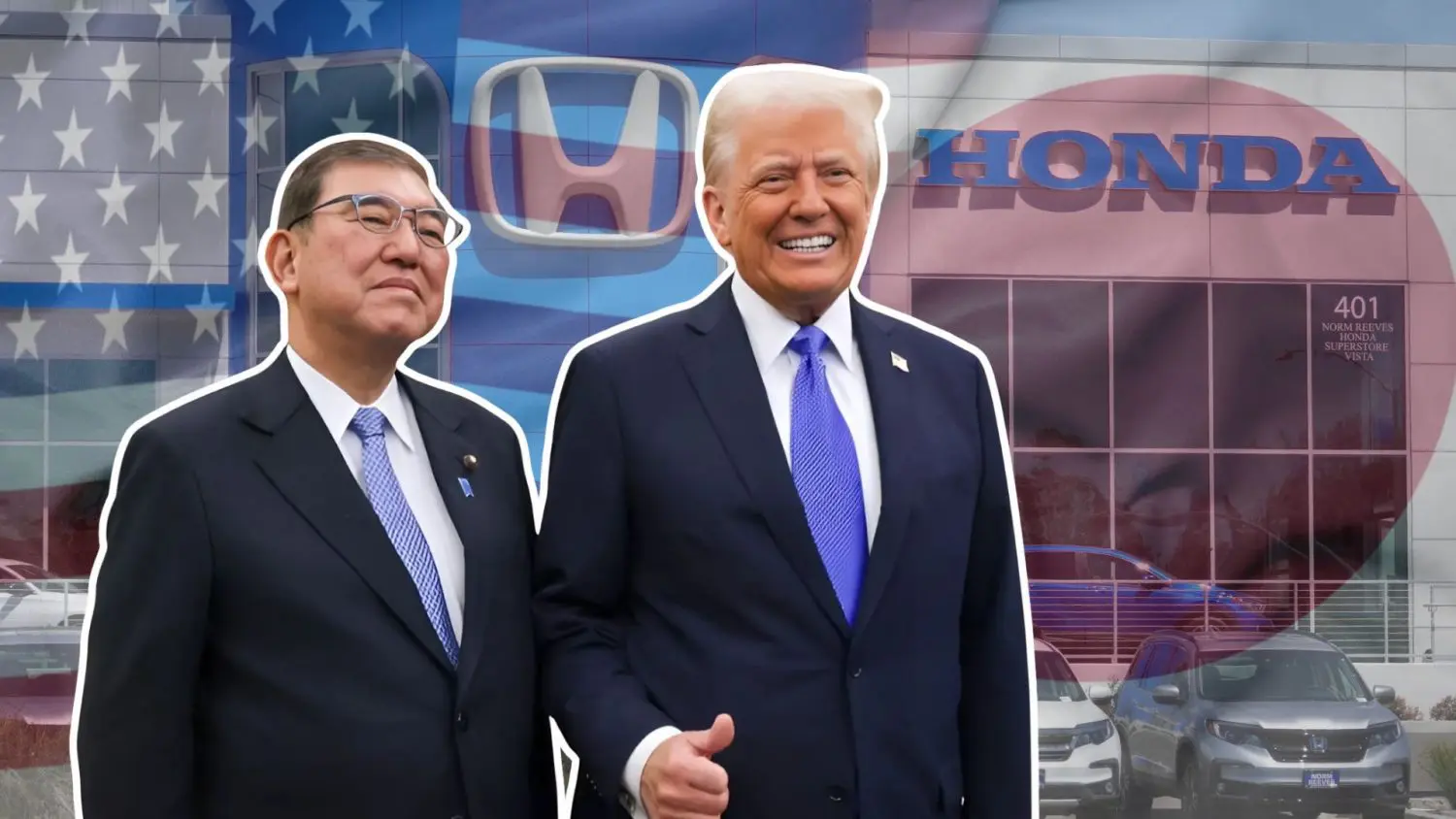
President Donald Trump announced a new trade agreement with Japan that lowers U.S. tariffs on Japanese imports to 15%, down from the previously threatened 25% rate. The deal, part of Trump’s ongoing global tariff campaign, also includes a commitment from Japan to invest $550 billion in the United States, although the structure of that investment remains unclear. The move is seen as a massive shift in U.S.-Japan trade relations and arrives ahead of an August 1 deadline Trump set for securing foreign trade agreements.
Japan, which was the fifth-largest exporter to the U.S. in 2024 with nearly $150 billion in goods shipped, had sent top negotiators to Washington eight times since April to avoid Trump’s tariffs. However, the announcement follows Trump’s approval of Nippon Steel’s takeover of U.S. Steel and coincides with Japan’s own political struggles, including Prime Minister Shigeru Ishiba’s weakened party leadership.
For car dealers, this agreement is especially significant given Japan’s central role in automotive exports to the U.S. A reduction in tariffs can reduce vehicle costs, parts prices, and increase inventory flexibility for dealers selling Japanese brands or reliant on Japanese parts.
Here’s why it matters:
Japanese automakers, including Toyota, Honda, Nissan, and Subaru, play a crucial role as major suppliers of vehicles and parts to the U.S. dealership network. Reduced tariffs are expected to alleviate pricing pressures, improve supply consistency, and lower the costs of imported vehicles. Furthermore, the investments and joint ventures resulting from trade agreements could enhance domestic production and create job opportunities in U.S. auto facilities owned by these Japanese companies. The overall trade environment has a significant influence on the retail pricing structure and consumer affordability of Japanese vehicles. In addition, political and trade stability with Japan fosters confidence in long-term planning for multi-brand dealerships, making it a vital aspect of the automotive market.
Key takeaways:
- Tariff reduction
The U.S. will impose a 15% tariff on Japanese imports, rather than the previously threatened 25%, a win for import-reliant sectors, including automotive retail. - $550 billion investment
Japan is reportedly committed to investing $550 billion in the U.S., with 90% of the profits expected to go to the U.S., although details remain unclear. - Auto sector implications
The agreement affects nearly $150 billion in Japanese exports, including a significant portion of automobiles and their parts. - Nippon Steel deal approved
Trump approved Nippon’s $14 billion takeover of U.S. Steel, tied to the creation of 100,000 U.S. jobs, which may support broader manufacturing capacity. - August 1 deadline
Japan met the administration’s trade demands ahead of the final tariff deadline, avoiding potentially severe consequences for exporters and U.S. buyers.