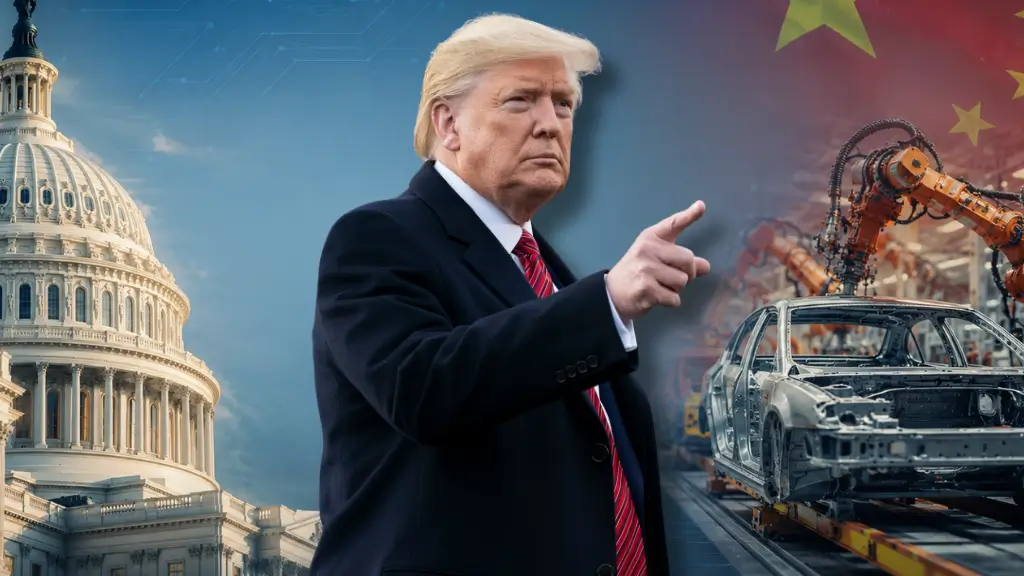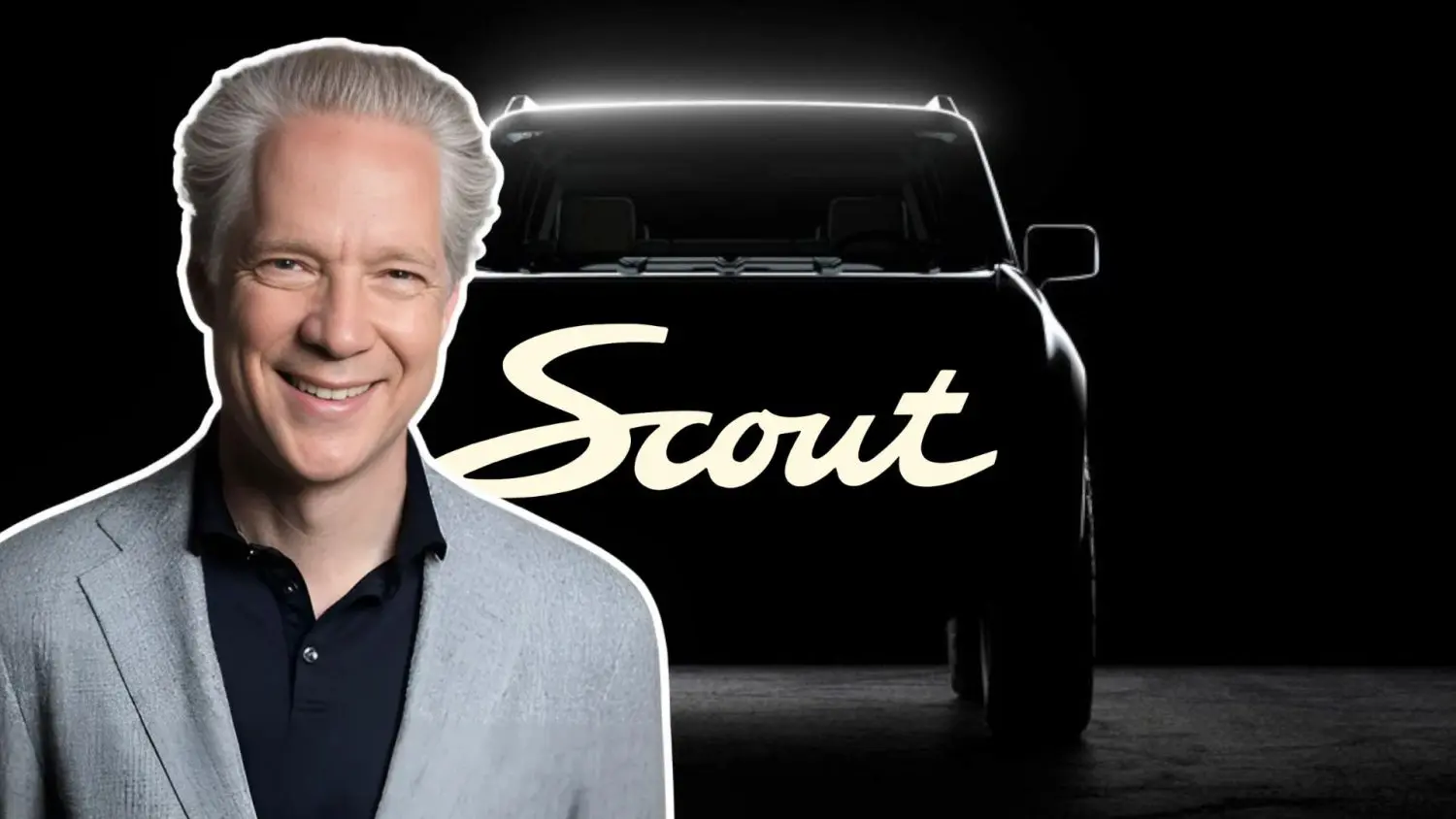
Scout Motors, a Volkswagen Group subsidiary, is urging the U.S. Department of Justice to eliminate state motor vehicle franchise laws, describing them as “burdensome restrictions on competition.” In a letter submitted to the DOJ’s Anticompetitive Regulations Task Force, Scout’s Vice President of Government and Regulatory Affairs, Blair Anderson, argued that current franchise laws have evolved into protectionist barriers that block emerging direct-to-consumer business models.

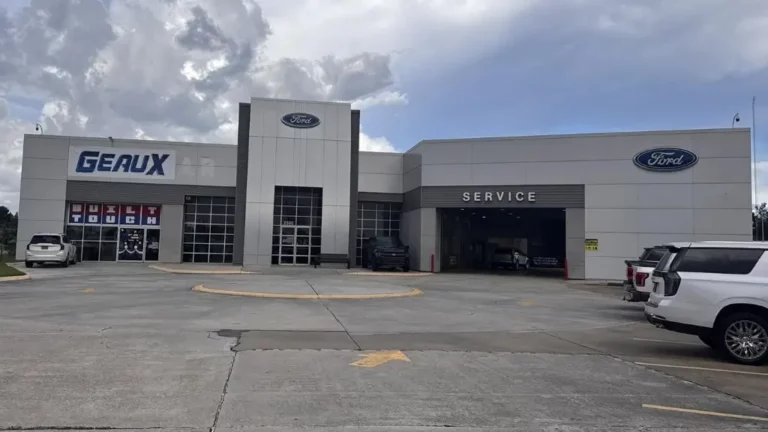
The company intends to sell its upcoming Terra pickup and Traveler SUV directly to buyers once U.S. production begins in 2027. This approach bypasses traditional dealership networks, including VW’s, and has drawn legal pushback from dealer associations in states such as Florida and California. These groups allege that Scout’s reservation system violates franchise laws.
Scout maintains that its structure is independent of VW and that it should not be subject to legacy rules. However, the National Automobile Dealers Association (NADA) remains firmly opposed, defending franchise laws as beneficial to both consumers and competition. The group has vowed to fight similar efforts in legislatures and courts nationwide.
Here’s why it matters:
Scout’s campaign to dismantle franchise protections could significantly disrupt the dealership model by encouraging other automakers to pursue direct-to-consumer strategies. If successful, the move could reshape state-level regulatory frameworks and weaken dealers’ exclusive retail rights. The growing tension underscores the broader battle over who controls the customer relationship in an increasingly digital, EV-focused market.
Key takeaways:
- Scout’s direct sales push
Scout Motors formally requested that the DOJ eliminate franchise laws, arguing that they block competition and innovation in the automotive sector. - Legal headwinds mount
Dealer groups in Florida and California have filed lawsuits against Scout and VW, citing violations of existing franchise statutes. - NADA’s opposition
The National Automobile Dealers Association strongly opposes Scout’s approach, arguing franchise laws protect consumers and market competition. - Sales strategy revealed
Scout plans to sell vehicles through experience centers, digital tools, and rapid transaction models without establishing a traditional dealer network. - Implications for dealers
If successful, Scout’s efforts could trigger broader regulatory shifts that erode longstanding dealership protections, particularly in the context of EV sales models.