TSLA345.820-28.59%
GM78.710-3.04%
F11.180-0.06%
RIVN10.330-0.96%
CYD19.620-1.75%
HMC32.580-0.77%
TM207.490-3.48%
CVNA63.885-4.115%
PAG212.2500.15%
LAD287.130-2.22%
AN175.480-0.57%
GPI255.060-3.97%
ABG198.950-0.03%
SAH58.690-0.52%
TSLA345.820-28.59%
GM78.710-3.04%
F11.180-0.06%
RIVN10.330-0.96%
CYD19.620-1.75%
HMC32.580-0.77%
TM207.490-3.48%
CVNA63.885-4.115%
PAG212.2500.15%
LAD287.130-2.22%
AN175.480-0.57%
GPI255.060-3.97%
ABG198.950-0.03%
SAH58.690-0.52%
TSLA345.820-28.59%
GM78.710-3.04%
F11.180-0.06%
RIVN10.330-0.96%
CYD19.620-1.75%
HMC32.580-0.77%
TM207.490-3.48%
CVNA63.885-4.115%
PAG212.2500.15%
LAD287.130-2.22%
AN175.480-0.57%
GPI255.060-3.97%
ABG198.950-0.03%
SAH58.690-0.52%

YouTuber tests Tesla’s FSD system, raises questions about detection capabilities

The results were mixed: the Model Y failed to detect the wall, while the Cybertruck stopped.
Tesla

Kyle Paul

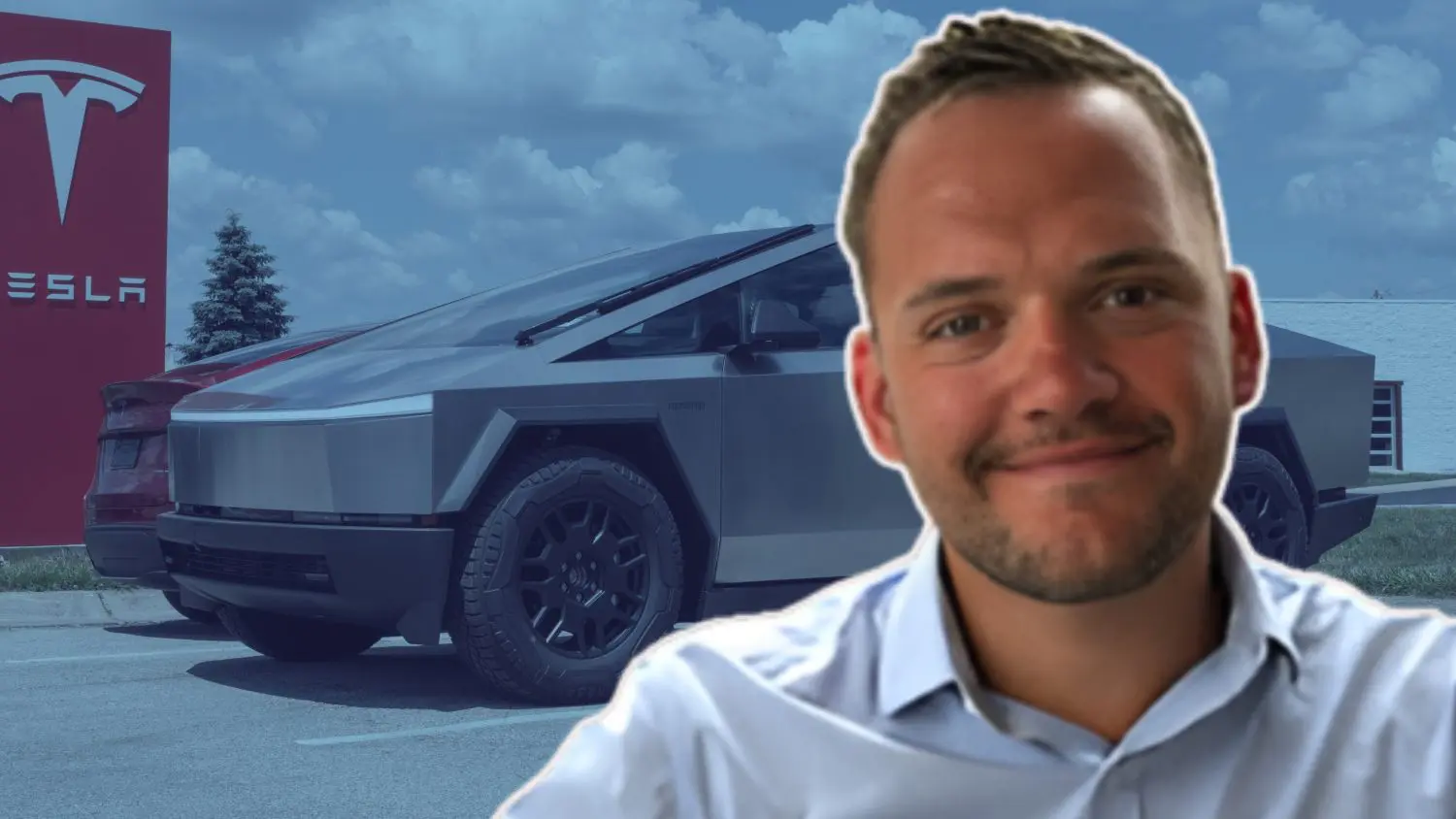
Another YouTuber has taken on the challenge of testing Tesla’s Full Self-Driving (FSD) system against a deceptive fake wall test following a viral video that raised concerns about the technology’s ability to detect certain hazards. Kyle Paul, a content creator, conducted his own experiment and posted the results on Thursday, featuring two Tesla models with different hardware and software configurations.

Paul’s test aimed to evaluate whether Tesla’s FSD could recognize and stop for a fake wall painted to resemble an open road—a scenario made famous by YouTuber Mark Rober’s initial experiment. However, Rober’s test faced criticism because he used Autopilot rather than FSD.

Sign up for CBT News’ daily newsletter and get the latest industry stories delivered straight to your inbox.

Paul reran the tests with similar conditions, but instead conducted the experiment with FSD. He used a Tesla Model Y with an HW3 computer running FSD version 12.5.4.2, as well as a Cybertruck equipped with the latest HW4 / AI4 system and FSD version 13.2.8. The results varied: the Model Y, like Rober’s test vehicle, failed to recognize the obstruction and required manual intervention to avoid a collision. However, the Cybertruck successfully detected the wall and stopped before impact, demonstrating an improvement with the newer hardware and software.

The test adds to ongoing discussions about the capabilities and limitations of Tesla’s FSD system as it continues to evolve. The results highlight both the potential and the current gaps in Tesla’s autonomous technology, particularly in unusual or misleading visual scenarios. As Tesla refines its driver assistance features, these independent tests provide valuable insights into how the system performs outside controlled environments.
Read More

More from Articles
Lawmakers near deal to ban Chinese automakers from U.S. market

Lawmakers near deal to ban Chinese automakers from U.S. market

- November 20, 2026
On the Dash: Lawmakers aim to send legislation to the President to restrict Chinese automakers from the U.S. market by the end of 2026. Proposed revisions could exempt companies with...
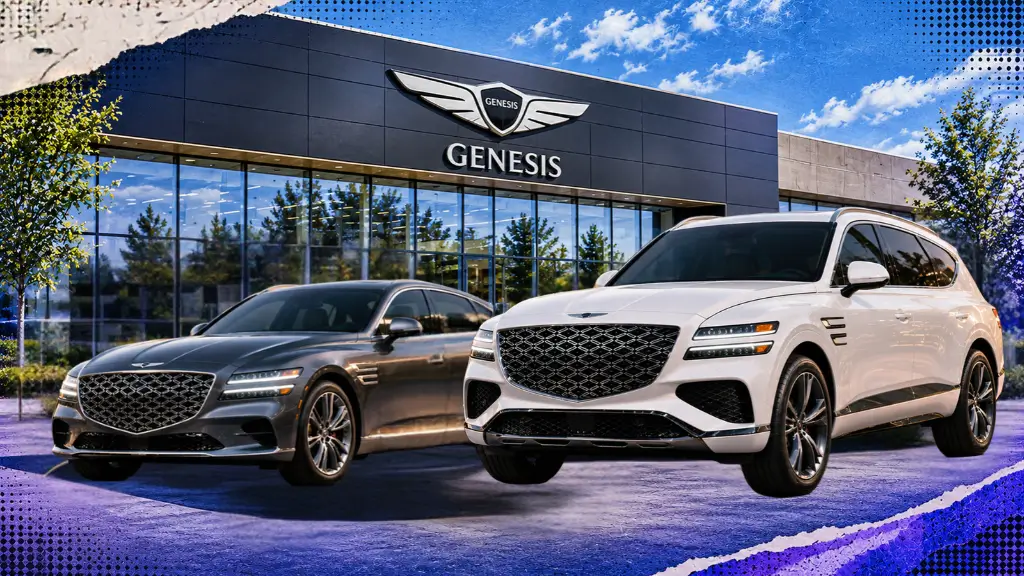
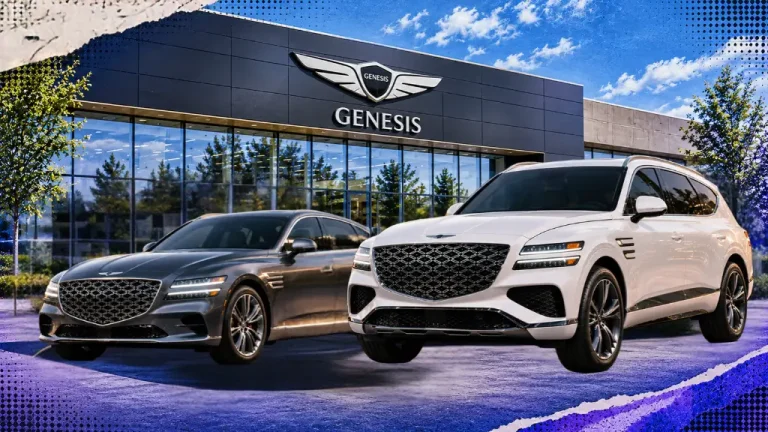
Hybrid G80 and GV80 models from Genesis are estimated at more than 500 miles of range. The brand also opened six new stores.

Genesis unveils new hybrids with 500+ miles of range

- November 20, 2026
On the Dash: Genesis hybrid G80 and GV80 models are estimated at more than 500 miles of range. The 2.5-liter turbo hybrid system makes 347 horsepower, with no release date...
Volkswagen

Volkswagen seeks two-year pay freeze as labor tensions escalate in Germany

- November 20, 2026
On the Dash: Volkswagen is seeking a two-year wage freeze for about 120,000 workers as part of its broader cost-cutting effort. The automaker also wants to eliminate a bonus and...
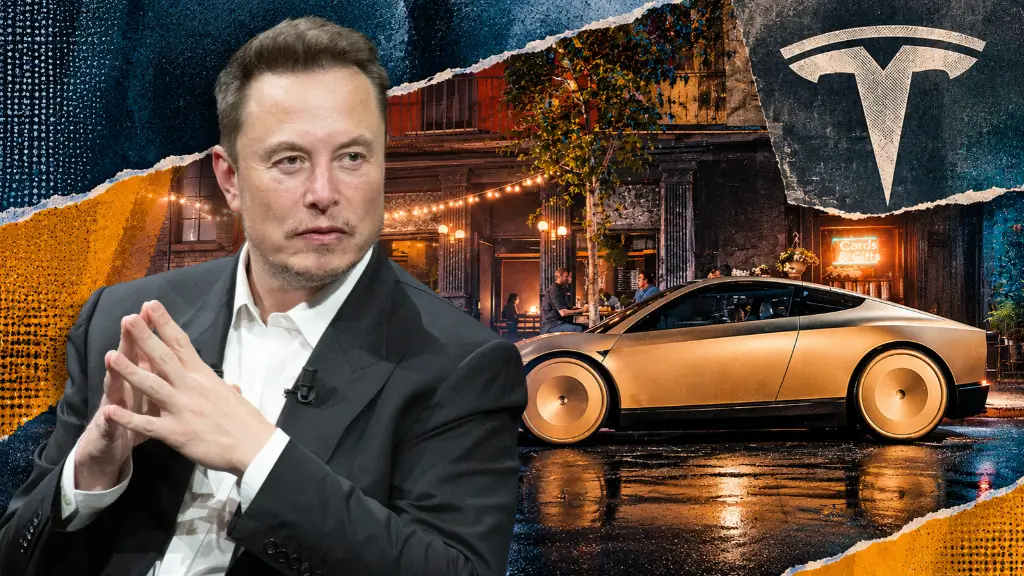
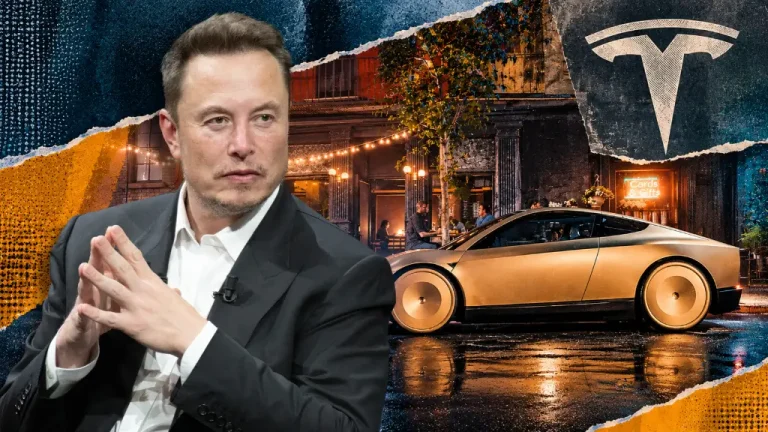
Tesla offers Cybercabs to select customers, Musk calls $299 monthly fee too high

Tesla offers Cybercabs to select customers, Musk calls $299 monthly fee too high

- November 20, 2026
On the Dash: Tesla Cybercab orders opened to select customers at $29,990 before taxes, with December delivery estimated. A required $299 monthly Autonomy Subscription lets the vehicle operate, and Musk...

Add us as a preferred source on Google

CBT News
Privacy Overview

This website uses cookies so that we can provide you with the best user experience possible. Cookie information is stored in your browser and performs functions such as recognising you when you return to our website and helping our team to understand which sections of the website you find most interesting and useful.