TSLA342.2702.31%
GM86.7700.38%
F14.3650.475%
RIVN15.360-0.46%
CYD45.240-0.32%
HMC31.5800.38%
TM191.1102.4%
CVNA75.6201.92%
PAG219.8501.18%
LAD377.550-1.10999%
AN209.4101%
GPI263.9500.94001%
ABG210.6600.08%
SAH80.8301.59%
TSLA342.2702.31%
GM86.7700.38%
F14.3650.475%
RIVN15.360-0.46%
CYD45.240-0.32%
HMC31.5800.38%
TM191.1102.4%
CVNA75.6201.92%
PAG219.8501.18%
LAD377.550-1.10999%
AN209.4101%
GPI263.9500.94001%
ABG210.6600.08%
SAH80.8301.59%
TSLA342.2702.31%
GM86.7700.38%
F14.3650.475%
RIVN15.360-0.46%
CYD45.240-0.32%
HMC31.5800.38%
TM191.1102.4%
CVNA75.6201.92%
PAG219.8501.18%
LAD377.550-1.10999%
AN209.4101%
GPI263.9500.94001%
ABG210.6600.08%
SAH80.8301.59%

EPA moves to roll back Biden administration’s emissions rules, impacting EV and fuel standards

As the EPA, NHTSA, and Congress revisit these policies, the regulatory landscape for emissions, fuel economy, and EV adoption remains uncertain.
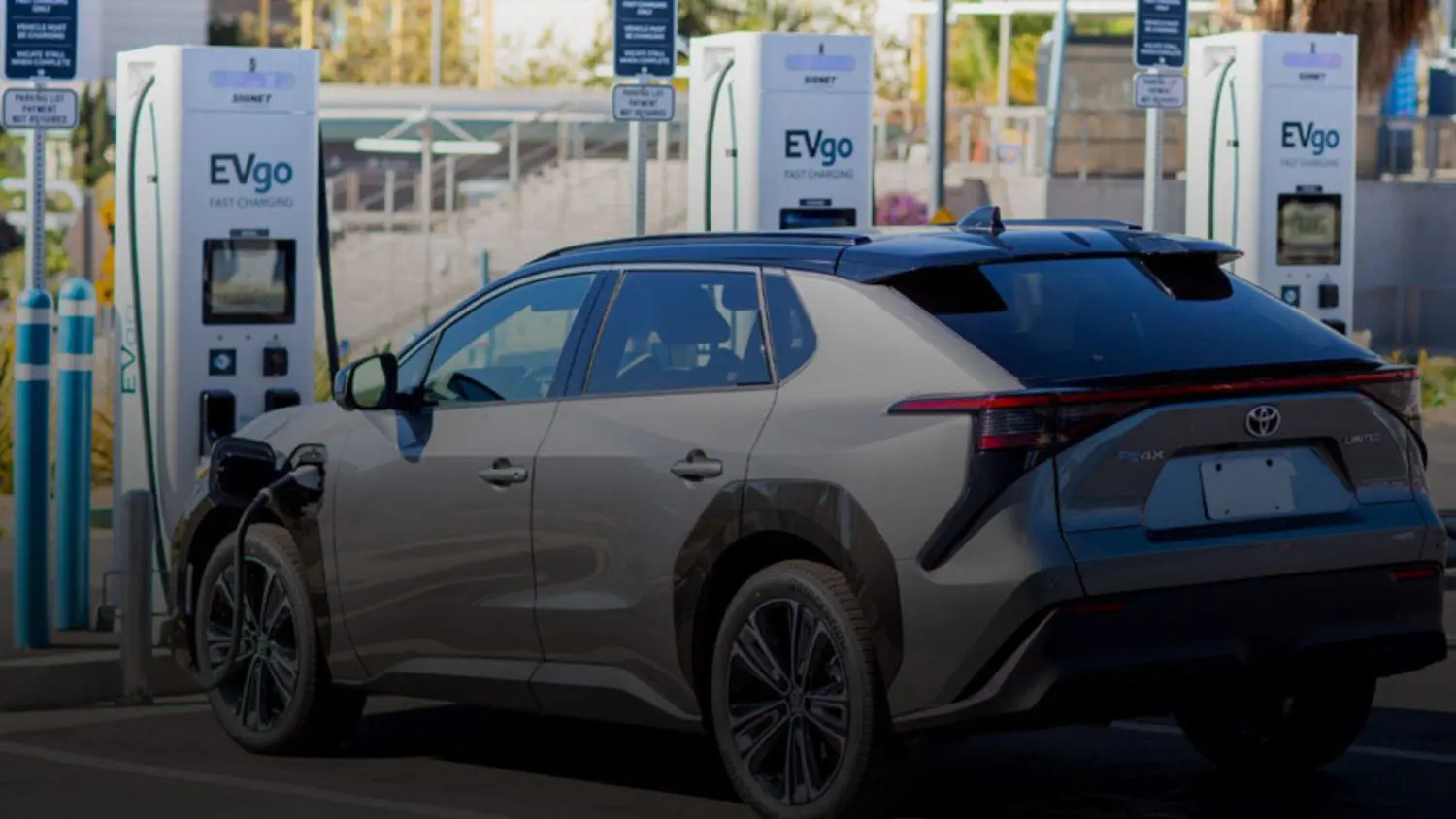
EPA said it plans to reconsider vehicle emissions rules, reversing rules that push automakers to increase EV production

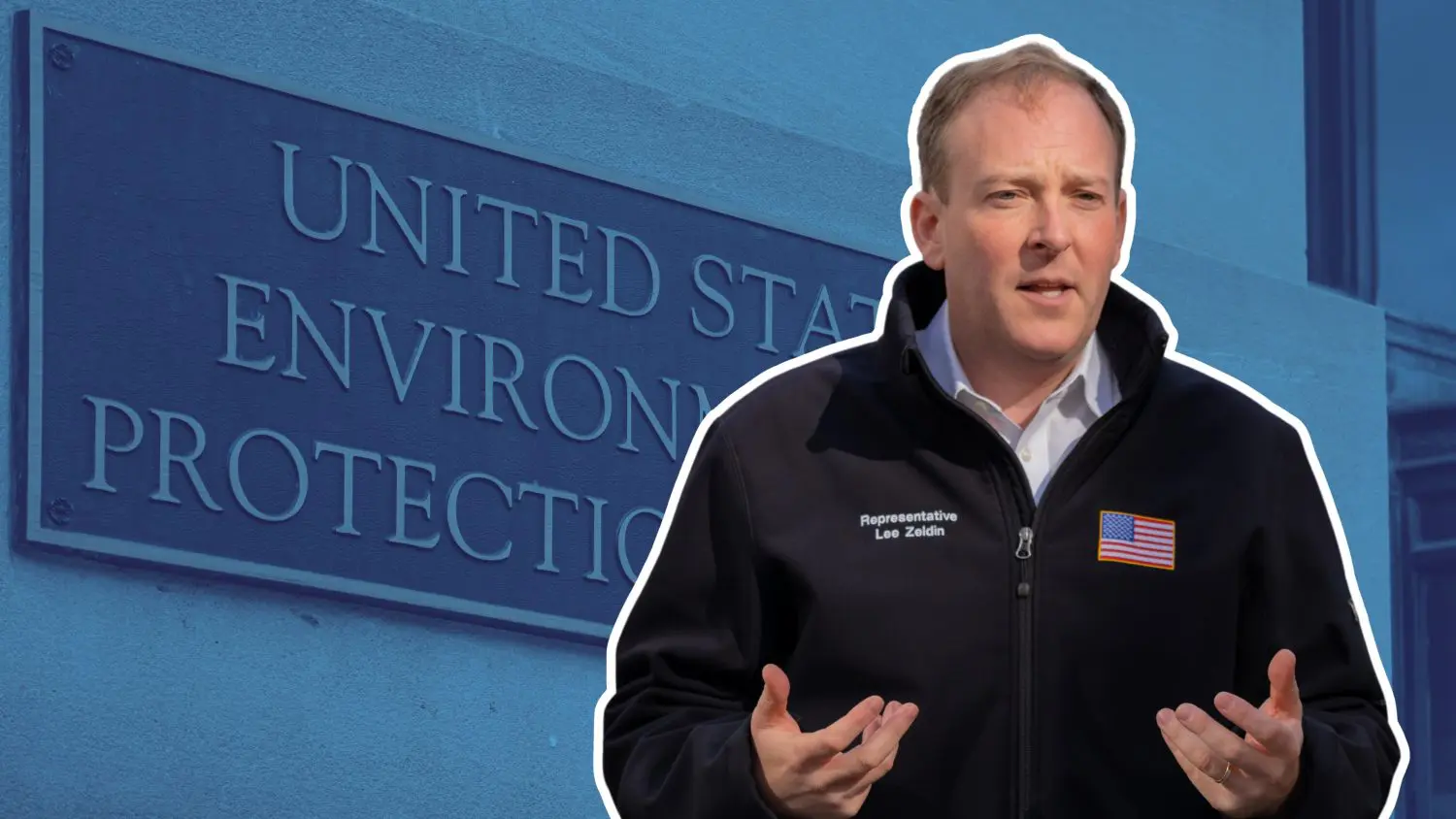
EPA select Lee Zeldin

The U.S. Environmental Protection Agency (EPA) announced plans to reconsider vehicle emissions regulations set by the Biden administration, potentially reversing rules that push automakers to increase electric vehicle (EV) production. This move aligns with broader efforts by the Trump administration to undo policies aimed at accelerating EV adoption.

The EPA’s review targets its 2024 regulation, which mandates a nearly 50% reduction in passenger vehicle fleetwide tailpipe emissions by 2032 compared to 2027 levels.

Sign up for CBT News’ daily newsletter and get the latest industry stories delivered straight to your inbox.

Compliance with this rule was expected to require EVs to account for 35% to 56% of new vehicle sales between 2030 and 2032, a target supported by automakers like Ford. The agency is also reconsidering a 2022 regulation aimed at significantly cutting smog- and soot-forming emissions from heavy-duty trucks, citing concerns over increased costs for truck manufacturers.

The 2022 standards, which were 80% stricter than previous regulations, were projected to prevent up to 2,900 premature deaths annually, reduce 1.1 million lost school days for children, and generate $29 billion in annual net benefits. Despite these benefits, the EPA is now reassessing the rule’s economic impact.

In February, the Biden administration approved California’s plan to phase out gasoline-only vehicle sales by 2035. Although Congress reviewed the decision, a government agency recently ruled that it cannot be repealed. Meanwhile, lawmakers are considering repealing federal EV tax credits, further complicating the future of EV incentives.

In a separate rollback, Transportation Secretary Sean Duffy has moved to rescind Biden-era fuel economy standards and halted funding for state-level EV charging infrastructure. The National Highway Traffic Safety Administration (NHTSA) previously raised fuel economy requirements to 50.4 miles per gallon by 2031, up from the current 39.1 mpg. This regulation was projected to cut gasoline consumption by 64 billion gallons through 2050 and reduce emissions by 659 million metric tons, with estimated net benefits of $35.2 billion. However, Duffy has directed NHTSA to reconsider fuel efficiency rules for heavy-duty pickup trucks and vans through 2035.

As the EPA, NHTSA, and Congress revisit these policies, the regulatory landscape for emissions, fuel economy, and EV adoption remains uncertain, shaping the future of the automotive industry.

Read More
More from Articles
Charlie Obaugh acquires Campus Ford in Virginia

Charlie Obaugh acquires Campus Ford in Virginia

- August 14, 2026
Charlie Obaugh Auto Group has acquired Campus Ford in Waynesboro, Virginia, from Matt McMurray. The transaction was announced in August 2026, with Performance Brokerage Services serving as the exclusive buy-side...
Revised USMCA proposals could cost billions annually, Detroit automakers warn

Revised USMCA proposals could cost billions annually, Detroit automakers warn

- August 14, 2026
On the Dash: USMCA revisions raising U.S. content thresholds to 50% could add at least $2 billion in annual costs per company. GM projects $2.5 billion to $3.5 billion in...
New-vehicle inventory tightens to 75 days' supply as July sales climb 8.5%

New-vehicle inventory tightens to 75 days’ supply as July sales climb 8.5%

- August 14, 2026
On the Dash: New-vehicle inventory drops to 75 days' supply as July sales climb 8.5%. Toyota, Lexus and Honda keep the tightest inventories while Stellantis works through excess stock. ...
Cox Automotive report finds dealers use AI widely, results still lag expectations

Cox Automotive report finds dealers use AI widely, results still lag expectations

- August 14, 2026
On the Dash: Focus AI investments on measurable dealership needs, not adoption for its own sake. Prepare teams for shoppers who are using AI before they reach the showroom. Build...
CBT News
Privacy Overview

This website uses cookies so that we can provide you with the best user experience possible. Cookie information is stored in your browser and performs functions such as recognising you when you return to our website and helping our team to understand which sections of the website you find most interesting and useful.