TSLA406.4307.28%
GM81.5000.65%
F14.8400.13%
RIVN16.7601.22%
CYD50.0302.11%
HMC26.440-0.63%
TM174.9500%
CVNA64.100-3.72%
PAG180.960-0.06%
LAD313.3800.72%
AN191.530-2.54%
GPI325.3300.42%
ABG199.5300.05%
SAH84.6100.36%
TSLA406.4307.28%
GM81.5000.65%
F14.8400.13%
RIVN16.7601.22%
CYD50.0302.11%
HMC26.440-0.63%
TM174.9500%
CVNA64.100-3.72%
PAG180.960-0.06%
LAD313.3800.72%
AN191.530-2.54%
GPI325.3300.42%
ABG199.5300.05%
SAH84.6100.36%
TSLA406.4307.28%
GM81.5000.65%
F14.8400.13%
RIVN16.7601.22%
CYD50.0302.11%
HMC26.440-0.63%
TM174.9500%
CVNA64.100-3.72%
PAG180.960-0.06%
LAD313.3800.72%
AN191.530-2.54%
GPI325.3300.42%
ABG199.5300.05%
SAH84.6100.36%

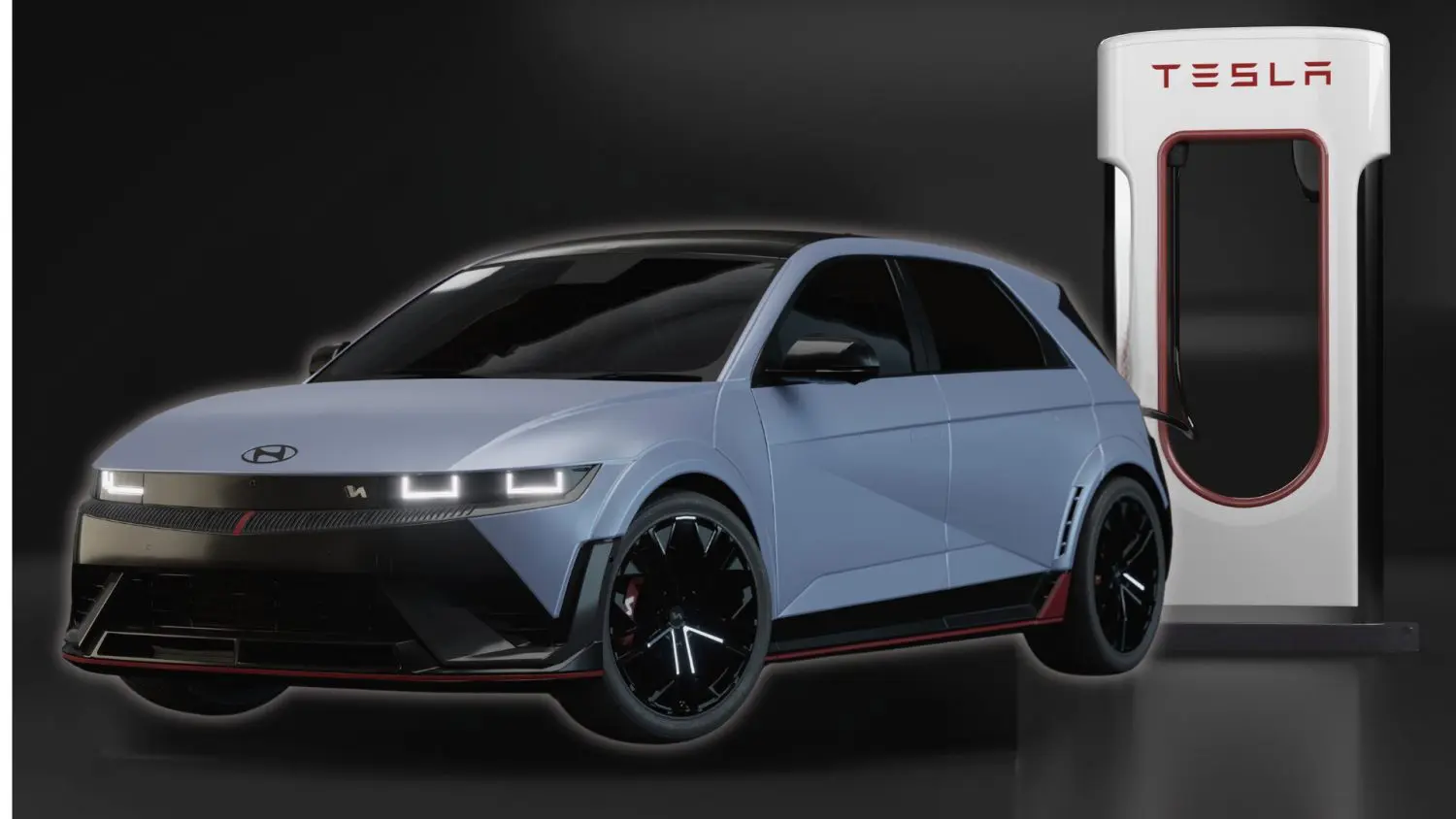
Hyundai to provide free CCS-to-Tesla NACS adapters

The free adapters are available to Hyundai customers who purchased or leased their EV on or before January 31, 2025.
Hyundai will send free CCS-to-NACS adapters to EV customers

Many consumers are interested in electric vehicles, but they cite their biggest hang-up: insufficient availability of fast and convenient charging. Hyundai is taking a significant step to increase charging convenience for its electric vehicle (EV) customers by offering free CCS-to-NACS adapters that will allow customers to access Tesla’s Supercharger network, improving accessibility for millions of customers nationwide.

Tesla’s Supercharger network is the most comprehensive EV charging network in the world, with over 27,000 Superchargers in the U.S. in all 50 states. However, most non-Tesla EVs have a CCS port incompatible with the Supercharging network unless they use the appropriate CCS-to-NACS adapter.

Hyundai’s offer of free adapters will help millions of customers improve their charging experience. The free adapters are available to Hyundai customers who purchased or leased their EV on or before January 31, 2025.

Eligible models include:

  • 2024 and earlier Kona Electric, Ionqiq hatchback, IONIQ 5, and IONIQ 6
  • Select 2025 models, including the IONIQ 6, IONIQ 5 N, and Kona Electric

In addition, a list of eligible Genesis vehicles will be released next year.

Hyundai will begin shipping adapters out in Q1 of 2025, and vehicle owners can claim their free adapter through the official My Hynudai owner portal. The automaker’s sister brand, Kia, will also begin distributing free NACS adapters to customers in early 2025.

The 2025 Ioniq 5 will have immediate access to the Supercharger network and will be the first non-Tesla EV to have an integrated NACS port.

Hyundai’s adoption of Tesla’s NACS standard is a key step toward greater interoperability in the EV market. By offering free adapters, the automaker is working to increase customer satisfaction, solidify its client’s EV loyalty, and secure its role as a leader within the EV market.
Read More
More from Articles
Used-vehicle inventory grows 4% as demand softens

Used-vehicle inventory grows 4% as demand softens

- June 15, 2026
On the Dash: Used-vehicle inventory increased 4% month over month to 2.12 million units. Average listing prices climbed to $26,918, the highest level since mid-2023. Retail used-vehicle sales fell 3.9%...
Shawn Fain seeks reelection as UAW convention tackles major policy issues

Shawn Fain seeks reelection as UAW convention tackles major policy issues

- June 15, 2026
On the Dash: UAW delegates will debate higher strike pay, union dues, and investments in organizing. President Shawn Fain remains the frontrunner despite criticism from a federal monitor and internal...
Rivian CEO RJ Scaringe backs humanoid robots as next frontier in manufacturing

Rivian CEO RJ Scaringe backs humanoid robots as next frontier in manufacturing

- June 15, 2026
On the Dash: Rivian CEO RJ Scaringe expects humanoid robots to work alongside factory employees within the next few years. Rivian-backed startup Mind Robotics has raised more than $1 billion...
Mexico's auto output holds steady as U.S. trade pressure mounts.

Mexico’s auto output holds steady as U.S. trade pressure mounts

- June 15, 2026
On the Dash: Mexico's auto industry built 1.64 million vehicles through May, nearly flat with a year ago. Exports rose 4% to 1.39 million units, with the U.S. taking 75%...