TSLA400.38011.48%
GM81.2703.22%
F12.8800.44%
RIVN17.2000.31%
CYD43.2300.9081%
HMC25.0100.65%
TM217.4004.54%
CVNA389.31027.07%
PAG161.4205.4%
LAD282.5307.66%
AN207.7009.41%
GPI349.72014.24%
ABG211.0606.97%
SAH70.8403.47%
TSLA400.38011.48%
GM81.2703.22%
F12.8800.44%
RIVN17.2000.31%
CYD43.2300.9081%
HMC25.0100.65%
TM217.4004.54%
CVNA389.31027.07%
PAG161.4205.4%
LAD282.5307.66%
AN207.7009.41%
GPI349.72014.24%
ABG211.0606.97%
SAH70.8403.47%
TSLA400.38011.48%
GM81.2703.22%
F12.8800.44%
RIVN17.2000.31%
CYD43.2300.9081%
HMC25.0100.65%
TM217.4004.54%
CVNA389.31027.07%
PAG161.4205.4%
LAD282.5307.66%
AN207.7009.41%
GPI349.72014.24%
ABG211.0606.97%
SAH70.8403.47%

Trump’s tariffs threaten to slow U.S. EV market after 1M milestone

While the EV market has achieved a significant milestone, progress may slow if Trump's tariff threats are enacted.
tariffs

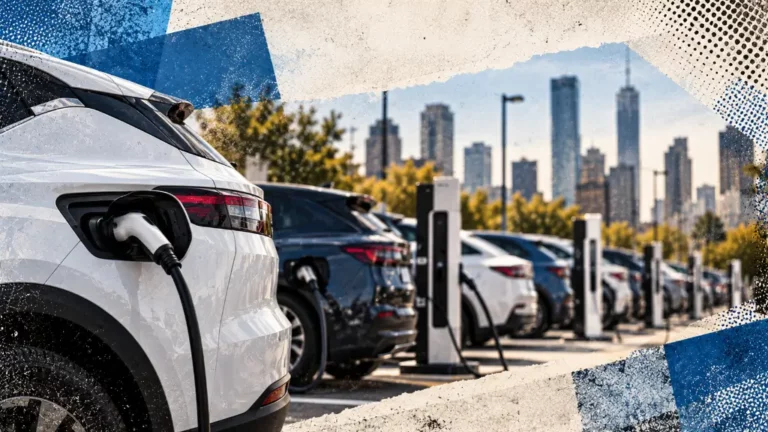
The electric vehicle (EV) market has hit a significant milestone, surpassing 1 million vehicles sold in the U.S., and is poised for further growth as EV prices continue to drop and get closer to the price of gasoline cars.

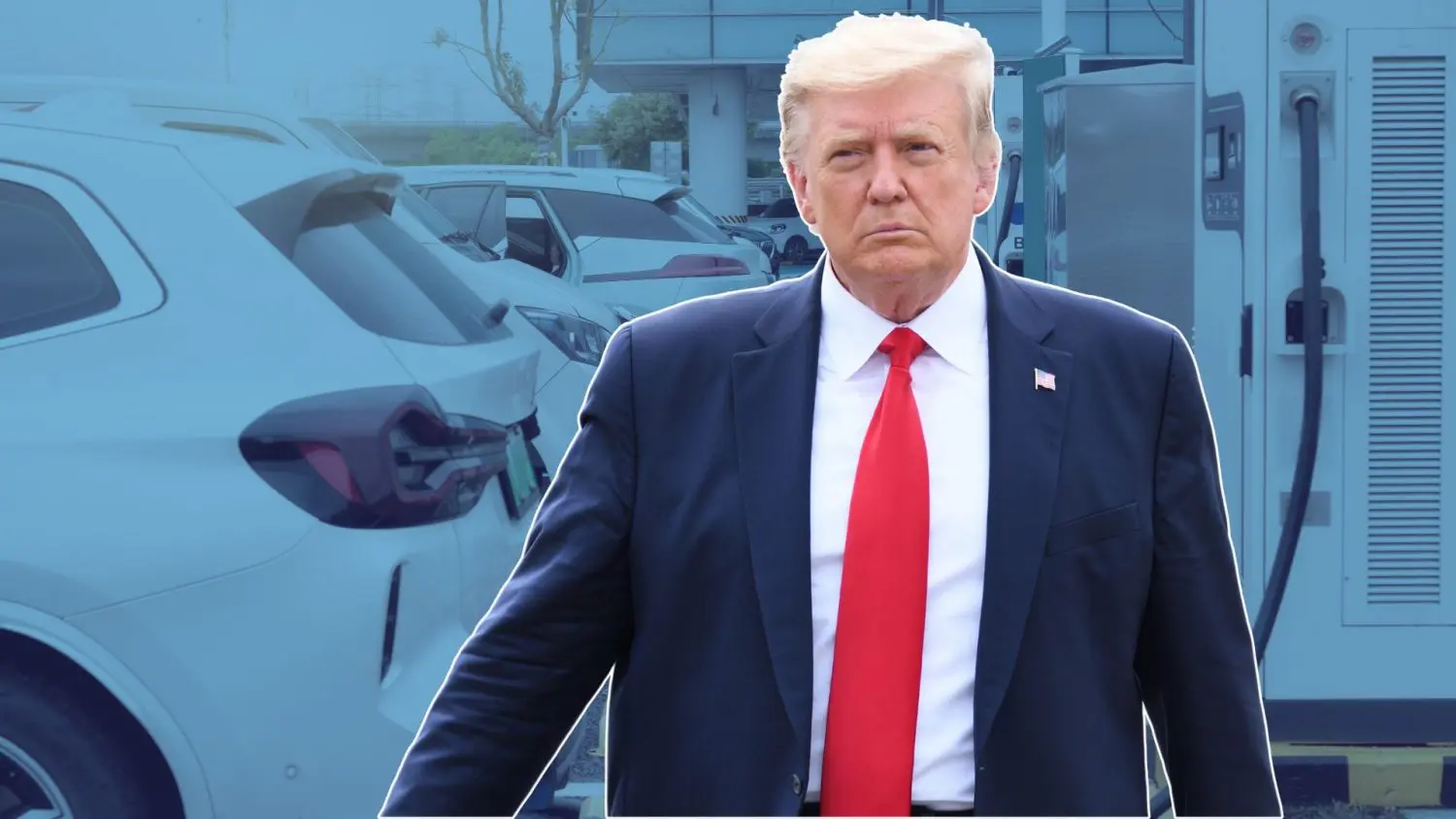
However, this momentum may be at risk due to potential policy shifts under President-elect Donald Trump’s leadership. His “America First” agenda, which includes significant tariffs on imported goods, could have unintended consequences for the rapidly growing EV sector.

These proposed tariffs could significantly raise the costs of materials essential to the U.S. EV industry, potentially slowing the transition to cleaner energy. His plan to impose 10% to 20% tariffs on all imported goods and 60% to 100% tariffs on Chinese products could add billions of dollars to the cost of items like electric vehicle (EV) batteries, steel, and other materials needed for renewable energy projects.

China dominates the global battery market, producing 85% of the world’s battery anodes and 75% of battery cells. U.S. companies imported $4 billion worth of lithium-ion batteries from China in 2022, and proposed tariffs could more than double costs, making batteries more expensive for EVs, solar systems, and grid storage. Similarly, steel, crucial for building wind turbines, solar farms, and other clean energy infrastructure, often comes from countries like Mexico and Canada. With tariffs, U.S. companies could face an additional $1.1 billion to $4.2 billion in costs for steel.

The electric vehicle market would also be hit, as the U.S. is the largest importer of EVs, with $44 billion in imports last year. Trump’s proposed tariffs could add $4.4 billion to $8.8 billion to the cost of EVs, depending on the tariff rate, particularly impacting vehicles from Mexico, which exports EVs made by companies like Ford and GM.

While tariffs could encourage more domestic manufacturing, critics argue that they would increase costs for U.S. companies and consumers. Economists warn that tariffs could fuel inflation, trigger retaliatory measures, and stifle broader economic growth. For cleantech companies, the higher expenses could undermine the goal of scaling up low-emissions energy systems, particularly since U.S. manufacturing costs are higher than those in China and other countries.

While tariffs might bring some manufacturing back to the U.S., they could also slow the clean energy revolution and hinder the nation’s ability to compete with China’s well-established supply chains.


Read More


More from Articles
STL launches ‘Neuralis’ in the US: A high-performance Data Center portfolio engineered for the AI era

STL launches ‘Neuralis’ in the US: A high-performance Data Center portfolio engineered for the AI era

- April 17, 2026
Washington, United States, 17/April/2026: STL Optical Connectivity NA, LLC,  (STLOC),  a U.S. subsidiary of STL [NSE: STLTECH], a leading connectivity solutions provider for AI-ready digital infrastructure, today announced the U.S. launch of Neuralis, its flagship...
GM leans on global production to supply U.S. market amid cost pressures

GM leans on global production to supply U.S. market amid cost pressures

- April 17, 2026
On the Dash: Imported inventory may create variability in delivery timing and supply consistency. Trade policy shifts could impact the pricing and availability of certain models. Global production strategies may...
Volkswagen ends U.S. EV output, triggering $600 million financial hit 

Volkswagen ends U.S. EV output, triggering $600 million financial hit 

- April 17, 2026
On the Dash: Slower EV demand may impact inventory planning and turn rates for electric models. Production pullbacks could tighten EV supply or shift sourcing toward imports. Ongoing cost pressures...
March sales surge tightens inventory, affordability gaps persist

March sales surge tightens inventory, affordability gaps persist

- April 17, 2026
On the Dash: Faster March sales improved inventory flow, but demand remains uneven heading into Q2. Limited sub-$40K inventory continues to constrain volume opportunities. Rising incentives indicate growing pressure to...
CBT News
Privacy Overview

This website uses cookies so that we can provide you with the best user experience possible. Cookie information is stored in your browser and performs functions such as recognising you when you return to our website and helping our team to understand which sections of the website you find most interesting and useful.