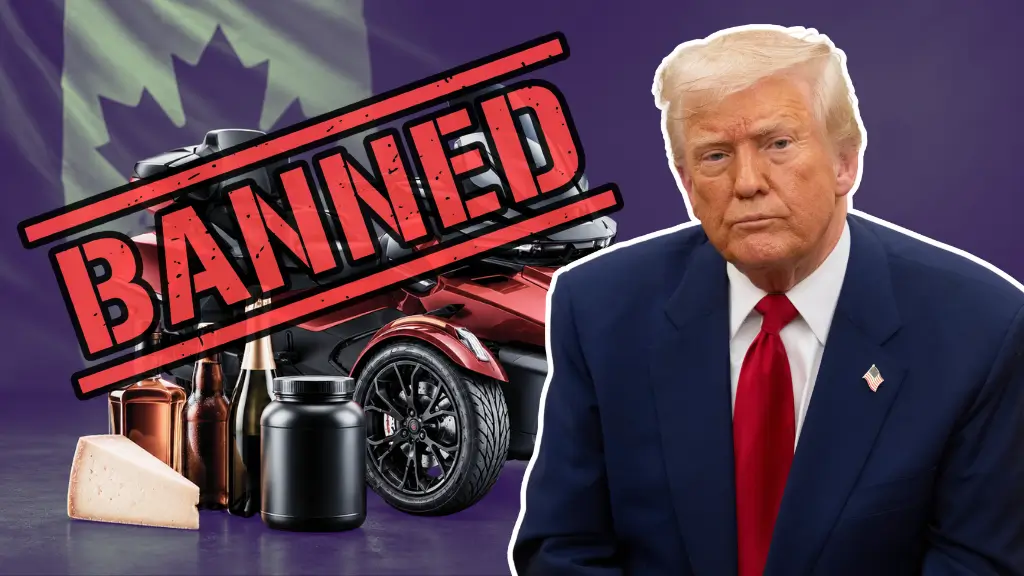
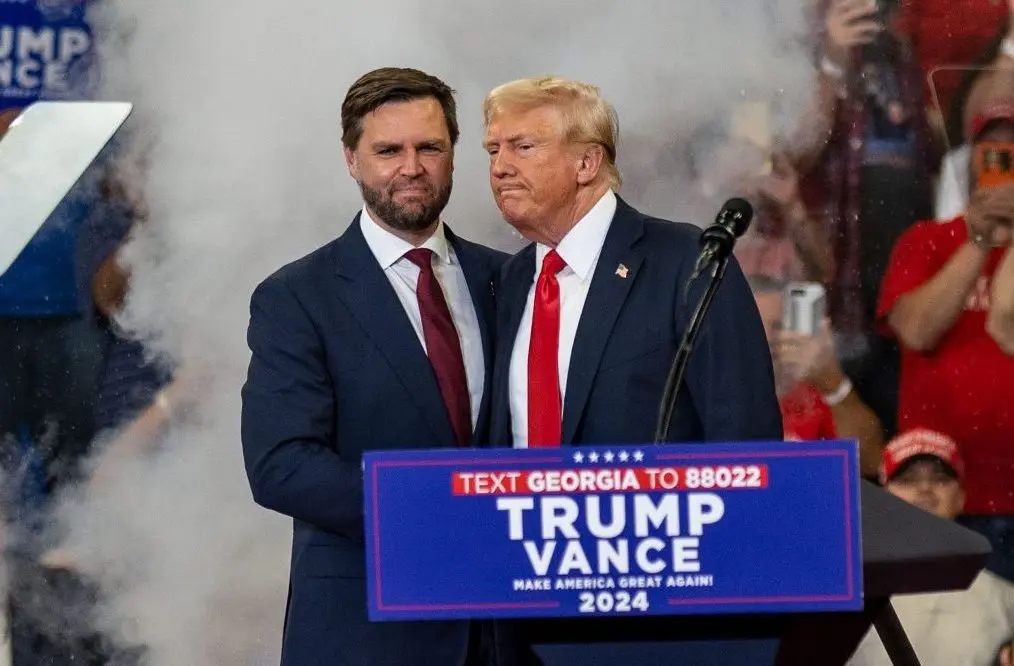
In a historic political comeback, former President Donald Trump decisively defeated Vice President Kamala Harris to secure another term in the White House, returning to office for the first time since losing in 2020. Trump’s victory is expected to significantly alter the nation’s economic, trade, and automotive policy, particularly concerning electric vehicle (EV) regulations and foreign trade. Trump’s victory positions him to steer the U.S. on a different course from the policies implemented by the Biden administration over the past four years.
Securing over 270 electoral votes, Trump reclaimed battleground states, achieving a historic feat as the first president since Grover Cleveland to regain office after a prior defeat. His win follows a period marked by two impeachments, multiple legal battles, and a 2024 campaign launched from his Florida residence, Mar-a-Lago.
Trump’s presidency will likely reduce the regulatory pressures on automakers to shift toward EVs, easing stringent emissions rules and revisiting incentives that have fueled growth in the sector. With a Republican-controlled Senate, Trump could set aside provisions within the Inflation Reduction Act (IRA), explicitly targeting clean energy tax credits that incentivize EV purchases. However, industry leaders fear such cuts could weaken the North American auto industry’s competitiveness and decrease demand for EVs.
Trump is also expected to tighten trade policies affecting China’s vehicle parts industry, potentially expanding tariffs on imported battery components and related technologies. These actions could bolster domestic production but at the cost of increased manufacturing expenses, as American automakers rely on these components to keep EV costs manageable.
Analysts anticipate Trump’s trade policies may lead to further tariffs on EV batteries and a broader application of the Uyghur Forced Labor Prevention Act. While aimed at reducing dependence on China, these measures could disrupt the EV supply chain and increase costs for U.S. manufacturers.
Further, the Trump administration may restrict California’s ability to set independent emissions standards, a waiver upheld during the Biden years. California’s standards have set a high bar for zero-emission goals and influenced 17 other states. However, Trump’s proposed regulatory rollback could challenge states’ control over emissions policies, posing a setback to industry-led innovations in green technology.
This policy shift may offer Tesla CEO Elon Musk, a vocal Trump supporter, the opportunity to influence the EV sector. Musk has suggested using his connection with Trump to advance federal support for autonomous vehicle standards, potentially expediting a streamlined approval process across states.
Despite potential policy shifts, automotive companies remain divided. Prominent brands like Ford, GM, and Volvo have pledged adherence to California’s zero-emission standards. Yet, Trump’s agenda could still affect the trajectory of EV infrastructure, from charging networks to federal support for manufacturing.
With Trump’s return, automakers face an uncertain regulatory and trade landscape, complicating the industry’s rapid transformation to electrification.