Electric vehicle startup Rivian Automotive is navigating significant supply chain disruptions but remains optimistic about reporting its first-ever gross profit by the end of 2024. Despite a third-quarter parts shortage that slowed production, the company continues to push forward with its profitability target, citing a mix of higher selling prices, reduced manufacturing costs, and sales of regulatory credits as key factors helping to offset delivery delays.
The EV maker faced a shortage of copper wiring for its electric motors in the third quarter, forcing the company to halt or slow down assembly lines. This issue led Rivian to revise its production forecast for 2024, reducing its expected output from 57,000 vehicles to between 47,000 and 49,000. However, the company aims to achieve profitability by the end of the year, which would mark a significant milestone after it has spent heavily to ramp up production of its R1T pickup and R1S SUV, priced at $70,000 and $76,000, respectively.
To support its financial goals, Rivian plans to sell $300 million in regulatory credits this year, with $275 million expected in the fourth quarter. These credits are sold to other automakers who fail to meet emissions standards, further boosting the company’s bottom line.
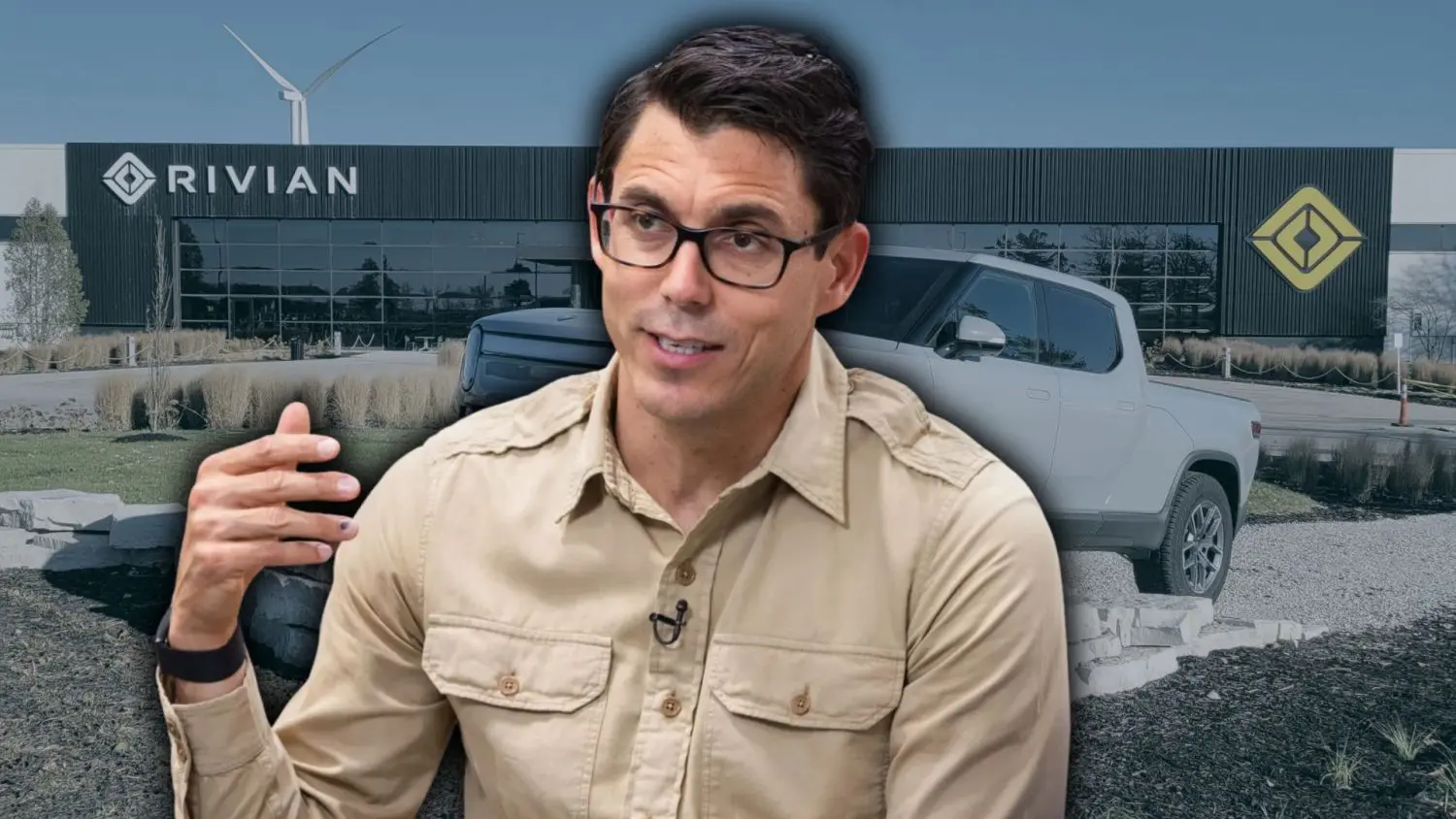
In addition, Rivian’s CEO, RJ Scaringe, has long promised that the company could turn a profit by the end of 2024, despite previously losing tens of thousands of dollars on every vehicle sold.
However, Rivian’s Q3 earnings report also revealed challenges. The company reported an adjusted loss-per-share of 99 cents, which exceeded analysts’ expectations of a 91-cent loss. Revenue for the quarter declined to $874 million, missing Wall Street’s forecast. Moreover, Rivian burned through $1.2 billion in cash reserves, double the expected amount. The company has already spent over $19 billion since its public debut in 2021, with Scaringe emphasizing that 2024 must be the year Rivian proves it can become a sustainable business.
In response to financial pressures, Rivian laid off 10% of its workforce and delayed plans for a new factory in Georgia to conserve cash. The company has also pursued a $5 billion joint-venture deal with Volkswagen Group to ensure long-term financial stability. This collaboration is set to finalize soon as the teams focus on developing new hardware and software for future vehicles, including models from Volkswagen’s Audi and Scout brands.
Moreover, to streamline costs, Rivian has undertaken a significant hardware redesign that consolidates 17 smaller computers in its vehicles into just seven more powerful units. This change is expected to significantly reduce production costs; however, the company needs to ramp up vehicle production to fully capitalize on these savings.
Despite the challenges, Rivian is optimistic about launching a more affordable model priced around $45,000, which they expect will generate stronger consumer demand than their existing offerings. As Rivian works to stabilize its finances, its success will largely depend on its ability to navigate supply chain issues, increase production, and boost vehicle sales, which are crucial for meeting its ambitious profitability goals.