TSLA390.8209.19%
GM75.770-1.12%
F11.880-0.2001%
RIVN15.020-1.38%
CYD40.000-1.21%
HMC24.090-0.25%
TM188.710-3.91%
CVNA382.600-13.2%
PAG169.840-1.68%
LAD290.9000.78%
AN210.000-2.38%
GPI353.670-3.2%
ABG203.010-0.68%
SAH76.430-2.32%
TSLA390.8209.19%
GM75.770-1.12%
F11.880-0.2001%
RIVN15.020-1.38%
CYD40.000-1.21%
HMC24.090-0.25%
TM188.710-3.91%
CVNA382.600-13.2%
PAG169.840-1.68%
LAD290.9000.78%
AN210.000-2.38%
GPI353.670-3.2%
ABG203.010-0.68%
SAH76.430-2.32%
TSLA390.8209.19%
GM75.770-1.12%
F11.880-0.2001%
RIVN15.020-1.38%
CYD40.000-1.21%
HMC24.090-0.25%
TM188.710-3.91%
CVNA382.600-13.2%
PAG169.840-1.68%
LAD290.9000.78%
AN210.000-2.38%
GPI353.670-3.2%
ABG203.010-0.68%
SAH76.430-2.32%

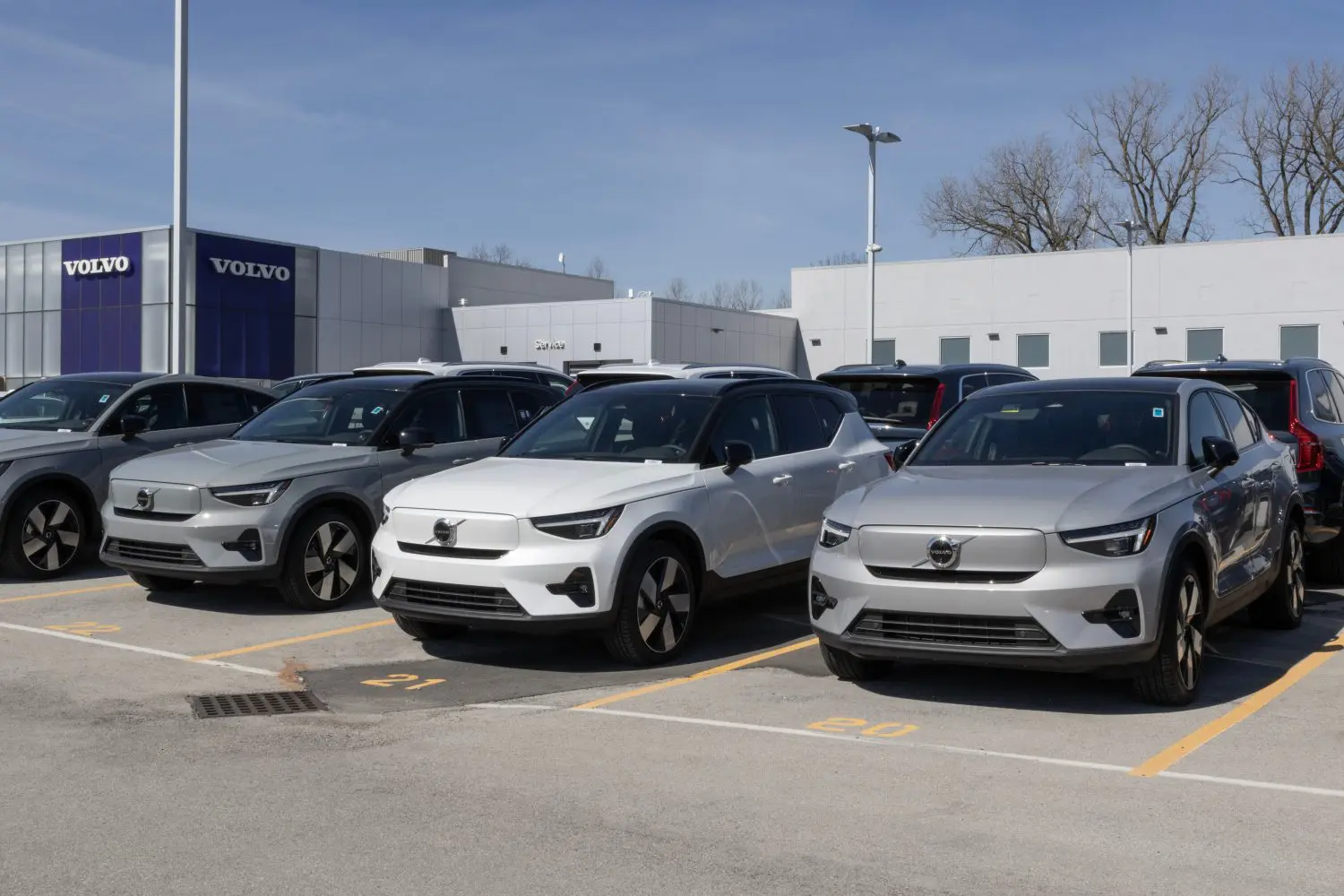
Volvo revises 2030 EV goal, plans to keep hybrids in lineup

Volvo’s CEO, Jim Rowan, reiterated the company’s commitment to an electric future.
Volvo Cars has revised its plan to go fully electric by 2030, announcing that it will continue to offer hybrid models in its lineup.

Swedish automaker Volvo Cars has revised its ambitious plan to go fully electric by 2030, announcing that it will continue to offer hybrid models in its lineup beyond that deadline. This decision reflects the evolving market demand and challenges surrounding electric vehicle (EV) adoption, such as the lack of affordable models and the slow expansion of charging infrastructure. Volvo now expects that by 2030, between 90% and 100% of its sales will come from electric or plug-in hybrid vehicles, with up to 10% being mild hybrids, which use electric power to supplement combustion engines.

Despite the adjustment, Volvo maintains that plug-in hybrids will be crucial to its profit growth. The company plans to update its hybrid XC90 and expects to deliver the first updated SUVs by the end of the year.

Volvo, majority-owned by China’s Geely, had previously been a strong advocate for full electrification, producing flagship electric SUVs like the EX90 and EX30. However, with the increasing consumer demand for hybrid vehicles, Volvo has joined other automakers, such as Toyota and Renault, in acknowledging that hybrids remain attractive to buyers due to concerns about EV range and affordability.

Volvo’s CEO, Jim Rowan, reiterated the company’s commitment to an electric future, stating, “We are resolute in our belief that our future is electric,” but acknowledged that the transition will vary by market. By 2025, the company expects electrified vehicles, including hybrids and full EVs, to represent 50% to 60% of sales.

In response to shifting market conditions, Volvo is also calling for stronger governmental support to accelerate the adoption of electric vehicles. Meanwhile, the company continues to develop new electric models, including the upcoming ES90 sedan, which was previewed during an event showcasing the EX90. The pivot toward hybrids highlights the complexity of the global push for greener automotive solutions as Volvo and other manufacturers balance innovation with practicality.

Read More
More from Articles
Ransomware attacks more than doubled in 2025, and the targets now include the vehicles themselves, says a new report from cybersecurity firm Halcyon.

Ransomware attacks on auto industry rise, the security steps you need to take now

- May 1, 2026
On the Dash: Ransomware attacks on the auto industry more than doubled in 2025, accounting for 44% of all cyber incidents. Suppliers are the weakest link, giving criminals a back...
Stellantis, Volkswagen report mixed Q1 results

Stellantis, Volkswagen report mixed Q1 results

- May 1, 2026
On the Dash: Stellantis reports weaker Q1 profitability tied to pricing normalization, higher costs and inventory adjustments. Volkswagen posts an earnings decline amid EV investments and rising operating expenses. Both...
UAW monitor cites governance failures in delayed strike fund investments

UAW monitor cites governance failures in delayed strike fund investments

- May 1, 2026
On the Dash: Federal monitor identifies governance, communication, and oversight failures tied to delayed reinvestment of strike funds. Report finds no misconduct but cites leadership tensions and unclear responsibilities. Monitor...
Rivian increases Georgia plant capacity to 300,000 units, narrows Q1 losses

Rivian increases Georgia plant capacity to 300,000 units, narrows Q1 losses

- May 1, 2026
On the Dash: Rivian is scaling production capacity to cut costs and support its lower-priced R2 strategy. Federal policy changes and softer EV demand are shaping near-term planning. Financial results...
CBT News
Privacy Overview

This website uses cookies so that we can provide you with the best user experience possible. Cookie information is stored in your browser and performs functions such as recognising you when you return to our website and helping our team to understand which sections of the website you find most interesting and useful.