TSLA402.32013.42%
GM81.3803.33%
F12.8890.4493%
RIVN17.2350.345%
CYD43.1200.7981%
HMC25.0250.665%
TM217.7954.935%
CVNA385.74223.50249%
PAG161.0405.02%
LAD281.6106.73999%
AN207.6909.4%
GPI346.81011.33%
ABG210.2606.17%
SAH70.3102.94%
TSLA402.32013.42%
GM81.3803.33%
F12.8890.4493%
RIVN17.2350.345%
CYD43.1200.7981%
HMC25.0250.665%
TM217.7954.935%
CVNA385.74223.50249%
PAG161.0405.02%
LAD281.6106.73999%
AN207.6909.4%
GPI346.81011.33%
ABG210.2606.17%
SAH70.3102.94%
TSLA402.32013.42%
GM81.3803.33%
F12.8890.4493%
RIVN17.2350.345%
CYD43.1200.7981%
HMC25.0250.665%
TM217.7954.935%
CVNA385.74223.50249%
PAG161.0405.02%
LAD281.6106.73999%
AN207.6909.4%
GPI346.81011.33%
ABG210.2606.17%
SAH70.3102.94%

NHTSA investigates over 3 million Honda vehicles after 47 crashes reported

The preliminary examination, which started in February 2022, includes around 1.7 million Honda vehicles
Honda, gas-powered

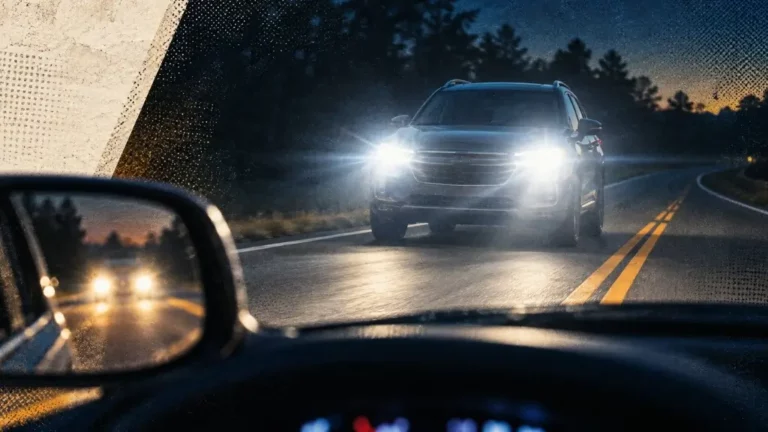
On April 17, the U.S. National Highway Traffic Safety Administration (NHTSA) made a significant announcement. It revealed that it had escalated its investigation into a serious issue- the abrupt activation of the automated emergency braking systems in approximately 3 million Honda Motor vehicles.

The NHTSA is conducting a comprehensive engineering analysis, including a thorough investigation into Honda’s popular Accord sedans and CR-V crossover SUVs. The scale of the issue is evident from the 2,876 consumer complaints, 93 injury incidents, and 47 crashes that have been reported, all related to Honda vehicles with specific vehicle identification numbers (VINs) that may be linked to the issue.

The regulator initiated an investigation into reports that Honda vehicles’ automatic emergency braking systems engaged when no visible barrier was present in the vehicle’s path. This preliminary examination, which started in February 2022, includes around 1.7 million Honda vehicles.

The NHTSA has extended its investigation to cover versions of the Honda CR-V and Accord from 2020 to 2022, even though the initial assessment only looked at vehicles from the 2017–2019 and 2018–2019 model years.

Moreover, Honda’s Autonomous Emergency Braking system uses radar and cameras to provide intense braking pressure when an accident is unavoidable. However, it first provides drivers with visual and auditory alerts before activation.
Read More
More from Articles
STL launches ‘Neuralis’ in the US: A high-performance Data Center portfolio engineered for the AI era

STL launches ‘Neuralis’ in the US: A high-performance Data Center portfolio engineered for the AI era

- April 17, 2026
Washington, United States, 17/April/2026: STL Optical Connectivity NA, LLC,  (STLOC),  a U.S. subsidiary of STL [NSE: STLTECH], a leading connectivity solutions provider for AI-ready digital infrastructure, today announced the U.S. launch of Neuralis, its flagship...
GM leans on global production to supply U.S. market amid cost pressures

GM leans on global production to supply U.S. market amid cost pressures

- April 17, 2026
On the Dash: Imported inventory may create variability in delivery timing and supply consistency. Trade policy shifts could impact the pricing and availability of certain models. Global production strategies may...
Volkswagen ends U.S. EV output, triggering $600 million financial hit 

Volkswagen ends U.S. EV output, triggering $600 million financial hit 

- April 17, 2026
On the Dash: Slower EV demand may impact inventory planning and turn rates for electric models. Production pullbacks could tighten EV supply or shift sourcing toward imports. Ongoing cost pressures...
March sales surge tightens inventory, affordability gaps persist

March sales surge tightens inventory, affordability gaps persist

- April 17, 2026
On the Dash: Faster March sales improved inventory flow, but demand remains uneven heading into Q2. Limited sub-$40K inventory continues to constrain volume opportunities. Rising incentives indicate growing pressure to...
CBT News
Privacy Overview

This website uses cookies so that we can provide you with the best user experience possible. Cookie information is stored in your browser and performs functions such as recognising you when you return to our website and helping our team to understand which sections of the website you find most interesting and useful.