TSLA358.970-6.47%
GM87.1601.545%
F13.850-0.12%
RIVN15.860-0.17%
CYD35.000-0.82%
HMC32.490-0.03%
TM197.560-0.64%
CVNA70.8651.705%
PAG217.1501.24%
LAD360.2702.25001%
AN205.5901.92%
GPI284.0105.74%
ABG208.9100.41%
SAH76.2900.39%
TSLA358.970-6.47%
GM87.1601.545%
F13.850-0.12%
RIVN15.860-0.17%
CYD35.000-0.82%
HMC32.490-0.03%
TM197.560-0.64%
CVNA70.8651.705%
PAG217.1501.24%
LAD360.2702.25001%
AN205.5901.92%
GPI284.0105.74%
ABG208.9100.41%
SAH76.2900.39%
TSLA358.970-6.47%
GM87.1601.545%
F13.850-0.12%
RIVN15.860-0.17%
CYD35.000-0.82%
HMC32.490-0.03%
TM197.560-0.64%
CVNA70.8651.705%
PAG217.1501.24%
LAD360.2702.25001%
AN205.5901.92%
GPI284.0105.74%
ABG208.9100.41%
SAH76.2900.39%

China’s EV exports surge boosts global ship orders, puts pressure on Stellantis in Italy

China's aggressive export strategy has sparked controversy, with the U.S. and EU accusing China of flooding the market and having industrial overcapacity.
China's EV industry is driving a surge in ship orders, suggesting it could have the world's fourth-largest fleet of car carriers by 2028.

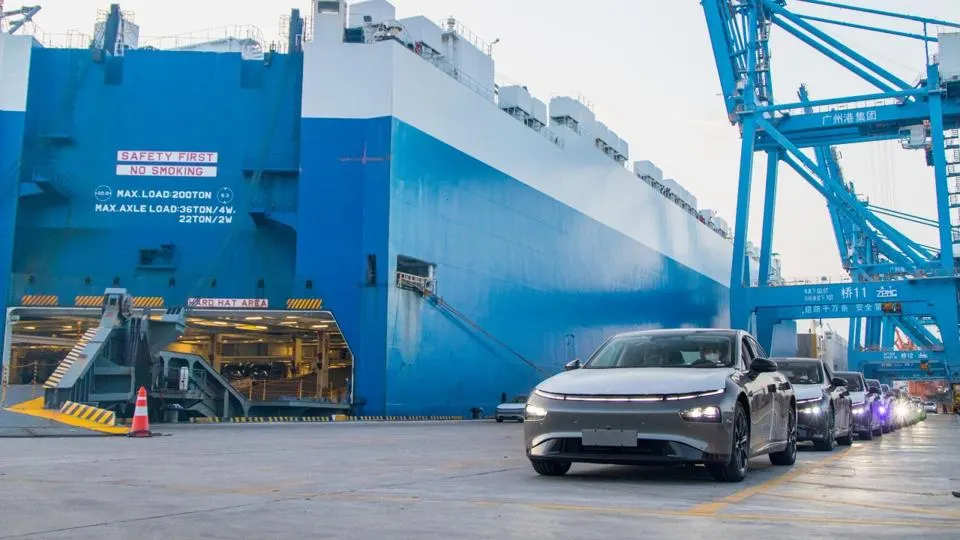
Xpeng | P7 electric sedans are loaded up for delivery

China’s electric vehicle (EV) export industry is causing a surge in orders for car-carrying ships, with predictions suggesting that China could have the world’s fourth-largest fleet of such vessels by 2028.

Currently, China has the eighth-largest fleet, but companies like SAIC Motor, Chery Automobile, and BYD, along with shipping giants COSCO and China Merchants, are leading the charge by ordering 47 new vessels. This move is expected to increase China’s global car carrier fleet share from 2.4% to 8%. China is also opening up new trade routes specifically for Chinese automakers.

The surge in ship orders also highlights China’s increasing role as a significant player in the global automotive market. Additionally, China has surpassed Japan as the largest auto exporter, with BYD leading the way by exporting 8% of its total sales. This expansion is supported by competitive pricing, economic incentives, and an efficient manufacturing sector that has attracted foreign firms like Tesla and Volkswagen to produce and export vehicles from China.

As shipping costs continue to rise, automakers are increasingly investing in their own fleets, with charter rates for car carriers expected to increase more than sevenfold. However, China’s aggressive export strategy has sparked controversy, with the U.S. and EU accusing China of flooding the market and having industrial overcapacity. China counters these claims by emphasizing its focus on innovation and economic growth, stating that the shipbuilding industry, particularly in the car carrier segment, remains a niche with growth potential.

Meanwhile, foreign automakers entering Italy, including Chinese firms and Tesla, pose strategic challenges for domestic players like Stellantis. The potential increase in competition could lead to difficult decisions, including possible plant closures, despite Stellantis’ efforts to remain competitive. Carlos Tavares, Stellantis CEO, has expressed the company’s readiness to face competition, emphasizing its substantial presence in Italy and plans for electrification, including producing an electrified Fiat Panda.

The changing landscape of the industry in Italy, marked by foreign investments and a move towards electrification, reflects broader industry trends. Price competition is intensifying, exemplified by BYD’s price reductions, and there is an anticipated squeeze on profit margins. These dynamics underline the strategic shifts required for traditional automakers like Stellantis to navigate the changing market, driven by the global expansion of Chinese automakers and the increasing influence of EV technology.
Read More
More from Articles
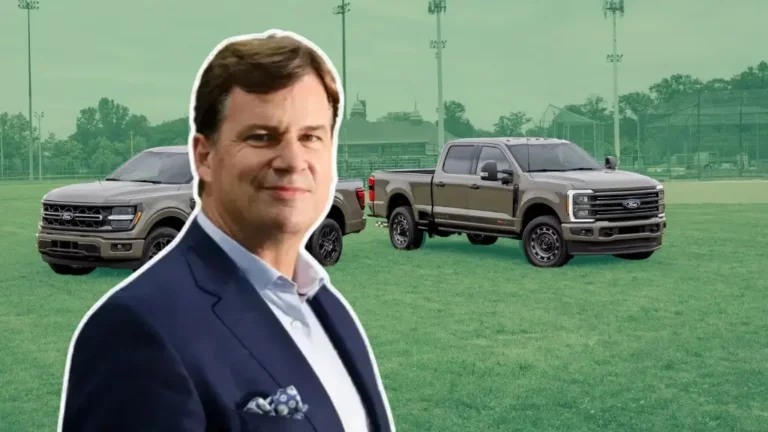
Ford expands F-150 lineup with $4,195 Carhartt package for 2027

Ford expands F-150 lineup with $4,195 Carhartt package for 2027

- September 15, 2026
On the Dash: The 2027 F-150 Carhartt Package starts at $62,660, with the package itself priced at $4,195 before destination charges. The package adds unique 20-inch wheels, Carhartt badging,...
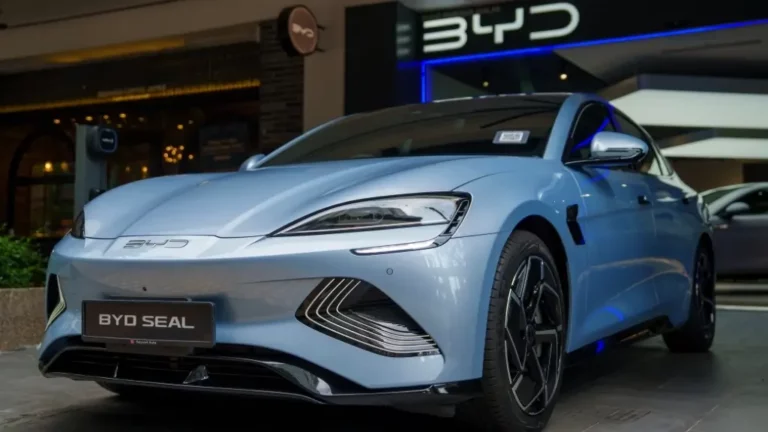
Chinese vehicle entry looks unlikely as U.S. brands face a shifting market

Chinese vehicle entry looks unlikely as U.S. brands face a shifting market

- September 15, 2026
On the Dash:  Chinese automakers face significant barriers to U.S. market entry, including tariffs and restrictions on connected-vehicle technology. Hybrids could reach 34% of the U.S. market by 2030, giving...
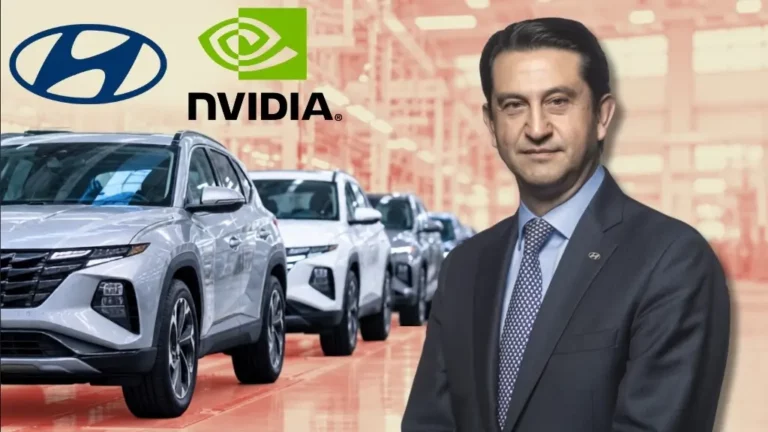
Hyundai moves toward autonomous driving, partners with Nvidia on 2028 driver-assist system

Hyundai moves toward autonomous driving, partners with Nvidia on 2028 driver-assist system

- September 15, 2026
On the Dash: Nvidia-based Level 2+ systems arrive in early 2028, with Hyundai's own Atria AI in 2029. Level 2+ and Level 2++ stay supervised, so drivers remain responsible for...
Force Marketing Expands to 16 OEM Certified Partnerships with Addition of Acura, Honda, Hyundai and Nissan

Force Marketing Expands to 16 OEM Certified Partnerships with Addition of Acura, Honda, Hyundai and Nissan

- September 14, 2026
Atlanta, Sept. 14, 2026 (GLOBE NEWSWIRE) -- Force Marketing, a leading data-driven technology and marketing provider in the automotive sector, has added Acura, Honda, Hyundai and Nissan to its certified partnership...
CBT News
Privacy Overview

This website uses cookies so that we can provide you with the best user experience possible. Cookie information is stored in your browser and performs functions such as recognising you when you return to our website and helping our team to understand which sections of the website you find most interesting and useful.