Tesla has allegedly attributed part failures to poor driving habits, charged customers for repairs stemming from potential defects, and skirted regulatory intervention despite knowing the components were flawed, according to a new Reuters investigative report.
Quoting interviews with former service managers and Tesla owners, as well as internal materials and documents, Reuters claims to have found substantial evidence that the electric vehicle maker was aware that some of its vehicle components, primarily the aft-link and fore-link affecting suspension and power steering, exhibited “chronic failures” across multiple models over multiple years, sometimes placing the driver in considerable danger. Incidents cited in the report include references to wheels snapping off the vehicle while it was in motion, in addition to sudden losses of power steering. Online references of troubles relating to the aft-link and fore-link can also be found in posts dating nearly 10 years ago.
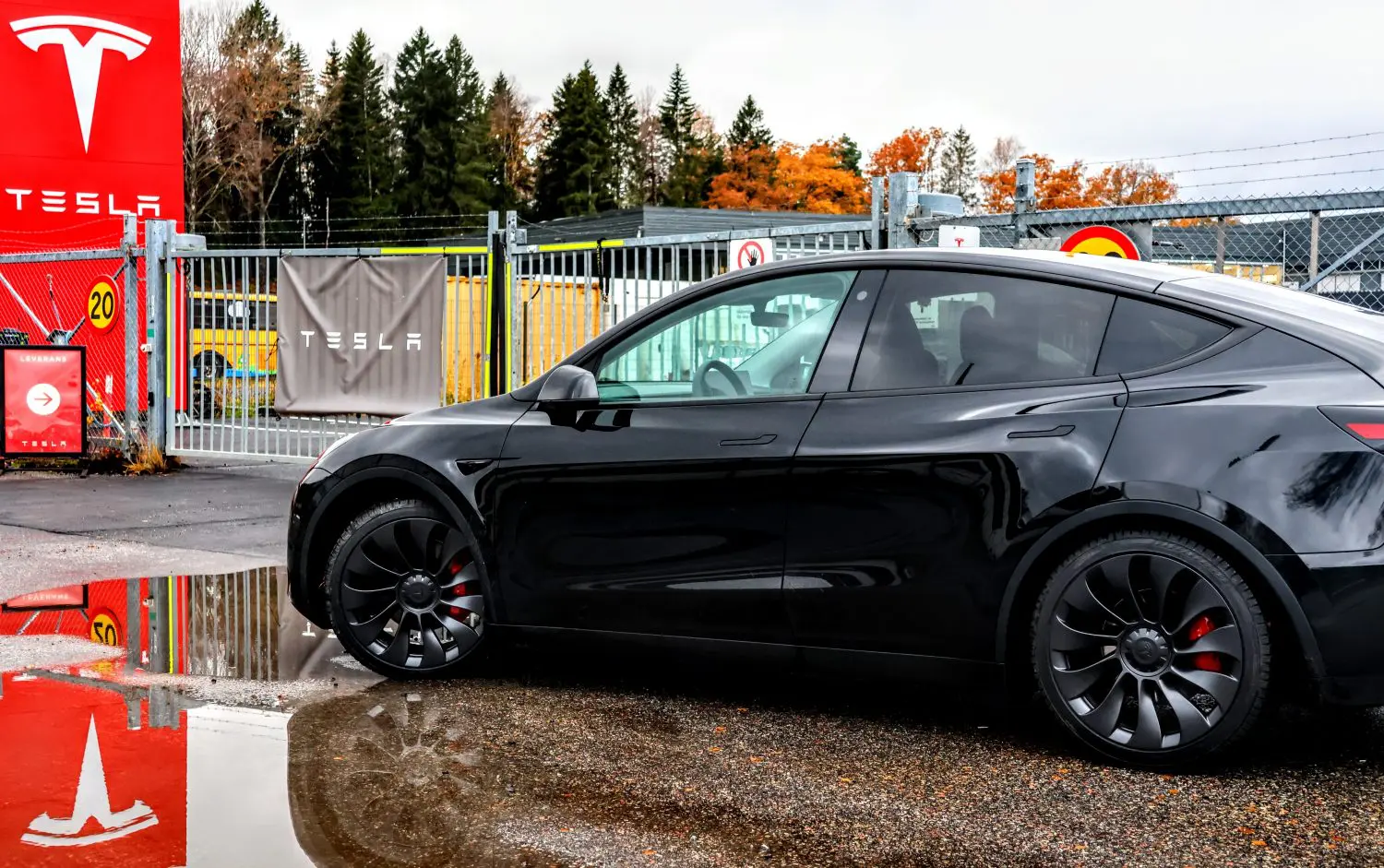
Unlike other automakers, Tesla does not partner with third-party franchisees unless otherwise forced to by state agencies; instead, it offers customers in-house retail and repair services. This not only places the entire customer experience, from purchase to maintenance, under its sole control but also allows it to identify defects early since it has proprietary access to vehicle data, technician notes, and consumer complaints. Reuters says Tesla thus knew of hundreds of similar cases concerning damaged aft-links or fore-links and power steering or suspension issues.
But rather than implementing recalls or covering repair costs, Reuters reports Tesla often opted to charge owners thousands to fix their vehicles, claiming that the failed components exhibited signs of pre-existing damage, even in cases where the cars were practically brand new. In early 2019, service centers received a memo containing a list of talking points, instructing staff members to attribute aft-link failures to prior impacts, such as “hitting a curb.” In at least one instance cited by Reuters, it appears that Tesla may have gone so far as to overrule its own technicians’ diagnoses to prevent drivers from claiming warranties.
The finger-pointing extended beyond the company’s communication with customers, however. In conversations with the National Highway Traffic Safety Administration (NHTSA), Tesla said it had not determined the existence of any defects related to the aft-link in the U.S. and suspected that cases of failures were the result of “driver abuse” and “vehicle misuse.” However, Tesla, under pressure from regulatory officials, was forced to implement a recall for near-identical issues in China, a move it has yet to replicate in North America or Europe.
Both the terms “misuse” and “abuse” also appear in the company’s warranty contract as conditions that would prevent a customer’s warranty claim from being approved.
The NHTSA is currently engaged in several probes into Tesla, including one investigating reports of fore-link failures. However, the agency has yet to express if it is aware of any negligence on the EV maker’s behalf.
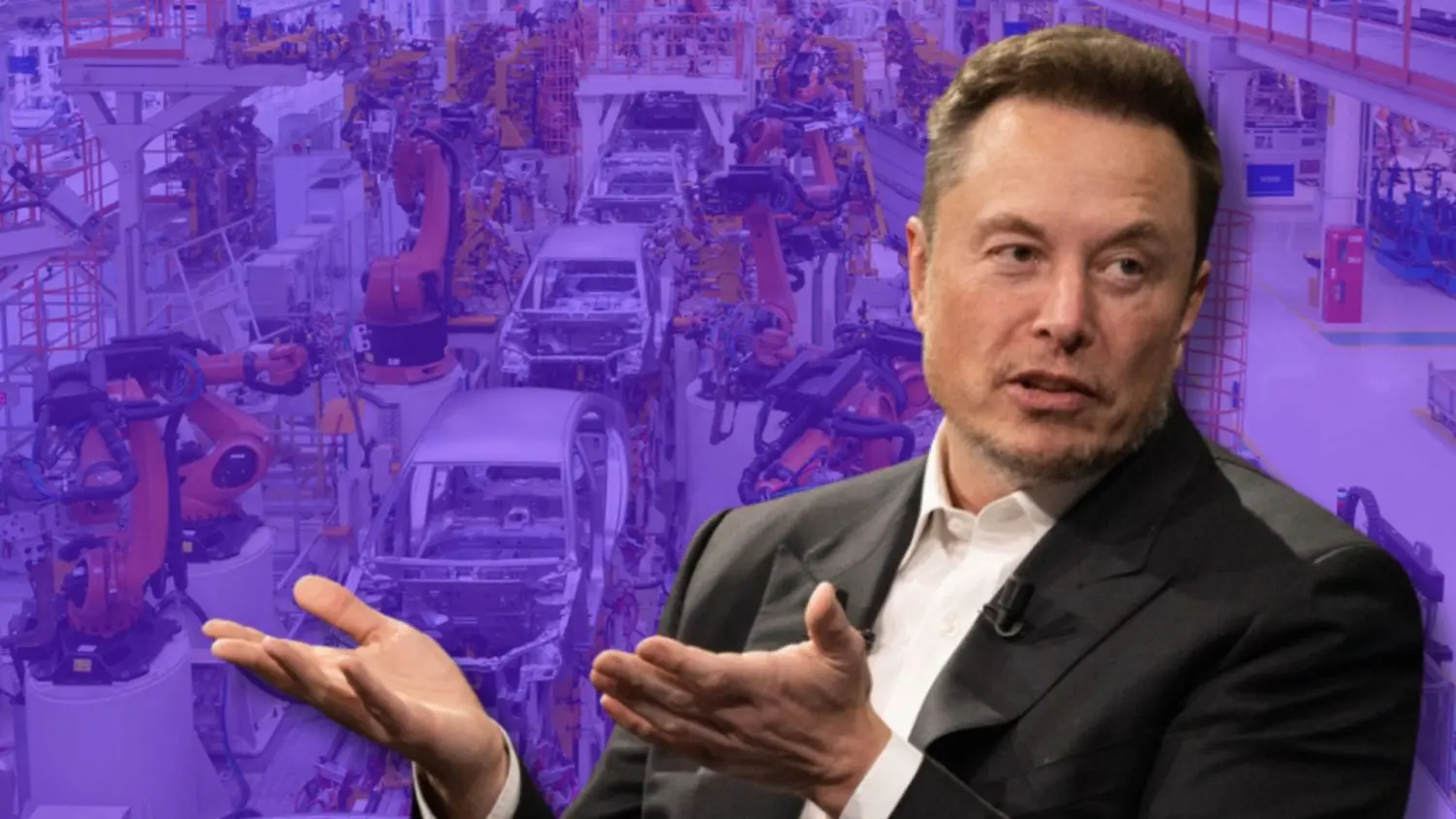
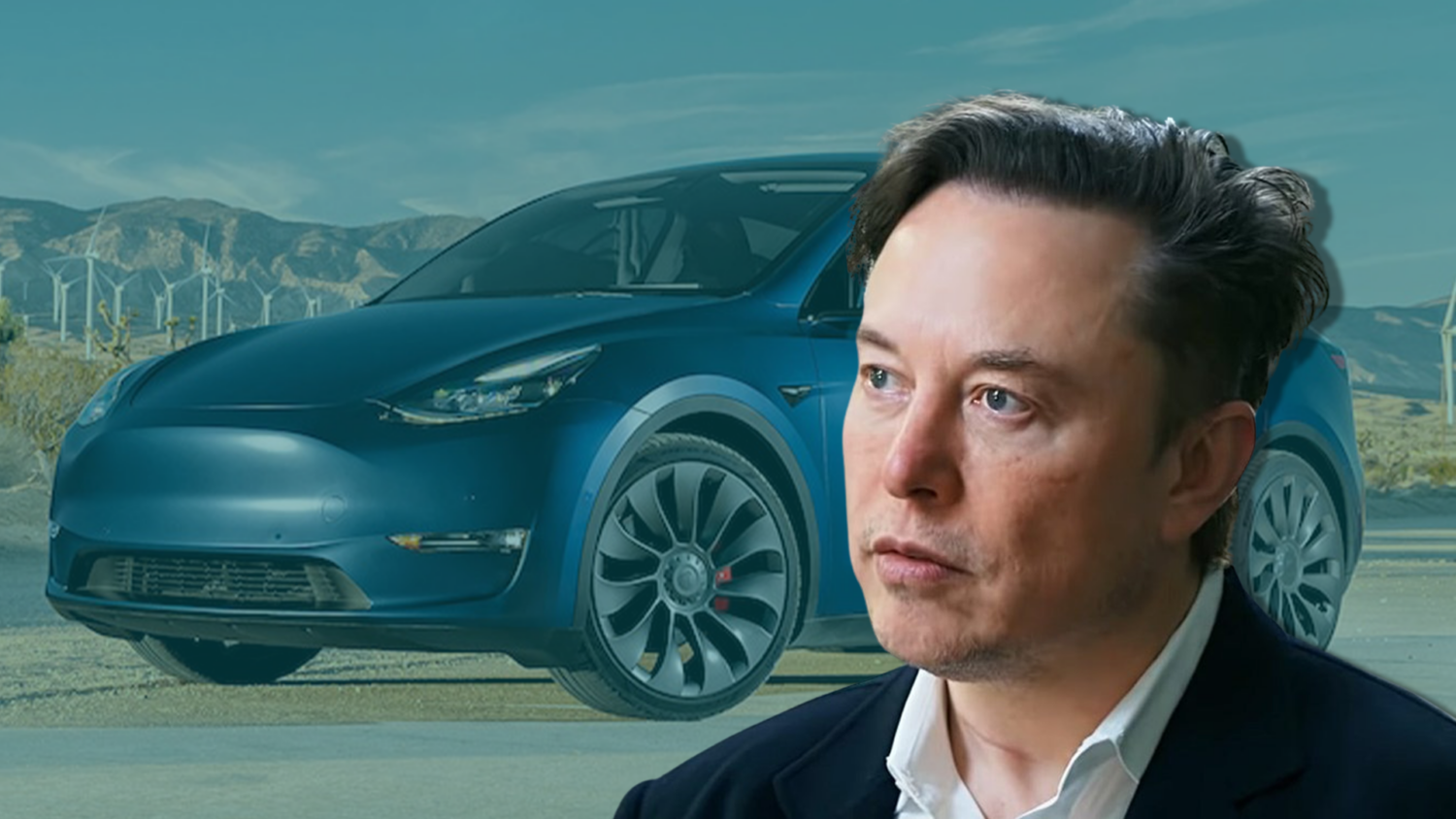
Tesla’s relationship with the NHTSA is considerably more tense than is typical for other automakers, primarily due to its outspoken CEO, Elon Musk. Earlier this year, Musk voiced his opposition to the agency after it called on the company to issue a software update patching an issue relating to its driver-assistance features. Musk’s frustrated response in this instance was fueled by his disagreement over the NHTSA’s use of the term recall. “The word ‘recall’ for an over-the-air software update is anachronistic and just flat wrong,” he wrote on his social media platform X in February, then still known as Twitter. On the other hand, the CEO’s own word choices have also resulted in inquiries from regulatory officials, such as a comment, also posted to X, promising to remove a safety feature at the behest of an annoyed customer.
Musk has also dismissed concerns over the quality and safety of Tesla’s products. Speaking at a New York Times event just over two weeks ago, the CEO proudly proclaimed, “We make the best cars,” before asking the crowd, “Whether you hate me, like me, or are indifferent, do you want the best car, or do you not want the best car?”