TSLA360.590-20.67001%
GM72.540-2.5%
F11.590-0.09%
RIVN15.4000.46%
CYD39.410-0.08%
HMC24.150-0.16%
TM207.010-2.66%
CVNA313.5481.45799%
PAG149.3400.18%
LAD251.8201%
AN197.680-0.29%
GPI329.450-1.34%
ABG194.7600.73%
SAH64.870-0.38%
TSLA360.590-20.67001%
GM72.540-2.5%
F11.590-0.09%
RIVN15.4000.46%
CYD39.410-0.08%
HMC24.150-0.16%
TM207.010-2.66%
CVNA313.5481.45799%
PAG149.3400.18%
LAD251.8201%
AN197.680-0.29%
GPI329.450-1.34%
ABG194.7600.73%
SAH64.870-0.38%
TSLA360.590-20.67001%
GM72.540-2.5%
F11.590-0.09%
RIVN15.4000.46%
CYD39.410-0.08%
HMC24.150-0.16%
TM207.010-2.66%
CVNA313.5481.45799%
PAG149.3400.18%
LAD251.8201%
AN197.680-0.29%
GPI329.450-1.34%
ABG194.7600.73%
SAH64.870-0.38%

Biden’s new EV regulations to limit China’s role in U.S. market

Congress included a provision that restricts EVs from receiving the full tax credit if a foreign entity of concern produces essential minerals or other battery components.
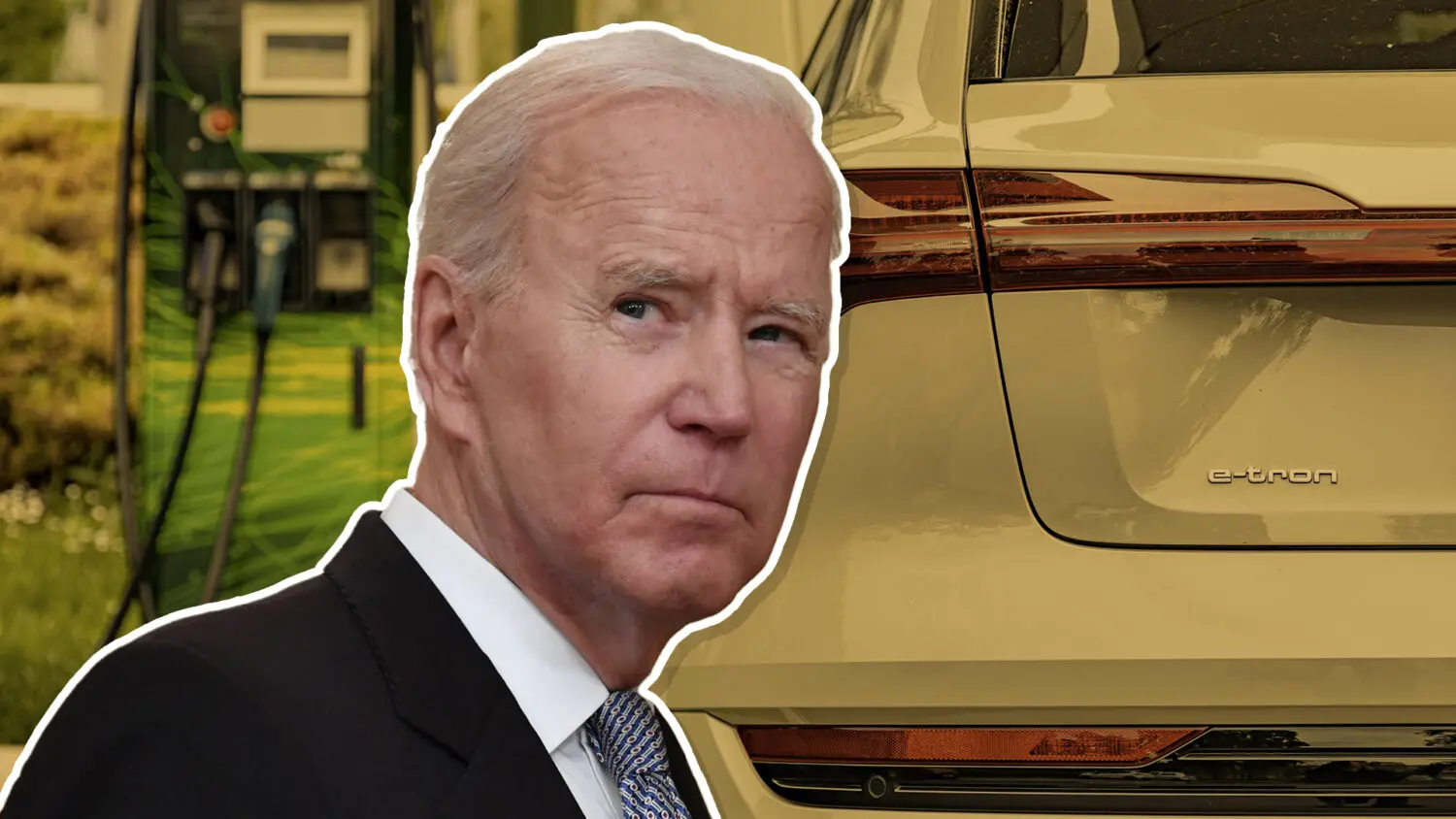
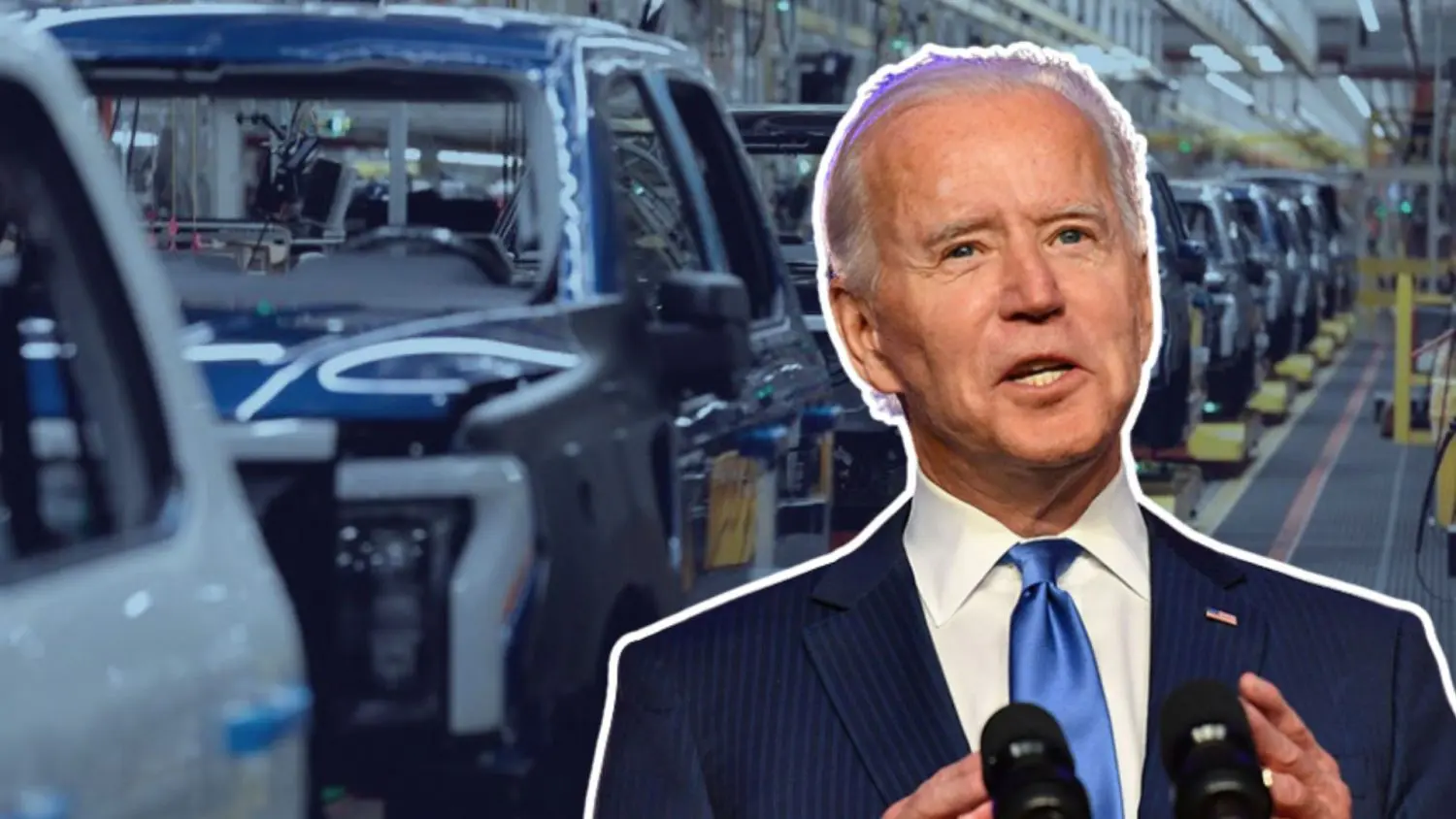
Biden released EV tax credit regulations restricting Chinese imports that could halt the U.S. from shifting away from fossil fuel

The Biden administration released electric vehicle tax credit regulations restricting Chinese imports. However, by reducing the number of vehicles that meet the $7,500 federal tax credit requirements, the regulations may impede the United States’ shift away from fossil fuels.

The much-awaited guidelines regarding tax credit eligibility symbolize the complex path the Biden administration has taken to further its aggressive climate agenda and challenge Chinese hegemony over batteries and vital minerals required to accelerate the shift to EVs. However, the proposal is set to become final in January 2024, following a 30-day public feedback period.

In the Inflation Reduction Act, Congress has included a provision that restricts EVs from receiving the full tax credit if a foreign entity of concern produces essential minerals or other battery components. The law defines “foreign entity of concern” as any business owned, controlled, or subject to the laws of North Korea, Russia, China, or Iran. The provision applies to any business from the mentioned countries, although its primary target is China.

Furthermore, the regulations prohibit a car from getting the credit if even one of its suppliers has loose ties to Beijing, such as manufacturing parts in China or controlling as little as 25% of board seats. The new rules prohibit American providers from receiving credit if they rely solely on technology licensed from China.

The move occurred months after a previous Treasury regulation on local manufacturing prevented many cars made by South Korean, Japanese, and European automakers from being eligible for the tax credit. Less than one-fifth of the more than 100 vehicles available on the market—roughly 22 electric and plug-in hybrid cars—qualify for the credit.

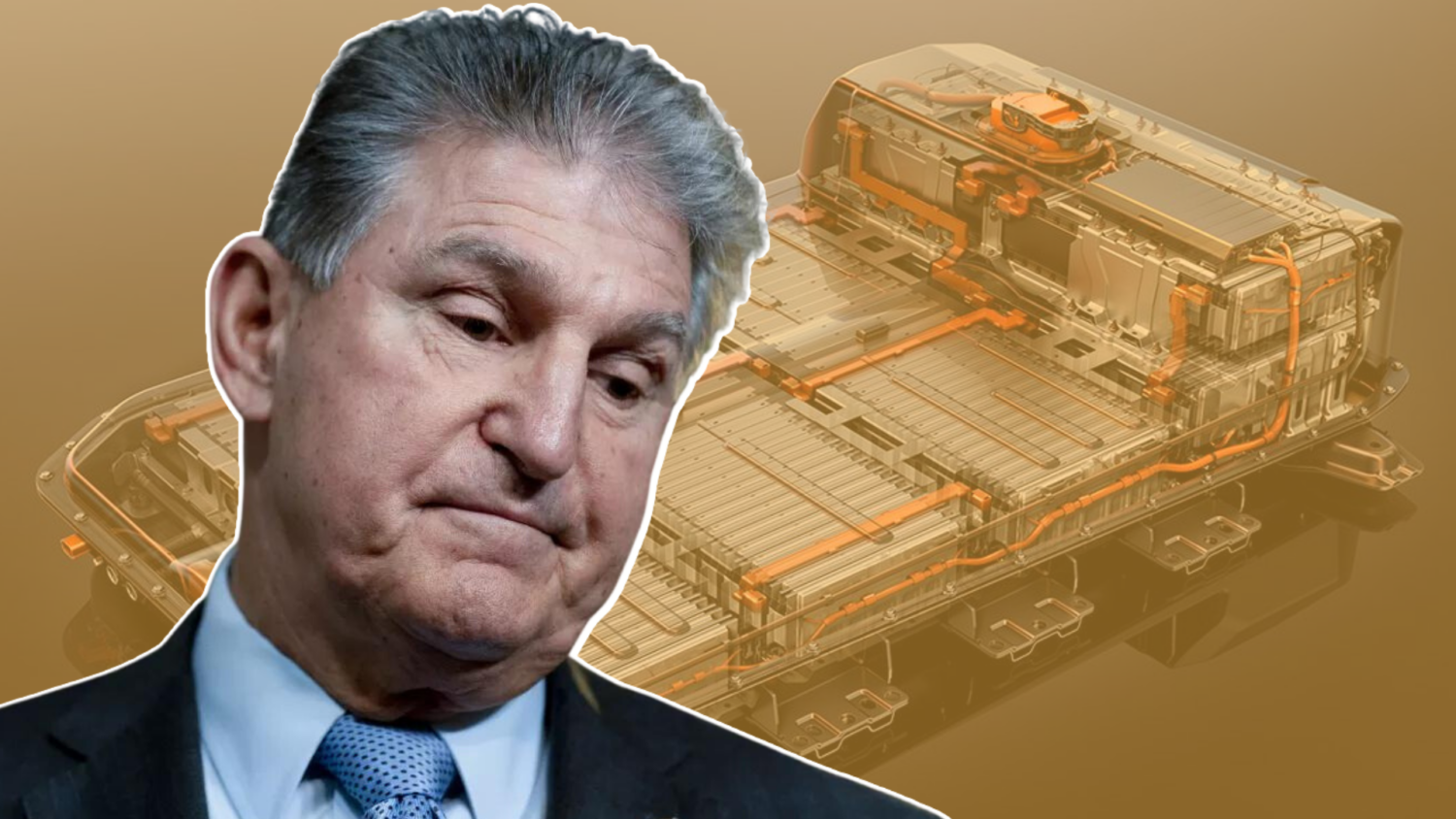
In a letter to Treasury Secretary Janet Yellen dated Nov. 13, Democratic Senator Joe Manchin stated that China “has routinely shown a blatant disregard for fair competition, unfairly leveraged state-sponsored investments, and wielded their market domination in key industries as a cudgel.” As per Manchin’s letter, China is responsible for producing almost 76% of lithium-ion battery cells, 92% of anodes, and nearly three-quarters of cathodes worldwide.

However, the dispute over Ford’s proposal to construct a plant in Michigan that would employ 1,700 people to produce batteries for both new and old EVs illustrates the intricacy of the regulations. According to Ford, the factory and its workforce would be owned by a wholly owned subsidiary. However, technology, some equipment, and labor would be supplied by CATL, a Chinese company recognized for its proficiency in lithium-iron-phosphate.
Further Reading
More from Articles
Ed Morse Automotive Group acquires Porsche Des Moines in Iowa

Ed Morse Automotive Group acquires Porsche Des Moines in Iowa

- April 3, 2026
Ed Morse Automotive Group acquired Porsche Des Moines in Iowa from Jason Pittack of the Woodhouse Auto Family in a transaction that closed April 1, 2026. The dealership will continue...
GM to invest more than $150 million in Saginaw Metal Casting Plant

GM to invest more than $150 million in Saginaw Metal Casting Plant

- April 3, 2026
General Motors announced plans to invest more than $150 million in its Saginaw Metal Casting Operations to support the production of the sixth generation of GM’s V-8 engine blocks and...
White House revises metals tariffs, shifts calculation method

White House revises metals tariffs, shifts calculation method

- April 3, 2026
On the Dash: The revised tariff structure simplifies how metals duties are calculated by applying them to consumer purchase prices and eliminating complex component-level assessments. The changes are expected to...
Stellantis explores EV production in Canada with China’s Leapmotor

Stellantis explores EV production in Canada with China’s Leapmotor

- April 3, 2026
On the Dash: Stellantis’ early-stage talks with Leapmotor highlight how global partnerships are accelerating as automakers adapt to shifting tariffs and EV demand. Uncertainty around U.S. trade policy and potential...
CBT News
Privacy Overview

This website uses cookies so that we can provide you with the best user experience possible. Cookie information is stored in your browser and performs functions such as recognising you when you return to our website and helping our team to understand which sections of the website you find most interesting and useful.