TSLA379.7104.59%
GM78.100-0.43%
F14.1100%
RIVN15.6300.77%
CYD44.820-2.38%
HMC26.8300.69%
TM171.4804.98%
CVNA62.310-3.89%
PAG182.210-1.63%
LAD292.100-4.63%
AN191.640-0.41%
GPI301.7400.92%
ABG205.1702.12%
SAH84.5101.8%
TSLA379.7104.59%
GM78.100-0.43%
F14.1100%
RIVN15.6300.77%
CYD44.820-2.38%
HMC26.8300.69%
TM171.4804.98%
CVNA62.310-3.89%
PAG182.210-1.63%
LAD292.100-4.63%
AN191.640-0.41%
GPI301.7400.92%
ABG205.1702.12%
SAH84.5101.8%
TSLA379.7104.59%
GM78.100-0.43%
F14.1100%
RIVN15.6300.77%
CYD44.820-2.38%
HMC26.8300.69%
TM171.4804.98%
CVNA62.310-3.89%
PAG182.210-1.63%
LAD292.100-4.63%
AN191.640-0.41%
GPI301.7400.92%
ABG205.1702.12%
SAH84.5101.8%

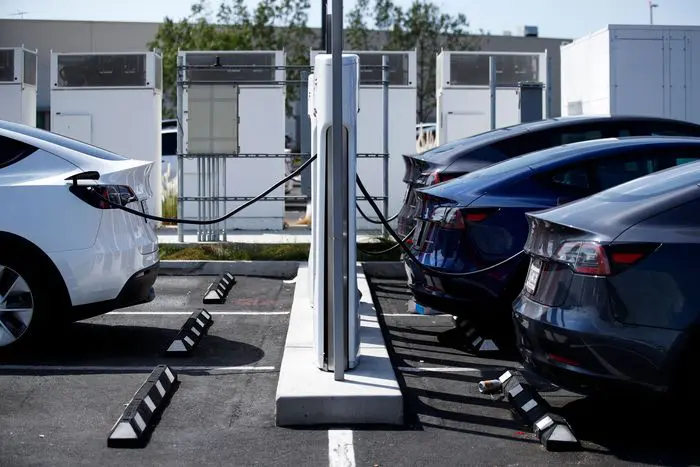
Kentucky is the first U.S. state to mandate Tesla’s charging standard

Kentucky's mandate took effect on June 30th, making it the first state to require Tesla's charging technology.
Tesla charging standard

Image Source: TeslaRATI

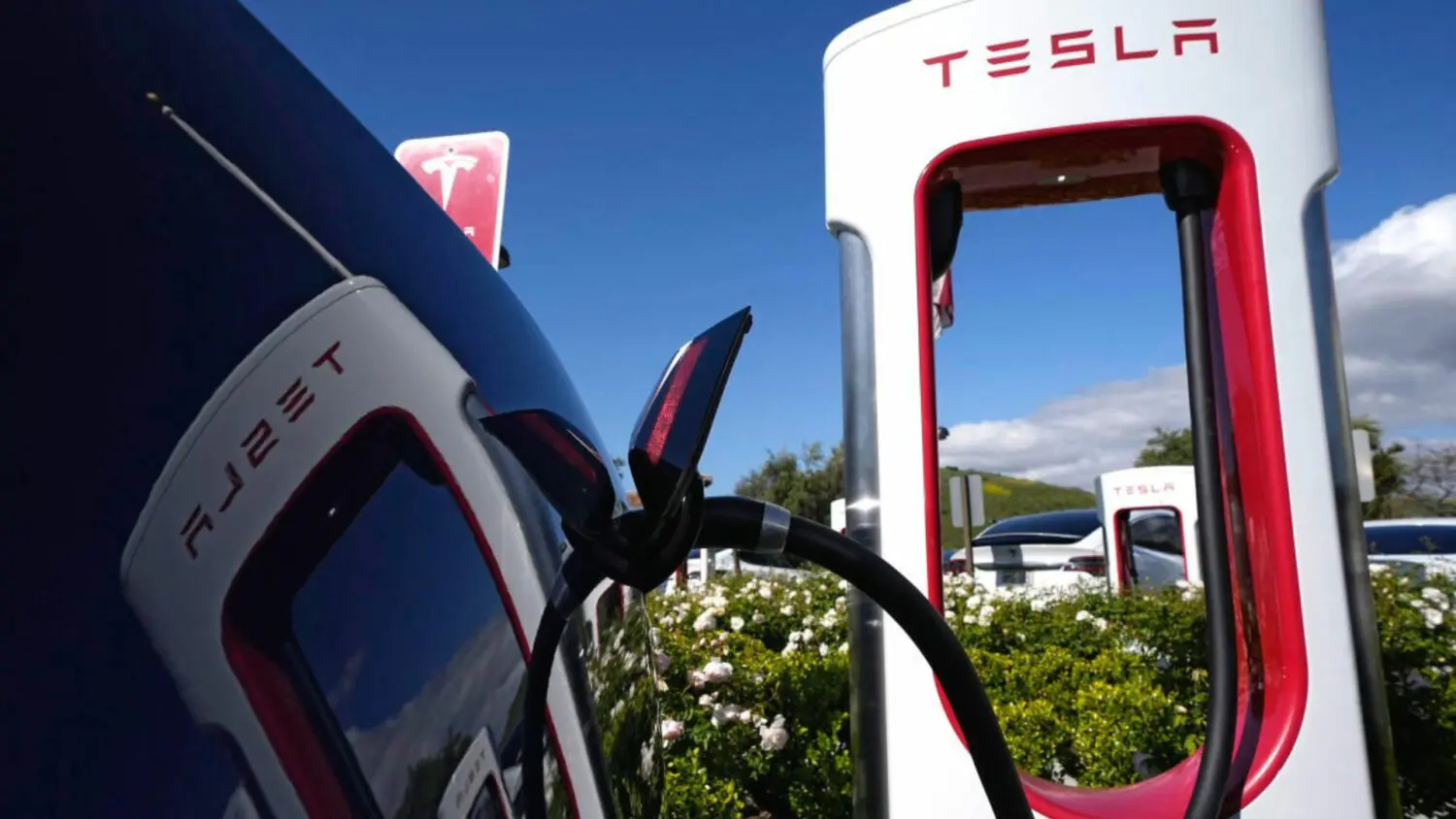
The state of Kentucky is requiring electric vehicle charging companies to include Tesla’s plug if they want to be part of a state program to electrify highways using federal dollars. 

Kentucky’s mandate took effect on June 30th, making it the first state to require Tesla’s charging technology, despite Texas and Washington’s announcement with similar plans. 

According to Kentucky’s request for proposals (RFP) for the state’s EV charging program released on June 30th, in addition to federal regulations for the competing Combined Charging System (CCS), Kentucky mandates Tesla’s plug, known as the North American Charging Standard (NACS), at charging stations.

On the other hand, Tesla, the leading American EV manufacturer, has recently won several victories for its charging technology, beginning with Ford’s decision to adopt NACS. 

However, a group of EV charger manufacturers and operators is pushing back against Texas’ plan to mandate the inclusion of Tesla’s charging technology, saying it’s “premature.”  In a letter to the Texas Transportation Commission, they stated that more time was required to adequately standardize, test, and certify the safety and interoperability of Tesla connectors across the industry.

In a letter to the Texas Transportation Commission, they stated that more time was required to adequately standardize, test, and certify the safety and interoperability of Tesla connectors across the industry.

The U.S. Department of Transportation stated earlier this year that for charging companies to be eligible for federal financing to install 500,000 EV chargers by 2030, they must offer CCS connectors.

It further stated that other connectors are permissible under the rule if the charging stations meet CCS, the national standard. In addition, states would get $5 billion from the National Electric Vehicle Infrastructure Program (NEVI).
Further Reading
More from Articles
Stellantis, Nissan in talks to buy assets of former parts supplier

Stellantis, Nissan in talks to buy assets of former parts supplier

- June 26, 2026
On the Dash: Stellantis and Nissan are in talks to buy assets from bankrupt supplier Marelli, Bloomberg reports. Stellantis wants Marelli's suspension business; Nissan eyes cockpit assets in Japan. Marelli...
CarGurus to require fee disclosure for used vehicle listings beginning July 14

CarGurus to require fee disclosure for used vehicle listings beginning July 14

- June 26, 2026
On the Dash: Dealers should disclose all applicable fees on used vehicle listings before July 14 to avoid lower search visibility. CarGurus will soon calculate its IMV and Deal Ratings...
Volkswagen weighs cutting up to 100,000 jobs, closing four German plants

Volkswagen weighs cutting up to 100,000 jobs, closing four German plants

- June 26, 2026
On the Dash: Volkswagen may cut up to 100,000 jobs, doubling a previously announced reduction target. The automaker is considering closing four German plants, including facilities in Hanover, Zwickau, Emden...
Affordability alert: The car you could afford in 2019 costs $11,000 more today.

Dealers face affordability squeeze as entry-level vehicles disappear, report finds

- June 26, 2026
On the Dash: Dealers face affordability crunch as entry-level vehicles disappear Affordability concerns rise as new-vehicle prices have increased by more than $11,000 since 2019. Budget cars are nearly gone,...